
Beautiful Plants For Your Interior
Beautiful Plants For Your Interior
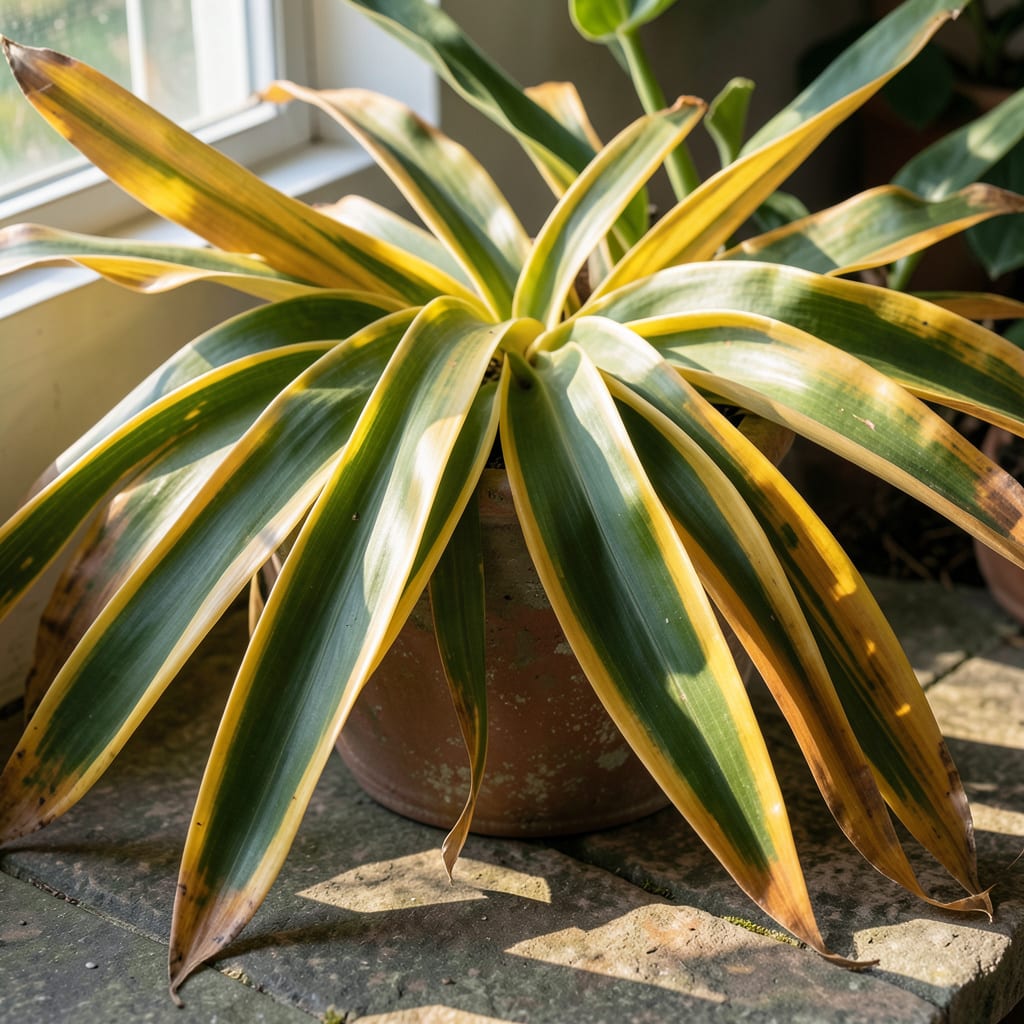
Yellow leaves on your cordyline aren’t just unsightly—they’re a cry for help. I’ve seen this happen to mine after heavy rain seasons, and it always traces back to one of two culprits: too much water or not enough nutrients.
Overwatering suffocates roots, while nitrogen deficiency shows up as pale yellow lower leaves. Both are fixable, but you need to act fast before the damage spreads to healthy growth.
Once you identify the cause, recovery starts within 2-3 weeks. The plant bounces back with deeper green foliage and stronger stems once conditions improve.
Works for potted cordylines, garden specimens, and even indoor plants. Let’s diagnose and treat this properly.
Cordyline leaves turn yellow due to several underlying stressors, each disrupting the plant’s normal physiology. Here’s a breakdown of the most common causes:
Excess moisture suffocates the roots, reducing oxygen uptake and leading to root rot. Fungi like Phytophthora thrive in soggy soil, damaging root tissues and impairing nutrient transport. As roots die, the plant can’t absorb water or minerals, causing chlorophyll breakdown and yellowing leaves (chlorosis).
Yellowing often signals a lack of nitrogen (uniform pale yellow) or magnesium (interveinal yellowing on older leaves). Nitrogen is vital for chlorophyll production, while magnesium is the central atom in the chlorophyll molecule. Iron deficiency also causes chlorosis in new growth, as it’s essential for enzyme function in chlorophyll synthesis.
Extreme temperatures (below 50°F/10°C or above 90°F/32°C) disrupt metabolic processes. Cold shock slows enzyme activity, while heat stress accelerates water loss, leading to oxidative damage in leaves. Sudden light changes (e.g., too much direct sun) can also bleach chlorophyll, turning leaves yellow.
Sap-sucking pests like spider mites or mealybugs drain the plant’s fluids, reducing nutrient availability. Their feeding also introduces toxins that disrupt cellular function, while honeydew (a sticky byproduct) can foster sooty mold, further blocking photosynthesis.
Lower leaves yellow and drop as part of the plant’s life cycle. This is normal if only older foliage is affected and new growth remains vibrant. The plant reallocates resources to younger, more efficient leaves.
If your cordyline’s leaves are losing their vibrant color, don’t panic—most causes are fixable with a few adjustments. Below are targeted solutions for the most common issues, paired with prevention tips to keep your plant thriving long-term.
Let the top 1-2 inches of soil dry out between waterings. If the pot lacks drainage, repot immediately using a well-draining mix (e.g., 50% potting soil, 50% perlite or sand). Trim any black, mushy roots to prevent rot.
Move your cordyline to a spot with bright, indirect light or dappled shade, especially during peak afternoon sun. Yellow leaves from sunburn won’t recover, so trim them to redirect energy to healthy growth.
Use a balanced, water-soluble fertilizer (e.g., 10-10-10) every 4-6 weeks during the growing season (spring to fall). For magnesium deficiency (yellowing between leaf veins), apply Epsom salt (1 tbsp per gallon of water) monthly.
Keep cordylines in temperatures between 65–85°F (18–29°C). If cold drafts or heat waves are the culprit, move the plant indoors or to a sheltered area. Yellow leaves from temperature stress won’t regain color, so prune them to encourage new growth.
For pests like spider mites or mealybugs, wipe leaves with neem oil or insecticidal soap weekly until gone. For fungal issues (e.g., leaf spot), remove affected leaves and apply a copper-based fungicide. Isolate the plant to prevent spreading.
Water when the top 1-2 inches of soil feel dry. Overwatering is a common cause of yellowing, so ensure the pot has drainage holes. In hot weather, this may mean watering every 5-7 days.
Unfortunately, no. Once leaves yellow due to stress or damage, they won’t regain their color. Remove them to redirect the plant’s energy to healthy growth. New leaves will replace them in 2-3 weeks with proper care.
Use a balanced, water-soluble fertilizer like 10-10-10 every 4-6 weeks during the growing season. For magnesium deficiencies, add Epsom salt monthly. Avoid over-fertilizing to prevent root burn.
This is often natural aging. Cordylines shed older leaves to focus resources on new growth. If new leaves also yellow, suspect nutrient deficiency or overwatering instead.
