
Beautiful Plants For Your Interior
Beautiful Plants For Your Interior
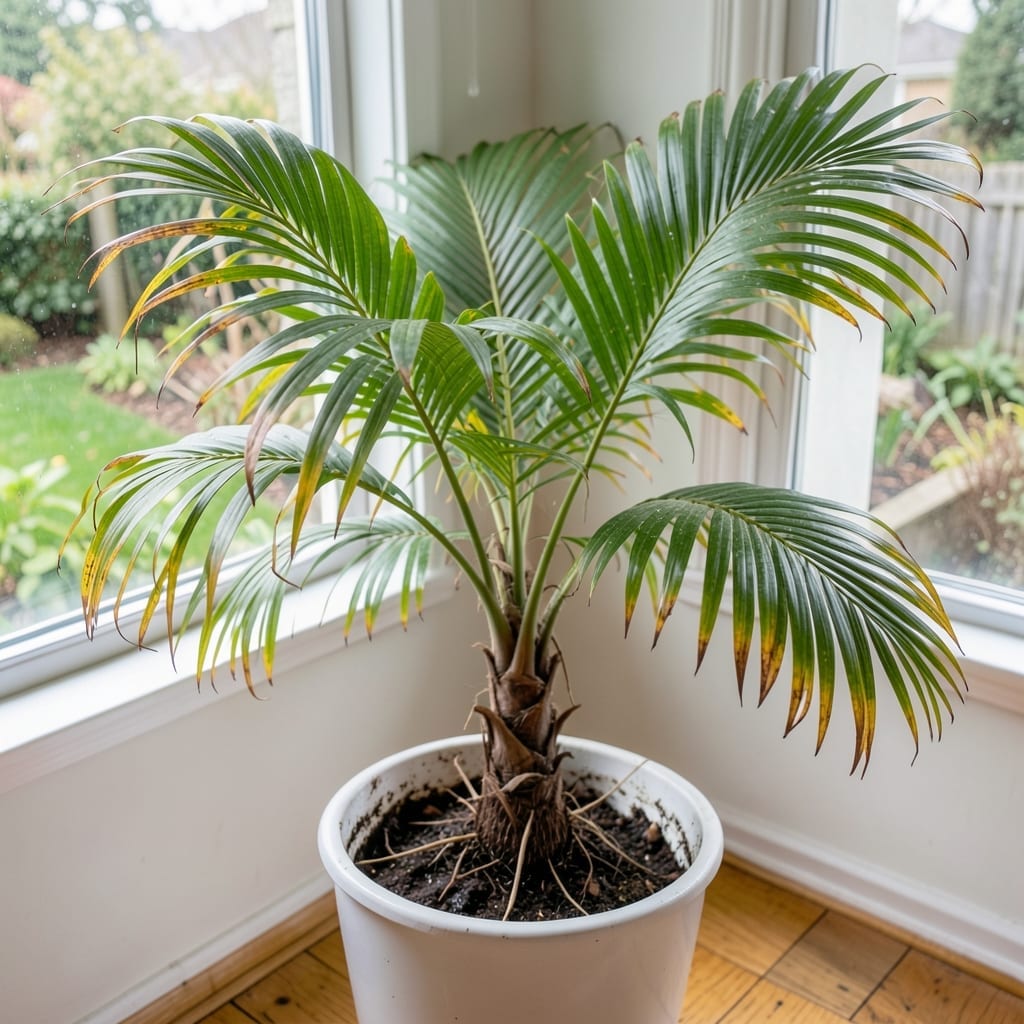
Yellow leaves and mushy stems on your areca palm mean trouble. I’ve saved dozens of these tropical beauties from the brink by fixing one critical mistake: too much water sitting at the roots.
The solution starts with better drainage—whether that means repotting with fresh mix, adding perlite, or just letting the soil dry out between waterings. Most people don’t realize these palms hate wet feet more than drought.
Within 2-3 weeks of correcting the issue, you’ll see new growth emerging from the center. The fronds perk up, the yellowing stops, and that lush tropical look returns.
Works for any size areca, from tabletop plants to floor specimens. Here’s exactly how to diagnose and fix it.
The areca palm (Dypsis lutescens) thrives in balanced moisture, but overwatering disrupts its natural rhythm. Understanding the root causes helps prevent this common issue.
Most overwatering stems from human error—simply giving the plant too much water, too often. Areca palms prefer their soil to dry slightly between waterings. When the top 1-2 inches of soil are still damp, adding more water suffocates the roots, preventing oxygen uptake and leading to root rot.
A pot without drainage holes traps excess water, creating a stagnant, oxygen-depleted environment. Even with drainage, compacted soil or incorrect potting mix (e.g., dense garden soil) can block water flow, drowning the roots. Always use a well-draining mix with perlite or orchid bark.
Areca palms in low-light conditions or high-humidity environments (like bathrooms) use water more slowly. If the plant’s evaporation rate drops but watering remains frequent, the soil stays soggy. Adjust watering to match the plant’s reduced needs in these settings.
Potting an areca palm in a container too large for its root system increases the risk of overwatering. Excess soil retains moisture longer, keeping roots wet. Choose a pot only 1-2 inches wider than the root ball to ensure proper moisture balance.
Here’s how to nurse your areca palm back to health with simple, targeted fixes for each overwatering symptom.
If the fronds are turning yellow, it’s a classic sign of too much water. Stop watering immediately and let the top 2-3 inches of soil dry out completely before watering again. Check moisture with your finger—only water when the soil feels dry. Prevention tip: 💡 Use a moisture meter to avoid guesswork.
Mushy, dark roots mean rot has set in. Gently remove the palm from its pot, trim away all black or soft roots with sterilized scissors, and repot in fresh, well-draining soil. Choose a pot with drainage holes to prevent future issues. Prevention tip: ✨ Add perlite or sand to the soil mix for better drainage.
Wilting despite wet soil? The roots are drowning. Empty the saucer under the pot to stop waterlogging, and ensure the pot has drainage holes. If the soil stays soggy, repot into a lighter mix. Prevention tip: 🌡️ Elevate the pot on a stand to allow excess water to flow away.
If leaves are falling, increase air circulation around the plant. Move it to a breezier spot or use a small fan on low. Avoid misting until the plant recovers. Prevention tip: 🎯 Group plants loosely to encourage airflow without overcrowding.
With these fixes, your areca palm should bounce back in 2-4 weeks. Stick to a consistent care routine to keep it thriving!
Water when the top 2-3 inches of soil feel dry. In most homes, this means watering every 7-10 days. Always check soil moisture first to avoid overwatering.
Yellowing fronds, especially lower leaves, are the first red flag. Mushy stems or soil that stays wet for days also signal trouble. Act fast to prevent root rot.
Yes! With proper care, most palms bounce back in 2-4 weeks. Stop watering, improve drainage, and trim rotten roots if needed. New growth confirms recovery.
Only if root rot is present or drainage is poor. Use fresh, well-draining soil and a pot with drainage holes. This gives roots a fresh start.