
Beautiful Plants For Your Interior
Beautiful Plants For Your Interior
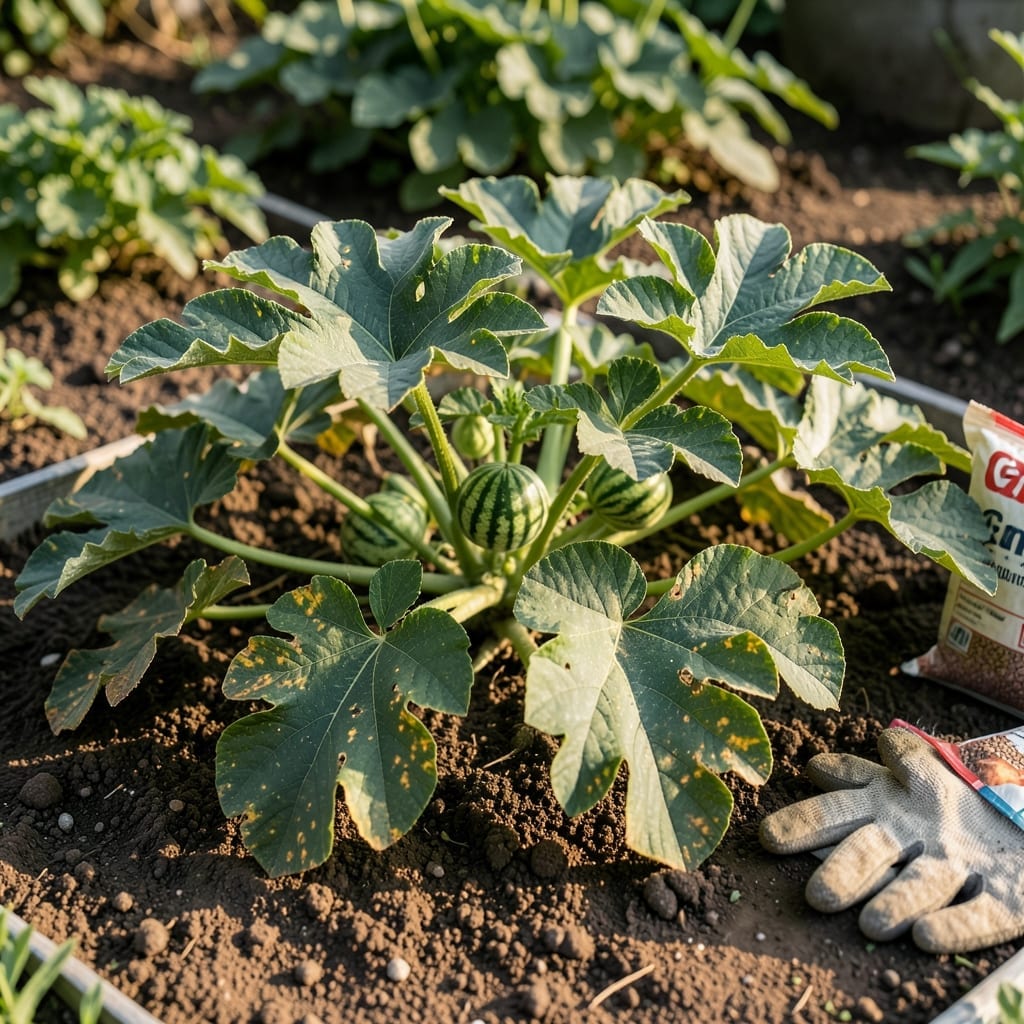
Yellowing leaves on your watermelon vines mean trouble. 🌱 I’ve seen nitrogen deficiency turn thriving plants into stunted, pale shadows overnight—first the lower leaves, then the whole plant struggles.
The culprit is usually poor soil or overwatering washing nutrients away. Your plants are starving for nitrogen, the fuel they need for leafy growth. Without it, they can’t produce the vigorous vines that carry fruit.
Here’s the thing—this is 100% fixable. A balanced fertilizer or compost tea can turn things around in a week. I saved last year’s crop with a simple soil test and targeted amendment.
Prevention is easier than cure. Test your soil before planting and side-dress with nitrogen-rich organic matter. Your watermelons will thank you with strong growth and sweet rewards.
Nitrogen deficiency in watermelon plants often stems from a few key issues in soil health or cultural practices. Below are the most common causes, explained with actionable insights to help you diagnose and correct the problem.
Watermelons are heavy feeders, requiring ample nitrogen (N) for lush foliage and vigorous growth. If your soil is naturally low in organic matter or has been depleted by previous crops, the plant may struggle to access enough nitrogen. Sandy soils, in particular, drain nutrients quickly, leaving watermelon roots “starving.” A soil test is the best way to confirm deficiencies—aim for a nitrogen level of 20–60 ppm for optimal growth.
Excess water can leach nitrogen out of the root zone before plants absorb it. Watermelons prefer consistent moisture but dislike soggy conditions. If your garden has poor drainage or you’re overwatering, nitrogen (especially nitrate, NO₃⁻) can wash away, leading to deficiency symptoms like pale leaves and slow growth. Solution: Use raised beds or amend soil with compost to improve structure and retention.
During the vegetative stage, watermelons demand a surge of nitrogen to support leaf and vine development. If you don’t replenish nitrogen as the plant grows—whether through fertilizers (e.g., 10-10-10 or blood meal) or organic amendments (compost, manure)—the supply can run out. Side-dressing with a nitrogen-rich fertilizer every 3–4 weeks can prevent this gap.
Weeds and even some companion plants (like corn) compete aggressively for soil nitrogen. If your watermelon patch is crowded, these interlopers may absorb the lion’s share of available nitrogen, leaving your melons deficient. Action step: Keep the area weed-free and avoid planting nitrogen-hungry crops nearby.
Nitrogen deficiency in watermelons can be reversed with targeted care. Below are practical fixes mapped to common causes, plus prevention tips to keep your plants thriving.
Apply a balanced fertilizer (e.g., 10-10-10) or a high-nitrogen option like blood meal or fish emulsion. For quick results, use a liquid fertilizer and water it into the soil. Avoid over-fertilizing, as this can burn roots.
Prevention tip: 💡 Test soil before planting. Amend with compost or aged manure to ensure adequate nitrogen levels from the start.
If growth is slow, side-dress plants with compost or a nitrogen-rich organic fertilizer. Work it gently into the top inch of soil, 6–12 inches from the plant base. Water deeply afterward to help nutrients reach the roots.
Prevention tip: 🌡️ Rotate crops yearly to prevent soil depletion. Watermelons are heavy feeders, so avoid planting them in the same spot consecutively.
For a fast nitrogen boost, use a foliar spray (e.g., diluted fish emulsion or seaweed extract). Spray leaves early in the morning or late afternoon to avoid sunburn. Repeat every 7–10 days until color improves.
Prevention tip: ✨ Mulch with grass clippings or straw to retain moisture and slowly release nitrogen as it decomposes.
Nitrogen leaches out in soggy soil. If drainage is poor, reduce watering frequency and ensure beds have proper drainage. Raised beds or sandy loam soil can help prevent waterlogging.
Prevention tip: 🎯 Use drip irrigation to deliver water directly to roots, minimizing nutrient runoff.
Yellow lower leaves often signal a lack of nitrogen, as the plant pulls nutrients from older growth to feed new vines. Check for pale green or yellowing starting at the base.
With liquid fertilizers or foliar sprays, you may see improvement in 7-10 days. Granular options take 2-3 weeks to show results as they break down slowly.
Yes, coffee grounds add nitrogen as they decompose. Mix 1 cup into soil around each plant, but avoid overdoing it—too much can acidify the soil.
Excess water washes nitrate (a mobile nitrogen form) below the root zone. Sandy soils are especially prone to this leaching.