
Beautiful Plants For Your Interior
Beautiful Plants For Your Interior
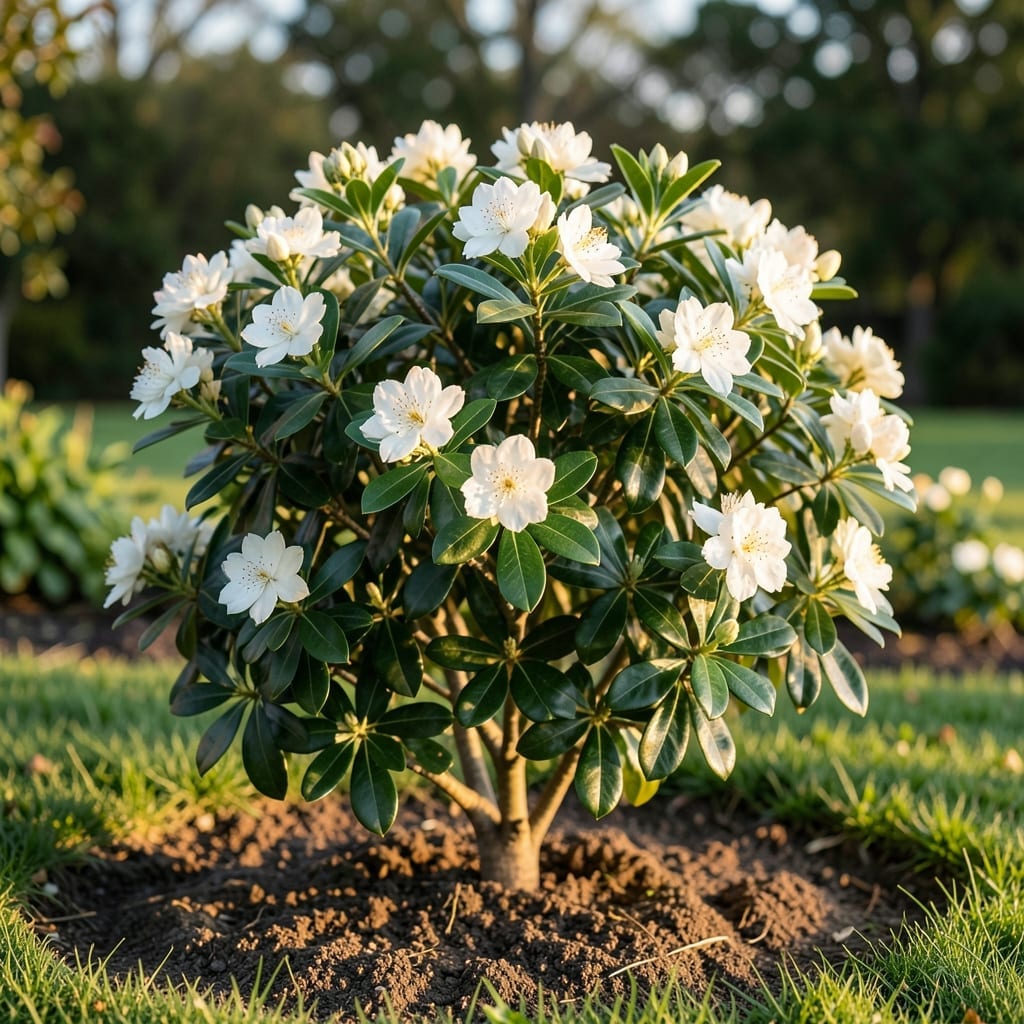
Brown leaves on your mock orange shrub signal something’s off, but it’s fixable. I’ve nursed plenty back to health by addressing the root cause rather than just the symptoms.
Usually, it’s one of three culprits: too little water, fungal issues, or pests hiding under the leaves. Each leaves a distinct mark—dry edges from drought, spotted patterns from disease, or chewed-up foliage from bugs.
Once you identify the problem, solutions are straightforward: adjust watering, apply fungicide, or treat for pests. Most shrubs bounce back within 2-3 weeks of consistent care.
Prevention is simpler than cure. Regular checks, proper spacing, and seasonal maintenance keep your mock orange thriving with vibrant green leaves all year.
Mock orange leaves turning brown can stem from several environmental or care-related factors. Below are the most common causes, explained with actionable insights.
Mock orange (Philadelphus spp.) thrives in moderate climates. Excessive heat or prolonged drought disrupts water uptake, causing leaves to scorch and brown at the edges. The plant’s vascular system struggles to supply water to foliage, leading to necrosis (tissue death). Ensure consistent moisture, especially in summer, and mulch the base to retain soil hydration.
While drought is a problem, soggy soil is equally damaging. Root rot from waterlogged conditions prevents oxygen uptake, starving the plant. Symptoms include yellowing leaves that turn brown and crisp. Check drainage by digging near the roots—if the soil smells foul or feels spongy, reduce watering and amend the soil with sand or compost.
Fungi like Cercospora or Alternaria thrive in humid conditions, causing brown spots with halos on leaves. These pathogens spread via spores, often after overhead watering or crowded plantings. Remove infected foliage immediately, improve air circulation, and apply a copper-based fungicide as a preventive measure.
Mock oranges prefer slightly acidic to neutral soil (pH 6.0–7.5). Alkaline soil can lock out essential nutrients like iron, leading to interveinal chlorosis (yellowing between veins) that progresses to brown patches. Test soil pH and amend with sulfur or iron chelates if levels are off. A balanced fertilizer (10-10-10) can also correct deficiencies.
Sap-sucking pests like spider mites or aphids weaken the plant by draining fluids, causing stippled brown spots. Inspect leaf undersides for webbing or sticky residue (honeydew). Blast pests off with water or treat with neem oil for organic control.
Mock orange leaves turning brown can often be fixed with targeted care. Below are practical solutions mapped to common causes, along with prevention tips to keep your plant thriving.
If dry soil is the culprit, water deeply at the base of the plant (1–2 inches per week). Use mulch to retain moisture. Prevention tip: Check soil moisture 2 inches down—if dry, it’s time to water. 💡 Pro tip: Water in the early morning to reduce evaporation.
Soggy roots lead to brown leaves. Stop watering until the top 2 inches of soil dry out. Repot in well-draining soil if needed. Prevention tip: Use pots with drainage holes and a mix of compost + perlite. ✨ Pro tip: Stick to a schedule—overwatering is worse than underwatering!
Scorched leaves? Move the plant to partial shade (especially in hot afternoons). Use shade cloth if needed. Prevention tip: Acclimate plants gradually to full sun. 🎯 Pro tip: Young mock oranges are more sensitive—start them in dappled light.
Brown spots with yellow halos? Remove infected leaves and apply a copper-based fungicide. Space plants for airflow. Prevention tip: Avoid overhead watering. 🌡️ Pro tip: Water at soil level to keep foliage dry.
Yellowing + brown edges? Use a balanced fertilizer (10-10-10) every 4–6 weeks in growing season. Prevention tip: Test soil pH—mock oranges prefer slightly acidic to neutral (6.0–7.0). ✨ Pro tip: Over-fertilizing can burn roots—stick to the recommended dose!
Not always—dry, crispy edges often mean underwatering or heat stress. Check soil moisture first before assuming it’s a fungal issue.
Water deeply 1-2 times per week, ensuring the top 2 inches of soil stay moist but not soggy. Adjust in extreme heat.
Yes, but act fast. Prune infected leaves, treat with neem oil, and isolate if pests spread. Most recover in 2-3 weeks.
Too much water can suffocate roots. Let soil dry slightly between waterings to prevent rot. Improve drainage with compost.