
Beautiful Plants For Your Interior
Beautiful Plants For Your Interior
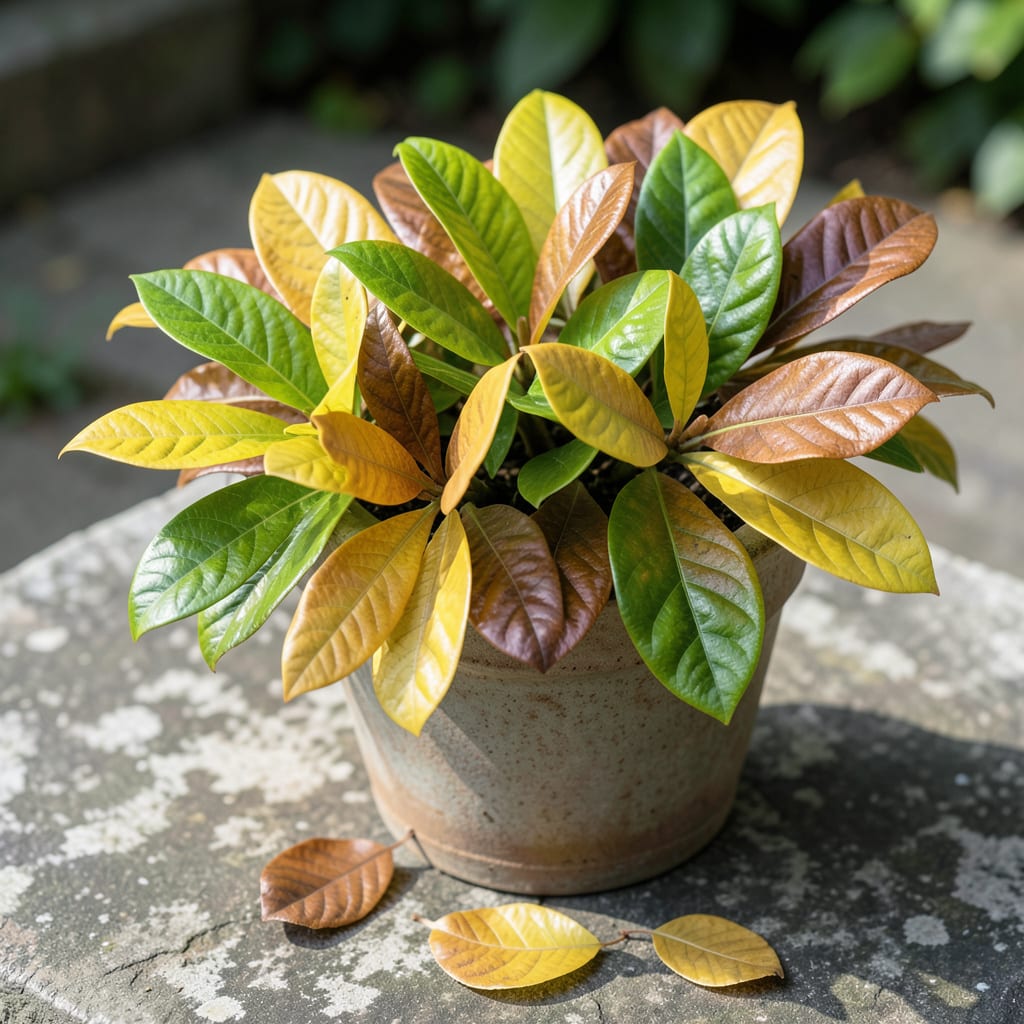
My gardenia’s sad yellow leaves used to leave me stumped. 🌿 Turns out, it’s rarely just one issue—usually a mix of watering mishaps and hungry soil working against that glossy green you want.
I’ve killed my share by overwatering (root rot) and underwatering (crispy edges). The leaves don’t lie: yellow means too much water, brown tips scream for humidity or nutrients. It’s a delicate balance.
Once you nail the moisture and feeding routine, new growth comes in vibrant green. I rescued mine in 2 weeks with a pH-balanced fertilizer and consistent watering schedule.
This works for potted or in-ground gardenias. The key is observing patterns, not just symptoms.
Gardenia leaves turning yellow and brown are often a sign of underlying stress. Below are the most common causes, explained scientifically and with actionable insights.
Excess water suffocates the roots, reducing oxygen uptake and promoting Phytophthora or Pythium root rot. This blocks nutrient transport, leading to chlorosis (yellowing) and necrosis (browning). Fix: Ensure pots have drainage holes and use well-draining, acidic soil (pH 5.0–6.0). Water only when the top inch of soil is dry.
Gardenia is a heavy feeder. Yellowing between leaf veins (interveinal chlorosis) often signals iron or magnesium deficiency, common in alkaline soils. Brown spots may indicate potassium or manganese shortages. Fix: Apply chelated iron, Epsom salt (for magnesium), or a balanced acid-loving plant fertilizer (e.g., 10-10-10 with micronutrients).
Sudden temperature swings, drafts, or low humidity (below 50%) can trigger leaf discoloration. Gardenias thrive in 65–75°F (18–24°C) with indirect light. Direct sun scalds leaves, causing brown patches, while low light leads to uniform yellowing. Fix: Move plants to stable conditions, mist leaves, or use a humidifier.
Sap-sucking pests like spider mites, scale, or whiteflies drain nutrients, causing stippling (tiny yellow spots) that turn brown. Fix: Wipe leaves with neem oil or insecticidal soap weekly until pests are gone.
Cercospora or Alternaria fungi create circular brown spots with yellow halos, while bacterial leaf spot causes water-soaked lesions. Fix: Remove infected leaves, improve airflow, and apply copper fungicide preventatively.
Restoring your gardenia’s lush green foliage starts with pinpointing the issue and taking targeted action. Below are the most common causes with practical fixes to revive your plant.
Fix: Let the top 1-2 inches of soil dry out before watering again. Repot the plant in fresh, well-draining soil (mix in perlite or sand) and ensure the pot has drainage holes. Trim any mushy, black roots to prevent rot.
Prevention: Use a moisture meter or the finger test to check soil dampness. Water only when the soil feels dry to the touch. 💡 Pro Tip: Elevate pots to avoid waterlogging.
Fix: Water deeply until it drains from the bottom, then let excess drain. Mist leaves daily or place a humidity tray nearby. For severe dryness, soak the pot in water for 10 minutes to rehydrate the root ball.
Prevention: Group gardenias with other plants to raise humidity naturally. Mulch the soil to retain moisture.
Fix: Apply a balanced, acid-loving plant fertilizer (e.g., 10-10-10 or 30-10-10) every 4-6 weeks during growing season. For iron deficiency (yellow leaves with green veins), use chelated iron or sulfur to lower soil pH to 5.0–6.0.
Prevention: Test soil pH annually. Amend with compost or pine bark fines to maintain acidity. ✨ Pro Tip: Avoid over-fertilizing—it can burn roots.
Fix: Move gardenias to bright, indirect light (east- or north-facing windows). If leaves scorch, filter sunlight with a sheer curtain. For leggy growth, supplement with grow lights for 12–14 hours daily.
Prevention: Rotate the pot quarterly to ensure even light exposure. Avoid drafty windows or heat sources.
Fix: Wipe leaves with a neem oil solution or insecticidal soap to remove spider mites, aphids, or scale. For severe cases, use horticultural oil or introduce beneficial insects like ladybugs.
Prevention: Inspect leaves weekly, especially undersides. Keep the area clean and free of debris where pests hide.
Low humidity or inconsistent watering often causes brown leaf tips. Gardenias need 50-60% humidity and evenly moist soil. Try misting daily or using a pebble tray with water.
Unfortunately, once leaves turn yellow, they won’t recover. Remove them and address the underlying issue (water, nutrients, or light) to support new healthy growth.
Feed with an acid-loving plant fertilizer every 4-6 weeks during spring and summer. Reduce to every 8-10 weeks in fall and winter. Avoid over-fertilizing to prevent root burn.
This is classic iron deficiency, common in alkaline soil. Use chelated iron or sulfur to lower soil pH to 5.0–6.0. Results appear within 2-3 weeks of treatment.
