
Beautiful Plants For Your Interior
Beautiful Plants For Your Interior
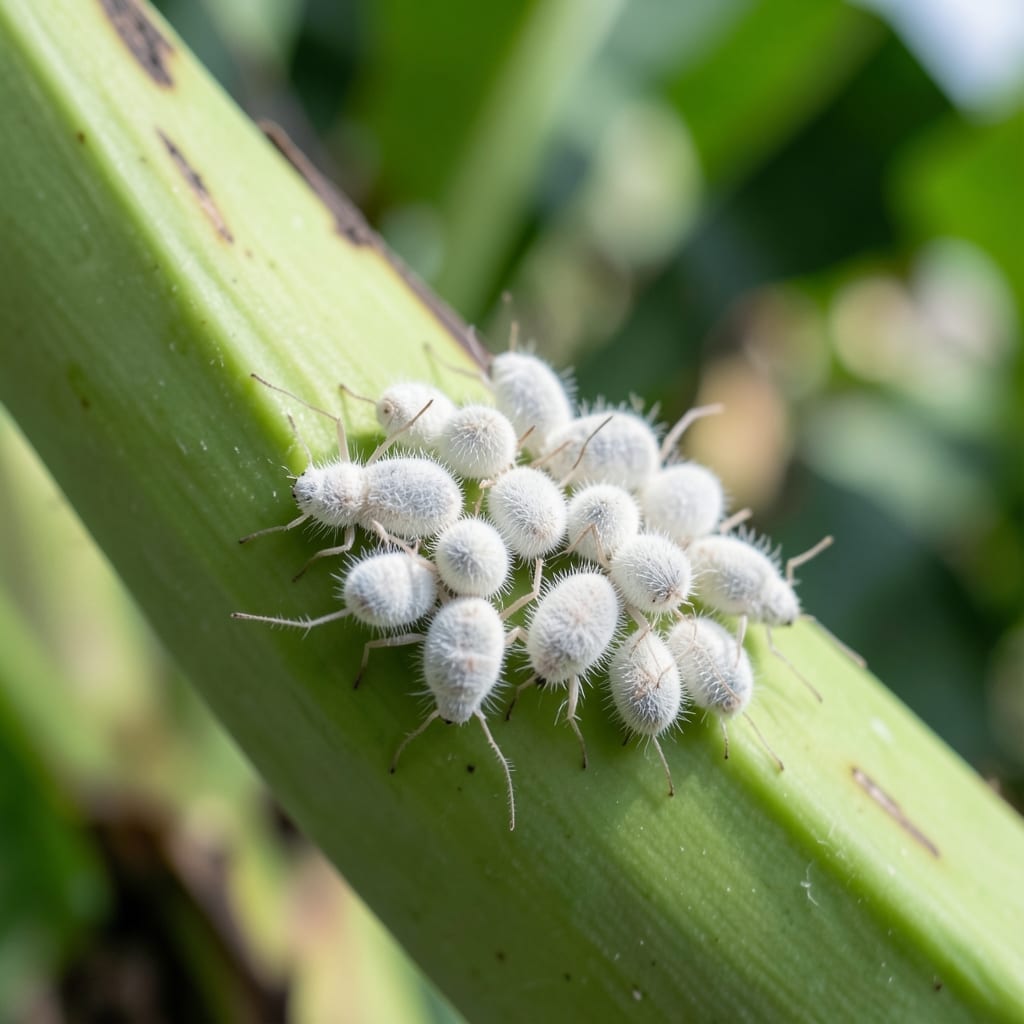
White cottony clusters on your banana leaves? That’s mealybugs, and they spread fast. I lost half a crop before learning the organic tricks to stop them in their tracks.
These pests love warm, humid spots—exactly where bananas thrive. They weaken plants by sucking sap, leaving sticky residue that attracts mold. Left unchecked, they’ll stunt growth and kill young shoots.
Fortunately, you can fight back without harsh chemicals. A little vigilance and the right approach will save your plants. I’ve tested methods that work in 2-3 weeks.
Prevention is simpler than cure, so we’ll cover both. No more watching helplessly as your banana plants suffer.
Mealybugs on banana plants thrive due to a combination of environmental, biological, and cultural factors. Understanding these triggers helps you address the root of the problem. Below are the most common causes:
Mealybugs flourish in temperatures between 70–90°F (21–32°C) with high humidity, which are typical in tropical banana-growing regions. These conditions accelerate their reproductive cycle, allowing populations to explode rapidly. Poor air circulation in dense banana plantations further exacerbates the issue by creating a stagnant, moist environment ideal for mealybugs.
Banana plants under stress—whether from overcrowding, nutrient deficiencies, or water stress—are more susceptible to infestations. Weak plants produce fewer natural defenses, making them easy targets. Additionally, tightly packed plants provide mealybugs with sheltered pathways to spread between leaves and stems undetected.
Inconsistent pruning, sanitation, or monitoring can invite mealybug outbreaks. Failing to remove infested plant debris or tools allows pests to persist. Overuse of nitrogen-heavy fertilizers also promotes tender new growth—mealybugs’ favorite feeding ground. Lack of quarantine for new plants introduces pests into healthy banana groves.
In balanced ecosystems, ladybugs, lacewings, and parasitic wasps keep mealybug populations in check. However, excessive pesticide use or monoculture farming disrupts these beneficial insects, leaving banana plants vulnerable. Without predators, mealybugs multiply unchecked, leading to severe infestations.
Dealing with mealybugs on your banana plants can be frustrating, but these practical solutions will help you eliminate and prevent infestations effectively.
If you spot a few mealybugs early, act fast. Dip a cotton swab in rubbing alcohol (70% isopropyl) and gently dab each bug. The alcohol dissolves their protective waxy coating, killing them on contact. For larger clusters, use a soft toothbrush dipped in soapy water to dislodge them. Pro tip: 💡 Check under leaves and along stems—mealybugs love hiding in crevices!
For heavier infestations, mix 1 tablespoon of neem oil or insecticidal soap with a liter of water and spray the entire plant, focusing on the undersides of leaves. Reapply every 5–7 days until the bugs are gone. Neem oil disrupts their life cycle, while soapy water suffocates them. Bonus: ✨ These sprays are safe for organic gardening!
If the infestation is out of control, prune heavily affected leaves or stems and dispose of them in sealed bags (not compost!). Isolate the plant to prevent mealybugs from spreading to others. For stubborn cases, introduce beneficial insects like ladybugs or lacewings—they’re natural predators of mealybugs.
Consistency is key—stick to these steps, and your banana plants will stay healthy and mealybug-free! 🌿
Inspect your plants weekly, especially under leaves and along stems. Early detection makes treatment much easier.
Use mild dish soap at 1 teaspoon per liter of water. Avoid harsh detergents—they can damage leaves.
Introduce natural predators like ladybugs. Also, improve air circulation and reduce humidity around plants.
Yes, but wash fruit thoroughly. Mealybugs don’t penetrate the fruit, just feed on the plant’s surface.