
Beautiful Plants For Your Interior
Beautiful Plants For Your Interior
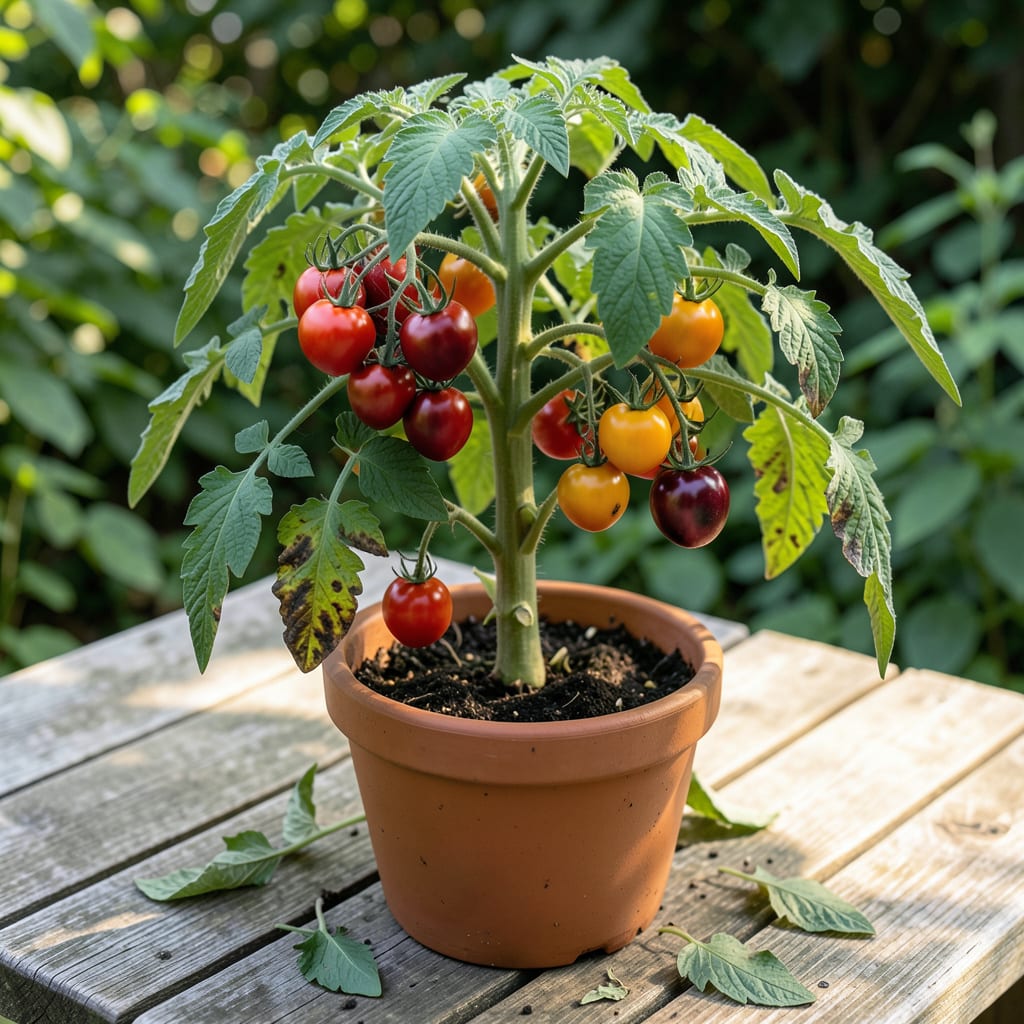
Spotting brown rings on your tomato leaves means early blight has arrived. I’ve lost entire crops to this before learning the simple organic fixes that actually work.
This fungus thrives in wet conditions, spreading from the bottom up. The key is catching it early—once it reaches the upper leaves, your harvest timeline shrinks fast.
With consistent copper fungicide or homemade baking soda sprays, plus better airflow, you can stop the spread. Prune affected leaves immediately to save the rest.
Works best when you start treatments at the first sign. Here’s how to reclaim your season.
Early blight in tomato plants is primarily caused by the fungal pathogen Alternaria solani. This persistent disease thrives under specific environmental conditions and cultural practices. Below are the key factors that trigger its development.
Wet foliage and high humidity create the perfect breeding ground for Alternaria solani. The fungus spreads rapidly when water remains on leaves for extended periods, especially in warm (75–85°F) and humid environments. Overhead watering, poor soil drainage, or crowded plant spacing can exacerbate this issue.
The fungus overwinters in infected plant debris, soil, or contaminated gardening tools. If previous tomato crops or related nightshades (like potatoes or eggplants) had early blight, the spores can linger and reinfect new plants. Crop rotation and removing old plant material are critical to breaking this cycle.
Tomato plants under stress—due to nutrient deficiencies, drought, or physical damage—are more susceptible to early blight. Weak plants lack the vigor to fend off fungal attacks, allowing the pathogen to establish itself more easily.
Alternaria solani thrives in warm, wet conditions. Prolonged periods of high humidity (above 85%) combined with temperatures between 75–85°F accelerate spore germination and infection. Regions with frequent rain or poor air circulation are particularly prone to outbreaks.
Early blight can be tackled with a mix of immediate action and long-term care. Below are practical fixes for each cause, paired with prevention tips to keep your tomato plants thriving. 🌱
If the soil is infected, remove the top 2-3 inches of soil around the plant and replace it with fresh, sterile potting mix. Avoid compost that hasn’t fully decomposed, as it may harbor spores. For severe cases, consider solarizing the soil by covering it with clear plastic for 4-6 weeks to kill fungi with heat.
Prevention: Rotate crops yearly and avoid planting tomatoes or related crops (like potatoes or peppers) in the same spot.
Wet leaves are a breeding ground for fungi. Water at the base of the plant using a drip system or soaker hose to keep foliage dry. If you must use a sprinkler, water early in the morning so leaves dry quickly in the sun.
Prevention: Mulch around plants with straw or wood chips to reduce soil splashing onto leaves during rain or watering.
Thick foliage traps moisture and encourages fungal growth. Prune lower leaves (up to 12 inches from the ground) to improve airflow. Thin out crowded plants to ensure they’re spaced 2-3 feet apart.
Prevention: Stake or cage plants to keep them upright and reduce leaf contact with soil.
For active infections, spray copper-based fungicides or neem oil every 7-10 days, especially after rain. Apply in the evening to avoid leaf burn. Always follow label instructions for dilution and safety.
Prevention: Start spraying before symptoms appear if early blight is common in your area.
Pro Tip: 💡 Remove and destroy (do not compost!) infected leaves or plants immediately to prevent the fungus from spreading.
It can move through a garden in 1-2 weeks under wet, warm conditions. Spores travel via wind, rain, or gardening tools, so isolate infected plants immediately.
Yes, but only if done early and thoroughly. Remove all spotted leaves and destroy them—never compost. Combine with fungicide for best results.
Not safely. The fungus survives in soil for years. Replace the top 2-3 inches of soil or solarize it with clear plastic for 4-6 weeks to kill spores.
Spray in the evening to avoid leaf burn, and always after rain. Reapply every 7-10 days or as directed on the product label.
