
Beautiful Plants For Your Interior
Beautiful Plants For Your Interior
White cottony clusters on your strawberry plants aren’t mold—they’re citrus mealybugs. I lost half my first strawberry crop to these pests before learning how to spot them early. They hide under leaves, along stems, and in fruit clusters, sucking sap and spreading disease faster than you’d expect. The damage goes beyond cosmetics. Mealybugs weaken plants, […]
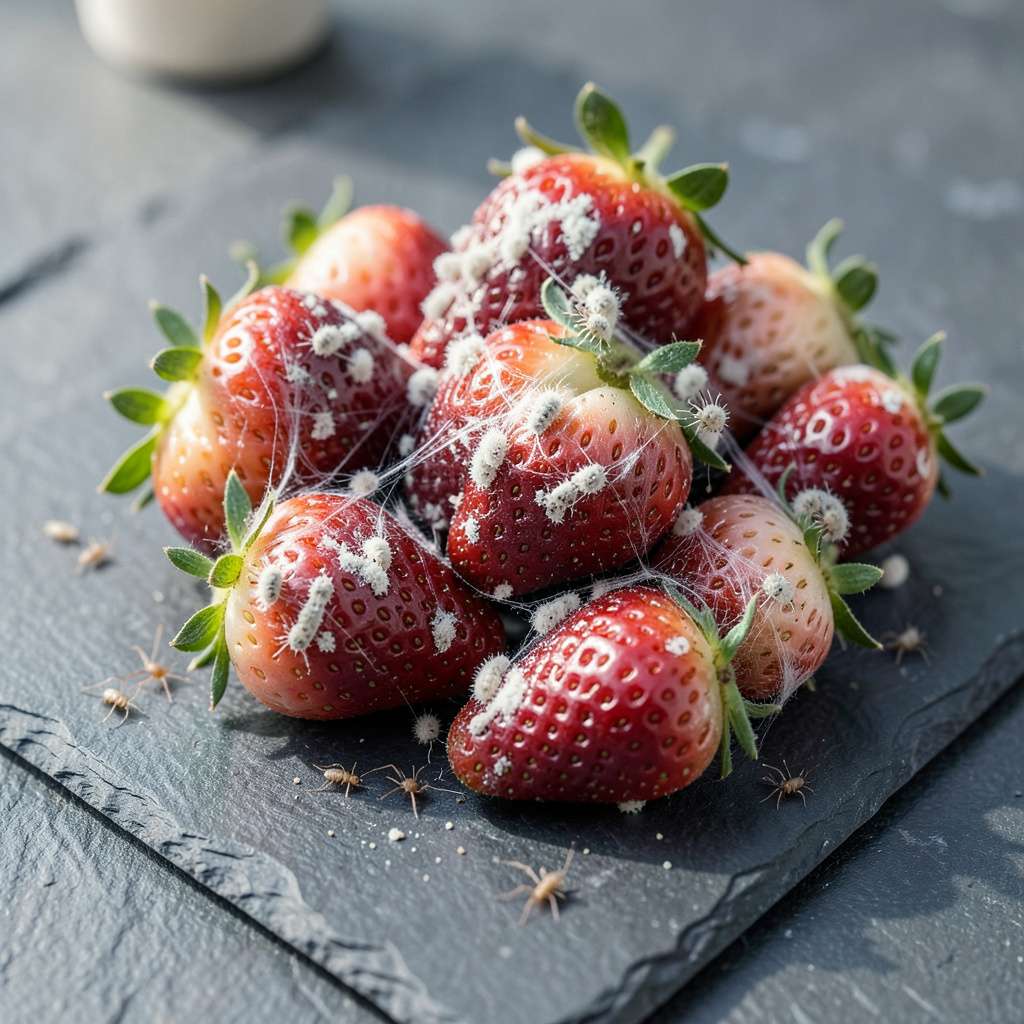
White cottony clusters on your strawberry plants aren’t mold—they’re citrus mealybugs. I lost half my first strawberry crop to these pests before learning how to spot them early. They hide under leaves, along stems, and in fruit clusters, sucking sap and spreading disease faster than you’d expect.
The damage goes beyond cosmetics. Mealybugs weaken plants, stunt berry development, and create sticky honeydew that attracts ants and sooty mold. My plants looked healthy one week and nearly dead the next—that’s when I realized these pests multiply exponentially if ignored. The good news? Organic removal works better than chemical sprays for long-term control.
You’ll need just three things: sharp eyes for early detection, a simple spray solution, and patience for follow-up treatments. The first application reduces populations by 70%, and consistent monitoring keeps them from returning. I’ve kept my strawberry patch mealybug-free for three seasons using this exact method.
Works for container gardens, raised beds, and in-ground plantings alike. The key is acting at the first sign—those white fluffy spots are your warning to start treatment immediately.
📚 In This Guide
Here’s the organic method I’ve perfected to eliminate mealybugs while keeping your strawberry plants thriving.
Begin by carefully removing any visibly infested strawberry plants from your garden or container area. Mealybugs spread rapidly through direct contact, so isolation is your first defense. Place the affected plants on a clean surface away from healthy vegetation.
Examine all plant parts—undersides of leaves, stems, and fruit junctions—using a magnifying glass if needed. Look for the telltale white, cottony clusters that resemble tiny cotton balls. Pay special attention to new growth, where mealybugs prefer to feed and reproduce.
Using a soft-bristled toothbrush or cotton swab dipped in 70% isopropyl alcohol, gently dislodge and remove the cottony masses. The alcohol dissolves their protective waxy coating while being safe for plant tissue. Work systematically from the top of the plant downward to prevent dislodged insects from reattaching to untreated areas.
For severe infestations, you may need to prune heavily affected leaves or stems with sterilized pruners. Dispose of all removed plant material in a sealed bag—never compost it, as mealybugs can survive and reinfest your garden. This physical removal eliminates up to 90% of the population immediately.
Prepare a treatment solution by mixing 1 tablespoon of insecticidal soap and 1 tablespoon of neem oil per 1 quart of water. The soap disrupts their cell membranes while the neem oil interferes with their reproductive cycle. Shake well before and during application to maintain emulsion.
Spray the solution thoroughly on all plant surfaces until runoff occurs, focusing on leaf undersides and stem joints where mealybugs hide. Apply in the early morning or late evening to prevent leaf burn. Repeat this treatment every 5-7 days for 3-4 weeks to break the mealybug life cycle completely.
Release 10-15 ladybugs or 5-10 lacewings per affected plant once you’ve reduced the mealybug population through physical removal and sprays. These beneficial insects will consume remaining mealybugs and their eggs. Time the release for late afternoon when predators are most active.
Create a welcoming environment by providing shallow water sources and avoiding broad-spectrum pesticides that would harm your beneficial allies. You’ll notice reduced mealybug activity within 2-3 days as the predators establish themselves. This biological control provides long-term protection against reinfestation.
Inspect your strawberry plants weekly for new signs of mealybug activity. Look for sticky honeydew residue or sooty mold development, which often precedes visible cottony clusters. Early detection allows for immediate spot treatment before populations explode.
Maintain plant health with proper spacing for air circulation and avoid over-fertilizing with nitrogen, which attracts mealybugs. Apply a fresh 1-inch layer of mulch around plants to deter crawling insects. Healthy, stress-free plants naturally resist infestations better and recover more quickly from any remaining pests.
After years of battling these persistent pests in our own strawberry patches, we’ve learned what truly makes the difference between temporary relief and lasting control.
Inspection Technique: In Step 1, don’t just look for the obvious cottony clusters—use your fingernail to gently scratch suspicious areas. Mealybugs often hide beneath a thin waxy layer that blends with plant tissue. A handheld 10x magnifier reveals their true extent. Pay particular attention to where leaves attach to stems, their favorite hiding spot. This thorough approach catches infestations at their earliest stage.
Alcohol Application: When working with 70% isopropyl alcohol in Step 2, always use white cotton swabs rather than colored ones. The dyes in colored swabs can leach into plant tissue. Work in small sections, dipping your swab frequently to maintain effectiveness. The alcohol evaporates quickly, so fresh applications ensure maximum contact time with the pests’ protective coating.
Spray Timing: For the organic spray treatment in Step 3, early morning applications work best because plant stomata are open, allowing better absorption of the neem oil and insecticidal soap mixture. Avoid spraying when temperatures exceed 85°F or when plants are water-stressed. The combination of heat and treatment can cause phytotoxicity in strawberry plants.
Predator Integration: When introducing ladybugs or lacewings in Step 4, release them at dusk rather than late afternoon. This gives them time to acclimate before nightfall while avoiding the midday heat that can stress newly released beneficial insects. Provide a shallow dish of water with pebbles for them to drink from—this simple addition increases their likelihood of staying in your garden.
While citrus mealybugs rarely kill mature strawberry plants outright, severe infestations can weaken them by sucking sap, causing stunted growth, yellowing leaves, and reduced fruit production. Young plants are more vulnerable. Act quickly if you spot white, cottony clusters to prevent long-term damage.
Early morning or late evening is ideal for treatment—cooler temps slow mealybug movement, making them easier to target. Treat immediately when you spot them (spring/summer are peak seasons). Avoid spraying during bloom to protect pollinators, and reapply organic treatments every 5–7 days until gone.
A mix of 1 tbsp insecticidal soap + 1 tsp neem oil per quart of water works well. Test on a small area first. Alternatively, spray 70% isopropyl alcohol (diluted 1:1 with water) directly on bugs. Always rinse fruit thoroughly before eating and avoid treating right before harvest.
Yes! Both are natural predators. Release ladybugs (Hippodamia convergens) or green lacewings at dusk near infested plants. For best results, combine with other methods—beneficial insects work slowly but help prevent future outbreaks. Avoid chemical sprays if using them!
Mealybugs hide in leaf axils, under fruit, or in soil, so missed eggs or nymphs can repopulate. Reapply treatments weekly for 2–3 cycles to break their life cycle. Prune heavily infested leaves, and sterilize tools to avoid spreading them. Consider replacing mulch if they’re nesting underneath.
Dealing with citrus mealybugs on strawberries doesn’t have to be overwhelming! With the right organic methods—like neem oil, beneficial insects, or manual removal—you can protect your plants without harsh chemicals. Early detection and consistent care are your best tools for a thriving, pest-free harvest. 🌱
Ready to take action? Start inspecting your strawberry plants today and apply one of the organic treatments we’ve covered. Your berries (and taste buds!) will thank you. 🍓✨
