
Beautiful Plants For Your Interior
Beautiful Plants For Your Interior
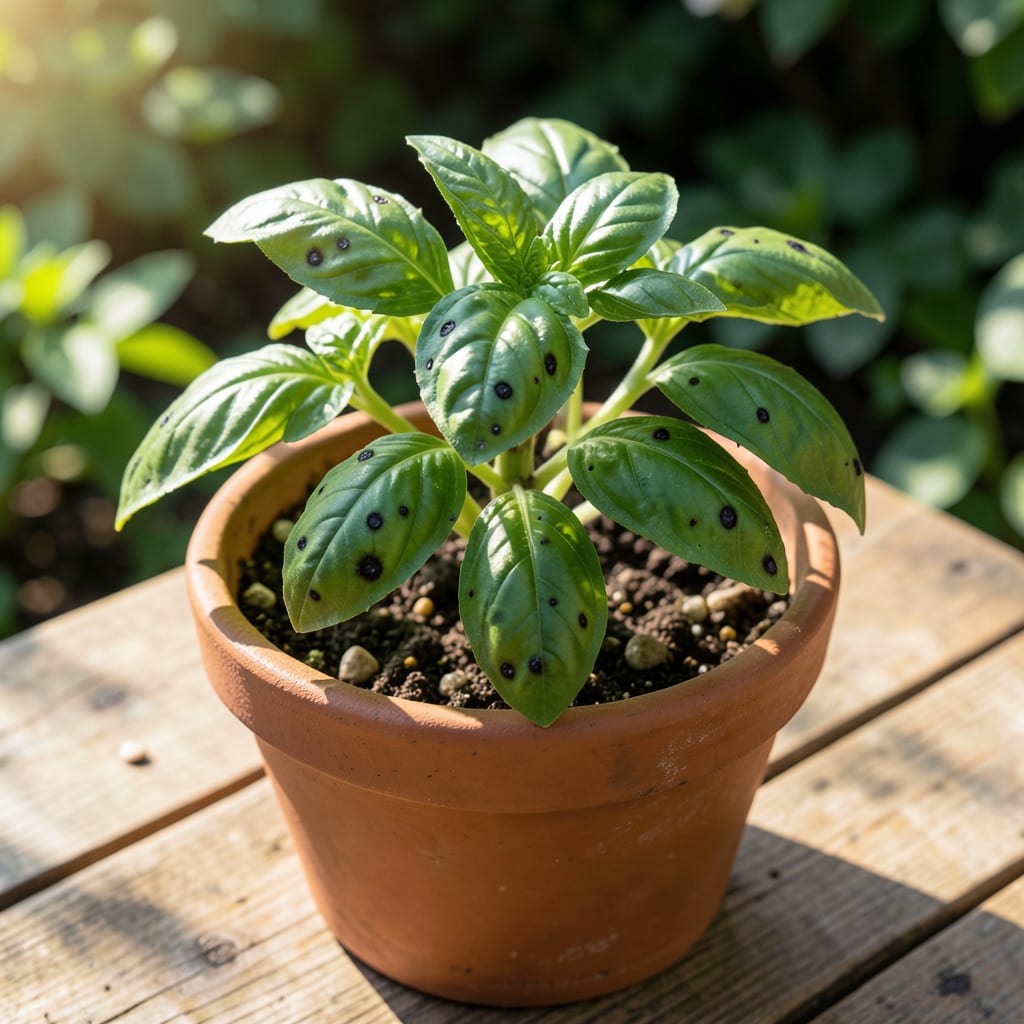
Spotted black marks on basil leaves ruined my first herb garden. 🌱 I learned these spots usually mean fungal trouble, often from too much moisture or poor air flow.
The good news? Catching it early makes all the difference. Simple fixes like better spacing, morning watering, and removing infected leaves can stop the spread fast.
Within a week of adjusting my care routine, new growth came in clean and healthy. The plants bounced back stronger than before.
Works for potted basil indoors or garden patches outside. Here’s how to fix it for good.
Black spots under basil leaves are a common sign of underlying issues, often tied to environmental conditions or pathogens. Here’s a breakdown of the most likely causes:
The primary culprit is often fungal diseases, particularly Downy Mildew (Peronospora belbahrii). This pathogen thrives in cool, humid conditions (60–75°F with high moisture) and manifests as yellowing upper leaves with dark purple or black spots underneath. Spores spread via water splash or wind, making crowded or poorly ventilated plants especially vulnerable.
Excess moisture—whether from overwatering, poor drainage, or high humidity—creates a breeding ground for fungi. Basil roots suffocate in soggy soil, weakening the plant and inviting infections. Waterlogged leaves (especially when watered from above) also prolong leaf wetness, accelerating spore germination.
A lack of potassium or phosphorus can compromise basil’s natural defenses, making it more susceptible to diseases. Potassium deficiency often appears as dark spots or necrotic edges on older leaves, while phosphorus shortages may cause purplish-black discoloration on leaf undersides.
Though less common, pests like thrips or spider mites can cause dark speckling or spots under leaves as they feed. Their wounds may also introduce secondary fungal infections. Check for webbing, tiny insects, or stippling alongside the spots.
Identifying the root cause is key to treatment—start by inspecting your plant’s environment and care routine!
Addressing black spots under basil leaves requires targeted action based on the root cause. Below are practical solutions for common issues, paired with prevention tips to keep your basil thriving.
If the spots are caused by fungal diseases like downy mildew or leaf spot:
💡 Prevention: Water at the base (avoid wetting leaves), use drip irrigation, and plant in well-draining soil.
For pests like aphids or spider mites causing dark spots or sooty mold:
🎯 Prevention: Inspect new plants before introducing them to your garden, and keep the area free of debris where pests hide.
If root rot or water stress is the culprit:
✨ Prevention: Use terracotta pots (they wick away excess moisture) and ensure containers have drainage holes.
They usually signal fungal infections like downy mildew or environmental stress. Check for yellowing upper leaves and dark spots underneath as common symptoms.
Remove affected leaves and inspect the rest. If the plant appears otherwise healthy, the clean leaves are safe to use. Avoid consuming heavily damaged foliage.
Improve airflow, water at the base, and avoid overwatering. Use well-draining soil and space plants properly to reduce humidity.
Yes, removing infected leaves helps contain the issue. Always sterilize tools between cuts and dispose of the leaves, not compost them.
