
Beautiful Plants For Your Interior
Beautiful Plants For Your Interior
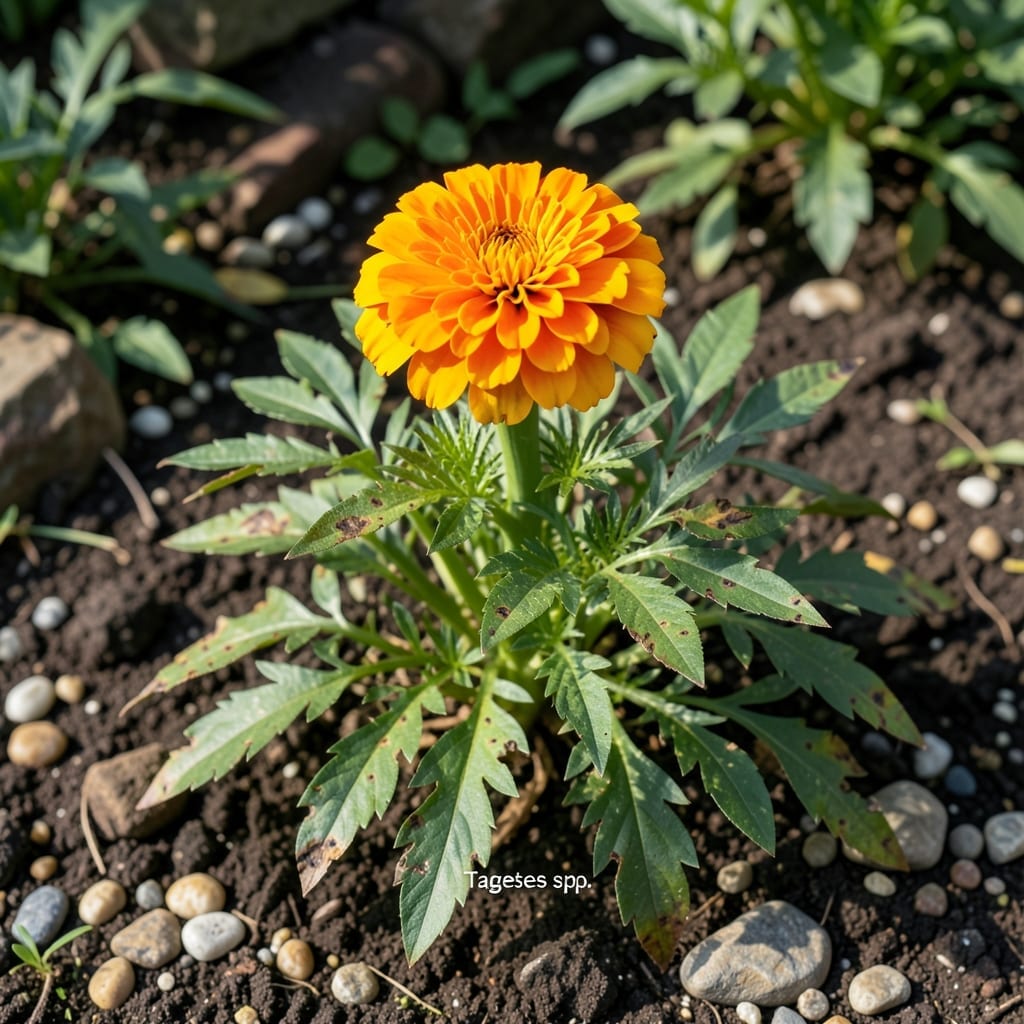
Yellow spots on your marigold leaves aren’t just ugly—they’re a warning. I’ve lost entire beds to leaf diseases that started with a single brown patch, spreading like wildfire through my garden.
The usual suspects are fungal infections from overhead watering or poor air circulation. But here’s the thing—most cases are preventable with simple habit changes and the right organic treatments.
You’ll spot early signs like discolored patches, powdery coatings, or blackened edges. Catching these first symptoms means you can stop the spread before it ruins your blooms.
Works for container or in-ground marigolds, and the solutions scale from a single pot to a full flower bed. Here’s how to protect your plants.
Marigolds are hardy, but even these vibrant flowers can fall victim to leaf diseases when conditions align against them. Understanding the root causes helps you prevent and manage issues before they spread. Below are the most common triggers, broken down by scientific mechanisms.
Fungal pathogens like Alternaria and Botrytis thrive in damp environments. Overwatering, high humidity, or poor soil drainage creates a breeding ground for spores. When leaves remain wet for extended periods, especially overnight, fungal infections take hold. Action: Water at the base of the plant early in the day to allow foliage to dry quickly.
Marigolds prefer warm, well-ventilated conditions. Cool, humid weather (60–75°F with >80% humidity) accelerates the growth of pathogens like powdery mildew (Oidium spp.). Conversely, heat stress weakens plants, making them more susceptible to bacterial leaf spot (Xanthomonas). Action: Space plants for airflow and use mulch to regulate soil temperature.
Bacteria and fungi lurking in contaminated soil—such as Fusarium or Phytophthora—can infect marigolds through the roots or splashing water. This often leads to wilting, yellowing, or necrotic spots. Action: Rotate crops, sterilize garden tools, and avoid overhead irrigation to limit soil-to-leaf transmission.
Aphids, whiteflies, and leafhoppers don’t just damage leaves directly—they also spread viral diseases like Tomato Spotted Wilt Virus (TSWV). These pests introduce pathogens through feeding wounds. Action: Monitor for pests and use organic insecticides (e.g., neem oil) to disrupt their lifecycle.
Weak or nutrient-starved marigolds are more vulnerable to disease. Nitrogen deficiency causes yellowing (chlorosis), while potassium deficiency reduces resistance to fungal attacks. Action: Conduct a soil test and amend with balanced organic fertilizers to strengthen plant defenses.
Tackling marigold leaf diseases starts with identifying the problem and applying the right fix. Here’s a practical, step-by-step guide to nurse your plants back to health.
If white, powdery spots appear, act fast. Remove infected leaves and space plants further apart to boost air circulation. Water at the base in the morning to keep foliage dry. For severe cases, spray with a neem oil solution (1 tbsp per gallon of water) weekly. 💡 Prevention tip: Avoid overhead watering and thin crowded plants.
Dark or yellow-spotted leaves often signal fungal or bacterial leaf spot. Prune affected foliage immediately and discard it (don’t compost!). Apply a copper fungicide or a baking soda spray (1 tsp baking soda + 1 quart water + a few drops of soap). 💡 Prevention tip: Rotate crops yearly and use drip irrigation to minimize moisture on leaves.
Tiny webs or stippled leaves? Spider mites are likely. Blast them off with a strong water spray, then apply insecticidal soap every 3–4 days. For a natural repellent, introduce ladybugs or spray with garlic-chili water. 💡 Prevention tip: Keep humidity high (mites thrive in dry conditions) and inspect leaves regularly.
Wilting, yellowing, and mushy stems point to root rot. Stop watering immediately and let the soil dry out. If the pot lacks drainage, repot into fresh, well-draining soil. Trim black, rotted roots before replanting. 💡 Prevention tip: Use containers with drainage holes and avoid overwatering—marigolds prefer slightly dry soil.
Look for white powdery spots, dark circular patches, or blackened edges on leaves. Fungal infections often start on lower leaves and spread upward.
Water early in the morning so foliage dries quickly in the sun. This prevents moisture from sitting on leaves overnight, which invites disease.
Yes! A baking soda spray (1 tsp baking soda + 1 quart water + few drops of soap) works well against mild fungal issues. For pests, insecticidal soap is effective.
Pathogens can linger in soil or on tools. Rotate planting locations, sterilize tools, and avoid overhead watering to break the cycle.