
Beautiful Plants For Your Interior
Beautiful Plants For Your Interior
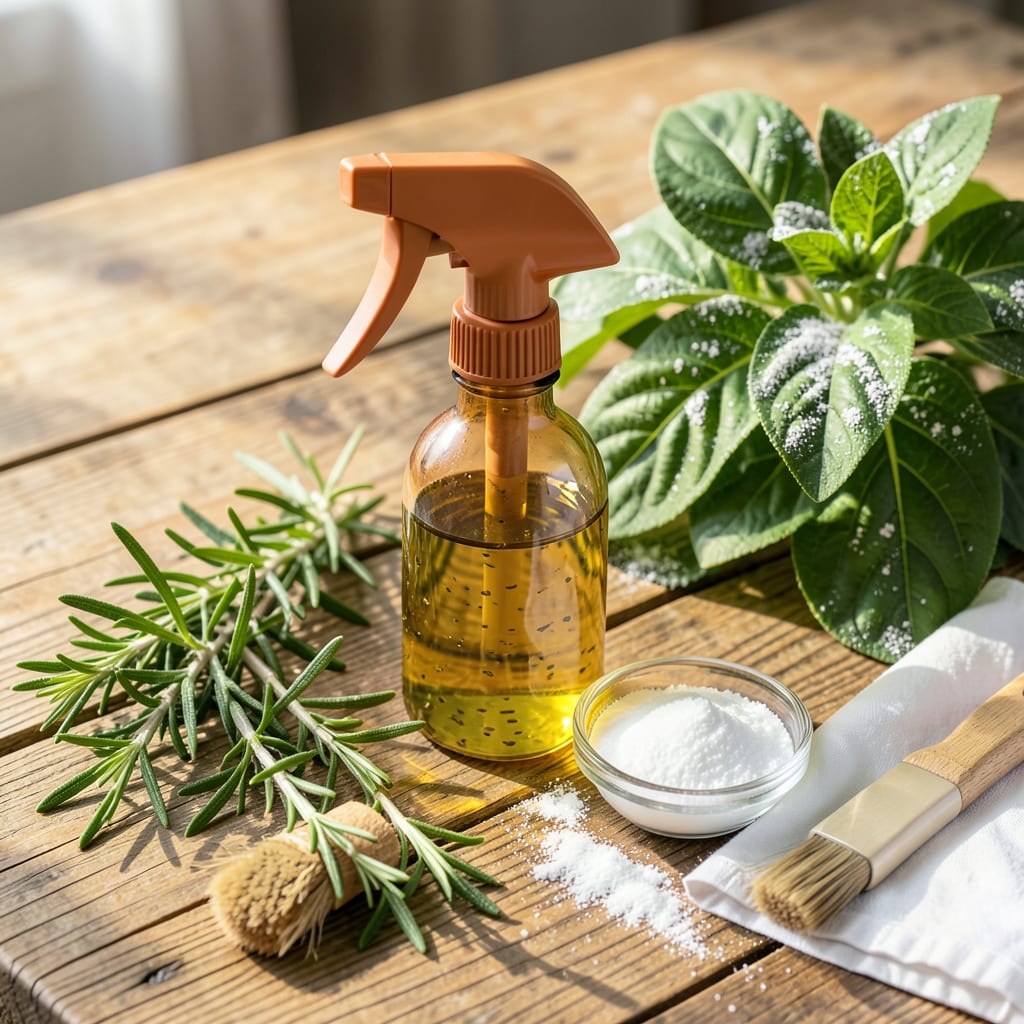
That white dust on your leaves isn’t flour—it’s a fungus party crashing your garden. I’ve lost count of how many plants I’ve saved by catching powdery mildew early and hitting it hard with the right fixes.
The good news? This isn’t a death sentence. With simple sprays and better airflow, most plants bounce back in a week or two. The key is acting fast before it spreads to every leaf and stem in sight.
You’ll end up with healthier plants that resist future outbreaks. The same tricks work for roses, squash, and even your favorite houseplants—no fancy equipment required.
Prevention is easier than cure, but both are doable. Here’s how to stop the white menace in its tracks.
Powdery mildew thrives under specific environmental and biological conditions. Understanding these triggers helps you prevent outbreaks before they start. Below are the most common causes, explained with science-backed clarity.
This fungus (Erysiphales order) spores germinate best in 60–80% relative humidity, but—unlike many fungi—it doesn’t need wet leaves to grow. Instead, stagnant air traps moisture around foliage, creating a microclimate perfect for spore spread. Crowded plantings or dense canopies worsen this effect.
Powdery mildew proliferates when daytime temperatures hit 70–80°F (21–27°C) and nights drop significantly. This temperature swing stresses plants, weakening their natural defenses while giving the pathogen ideal conditions to colonize.
While the fungus doesn’t require free water to infect, evening watering or wetting leaves directly can prolong leaf surface moisture. This extends the window for spores to attach and penetrate plant cells, especially in susceptible varieties like roses, cucumbers, or squash.
Plants under stress—from nutrient deficiencies (particularly low phosphorus or potassium), drought, or root damage—produce fewer defensive compounds. Powdery mildew exploits this vulnerability, spreading faster on weakened tissue.
Some plants are genetically predisposed. Monocultures (e.g., a row of the same zucchini variety) lack biodiversity, allowing spores to spread unchecked. Choose resistant cultivars (look for labels like “PM-resistant”) to reduce risk.
Powdery mildew can be stubborn, but these targeted fixes will help you tackle it head-on. Address the root causes with simple, actionable steps to restore your plants’ health.
Stagnant air encourages mildew growth. Fix it by:
💡 Prevention tip: Avoid overcrowding plants from the start—give them room to breathe!
Wet leaves are a mildew magnet. Fix it by:
💡 Prevention tip: Mulch around plants to reduce soil splashing onto leaves.
Mildew thrives in humid conditions. Fix it by:
💡 Prevention tip: Group humidity-loving plants together and keep them separate from drier varieties.
Stop the spread fast. Fix it by:
💡 Prevention tip: Inspect plants weekly for early signs of white, powdery spots.
Space plants for airflow and water at the base in the morning. Remove infected leaves immediately and avoid overhead watering to keep foliage dry.
Yes! Mix 1 teaspoon baking soda with 1 quart water and a drop of dish soap. Spray weekly for prevention or every 5-7 days for active infections.
Try organic methods first. Use sulfur or copper fungicides only for severe outbreaks, especially on valuable plants like roses. Always follow label instructions carefully.
Yes, but most strains are host-specific. However, good airflow and isolation of infected plants prevents any potential spread between different species.
