
Beautiful Plants For Your Interior
Beautiful Plants For Your Interior
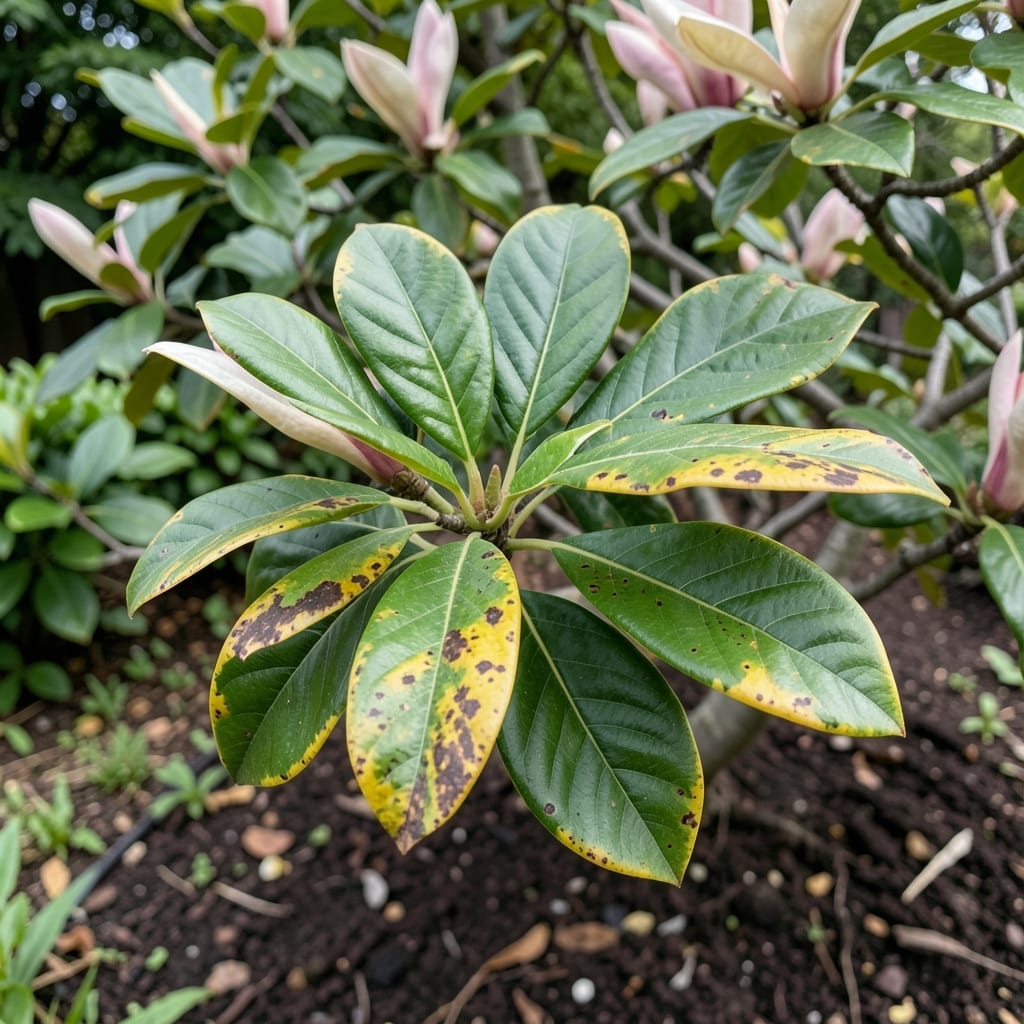
Your magnolia’s yellowing leaves or black-spotted foliage aren’t just bad luck. I’ve battled these issues in my own garden and learned that early identification turns panic into action.
Most problems stem from three culprits: fungal infections, environmental stress, or poor soil conditions. The good news? Organic solutions work surprisingly well when you catch them early. 2-3 weeks of treatment can reverse most damage.
You’ll spot the difference quickly once you know what to look for. Brown edges mean drought stress, while fuzzy growth signals powdery mildew. Each has a specific fix that doesn’t involve harsh chemicals.
Works for established bushes and new plantings alike. Here’s how to diagnose and treat what’s ailing your magnolia.
Magnolia bushes are hardy, but even the toughest plants can fall prey to disease when conditions align. Understanding the root causes helps you prevent and manage issues before they escalate. Here are the primary triggers behind common magnolia bush ailments:
Many magnolia diseases, like root rot and leaf spot, thrive in soggy soil. Overwatering or compacted, clay-heavy soil restricts root oxygen intake, creating a breeding ground for fungi such as Phytophthora. Poor drainage also stresses the plant, weakening its natural defenses.
Fungi like Cercospora and Botrytis cause unsightly leaf spots, blights, and cankers. These pathogens spread via water splashes, contaminated tools, or infected plant debris. Bacteria, such as Pseudomonas syringae, enter through wounds or natural openings, leading to dieback or leaf scorch.
Insects like scale, aphids, and magnolia borers weaken the bush by feeding on sap or tunneling into stems. Their damage creates entry points for secondary infections. For example, honeydew from aphids promotes sooty mold growth, further stressing the plant.
Extreme heat, cold snaps, or sudden temperature swings can stress magnolias, making them vulnerable to disease. Drought conditions weaken roots, while frost damage can cause dieback. Poor air circulation—common in dense plantings—also encourages fungal growth by trapping humidity around foliage.
A lack of essential nutrients, particularly iron or magnesium, leads to chlorosis (yellowing leaves) and stunted growth. Weakened plants are less able to resist pathogens. Testing soil pH (magnolias prefer slightly acidic, 5.0–6.5) and amending with compost or organic fertilizers can restore balance.
Dealing with magnolia bush diseases can feel overwhelming, but most problems have practical solutions. Below are targeted fixes for common issues, along with prevention tips to keep your magnolia thriving.
Powdery mildew appears as a white, dusty coating on leaves. To fix it, prune dense branches to improve airflow, and remove infected leaves. Spray with a baking soda solution (1 tsp baking soda + 1 quart water + a few drops of dish soap) weekly until the issue clears. Prevention tip: 💡 Space plants properly and water at the base to keep foliage dry.
Scale insects look like small, waxy bumps on stems and leaves. Scrape them off with a soft brush or cloth dipped in soapy water. For severe infestations, apply neem oil or horticultural oil every 7–10 days. Prevention tip: ✨ Inspect new plants before introducing them to your garden to avoid contamination.
Dark or yellow spots on leaves often signal fungal leaf spot. Remove and destroy infected leaves immediately to prevent spread. Apply a copper fungicide or compost tea spray for organic control. Prevention tip: 🌡️ Avoid overhead watering and clean up fallen leaves to reduce fungal spores.
Yellowing leaves and wilting may indicate root rot from poor drainage. Dig up the plant, trim black or mushy roots, and replant in well-draining soil. Amend heavy soil with compost or sand. Prevention tip: 🎯 Ensure pots have drainage holes, and avoid overwatering—magnolias prefer moist but not soggy soil.
Black spots are usually fungal leaf spot, often from Cercospora or Botrytis. These thrive in wet conditions. Remove infected leaves and improve air circulation to stop spread.
Yes, if caught early. Trim black roots, repot in fresh, well-draining soil, and reduce watering. Severe cases may require professional help.
Space plants for airflow, water at the base, and apply a baking soda spray weekly. Remove infected leaves immediately to stop spread.
Yellowing often signals nutrient deficiency or overwatering. Test soil pH and adjust watering habits. Iron or magnesium supplements can help.