
Beautiful Plants For Your Interior
Beautiful Plants For Your Interior
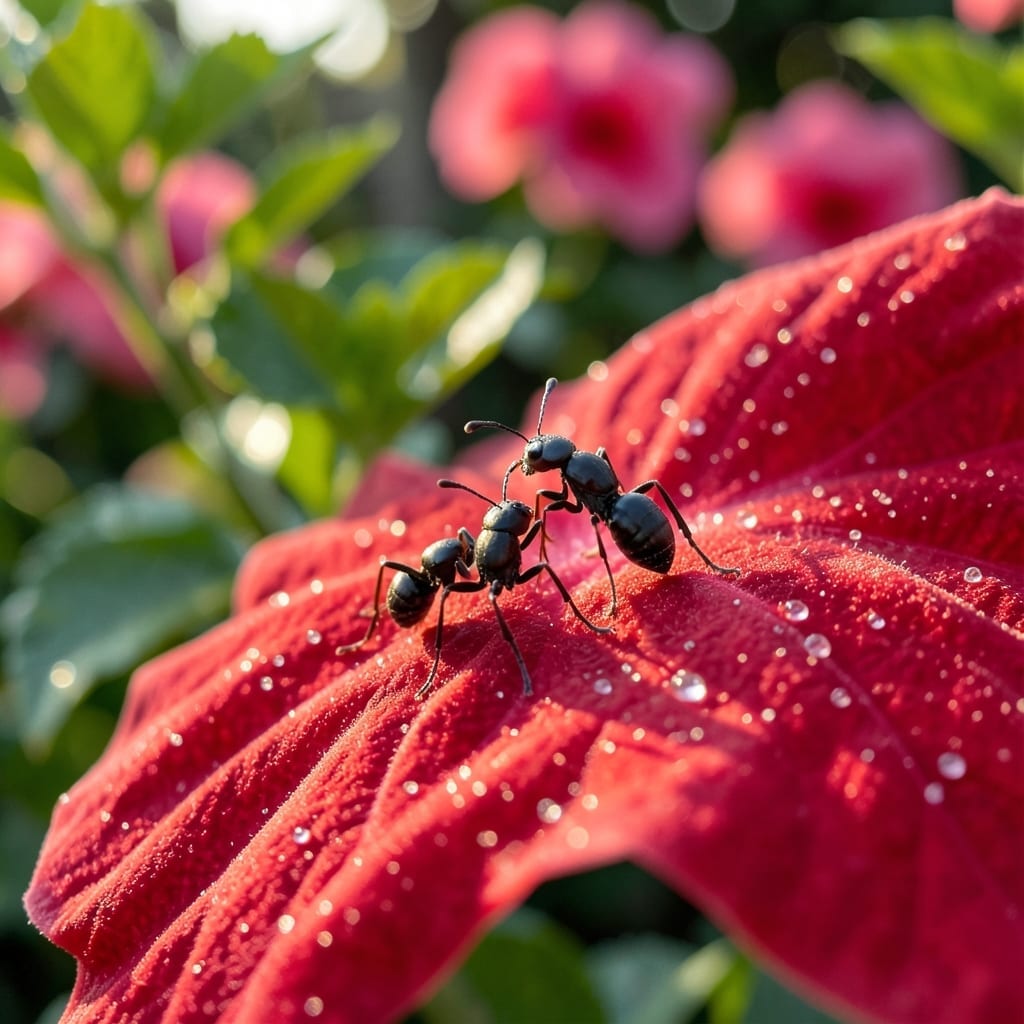
Your hibiscus leaves suddenly dotted with tiny black specks. 🌿 I’ve seen these pests turn healthy plants yellow overnight, but they’re easier to beat than you think.
Most are aphids or thrips—sap-suckers that multiply fast. The good news? A strong spray from the hose knocks them off immediately, and neem oil stops them from coming back.
You’ll spot the difference within 24-48 hours as new growth stays clean. The key is catching them early before they cluster on fresh buds.
Works for potted plants, garden beds, or tropical hibiscus. Here’s how to take back your blooms.
Little black bugs on your hibiscus are usually a sign of an underlying issue. Here’s why they show up and thrive:
Excess moisture is a magnet for pests like fungus gnats and aphids. Hibiscus roots suffocate in waterlogged soil, creating the perfect breeding ground for these bugs. Overwatering also promotes fungal growth, which attracts additional pests that feed on decaying plant matter.
Dense foliage or crowded planting restricts airflow, leading to humid microclimates. This encourages scale insects and mealybugs to settle in. Poor ventilation also slows down the drying of leaves, making them more susceptible to infestations.
Over-fertilizing, especially with nitrogen-heavy products, can cause soft, sappy growth that’s irresistible to aphids and whiteflies. On the flip side, nutrient-deficient plants are weaker and more vulnerable to pest attacks.
Hibiscus plants often attract pests naturally due to their nectar-rich flowers and tender new growth. Aphids, thrips, and spider mites may migrate from nearby infested plants or be carried by wind, birds, or garden tools.
Extreme heat, drought, or sudden temperature changes weaken hibiscus plants, making them more susceptible to infestations. Stressed plants produce fewer defensive chemicals, giving pests an easy opportunity to take hold.
Tackling those tiny black invaders on your hibiscus starts with identifying the exact pest. Here’s a practical, step-by-step guide to reclaim your plant’s health:
Use a strong stream of water from your hose to knock aphids off the leaves and stems. Repeat every 2-3 days until they’re gone. For stubborn infestations, apply insecticidal soap or neem oil (follow label instructions). Prevention tip: 💡 Encourage ladybugs and lacewings—natural aphid predators—by planting pollinator-friendly flowers nearby.
These pests thrive in dry conditions. Mist your hibiscus daily or place a tray of water near the plant to raise humidity. Wipe leaves with a damp cloth to remove mites and their webs. For severe cases, use horticultural oil or miticides. Prevention tip: 🌡️ Keep your plant in a well-ventilated area to discourage mite outbreaks.
Gently scrub scales off with a soft toothbrush dipped in soapy water. For heavy infestations, apply systemic insecticides or neem oil to smother them. Prevention tip: ✨ Inspect new plants thoroughly before bringing them near your hibiscus to avoid contamination.
Set up yellow sticky traps to capture adult whiteflies. Spray the plant with insecticidal soap or introduce parasitic wasps for biological control. Prevention tip: 🎯 Avoid over-fertilizing, as whiteflies are attracted to lush, soft growth.
For all pests, isolate heavily infested plants to prevent spreading. Regularly check the undersides of leaves and new growth for early signs of trouble.
Yes, they can damage your plant by sucking sap from leaves and stems. This weakens the hibiscus, causes yellowing, and may stunt growth if left untreated.
Check for clusters on new growth (aphids), fine webbing (spider mites), or waxy coatings (scale). A magnifying glass helps spot these tiny invaders.
A soap-water spray or neem oil works well for most infestations. Apply in the early morning or evening for best results.
Yes, many of these bugs can migrate. Isolate your hibiscus and inspect nearby plants regularly to prevent an outbreak.