
Beautiful Plants For Your Interior
Beautiful Plants For Your Interior
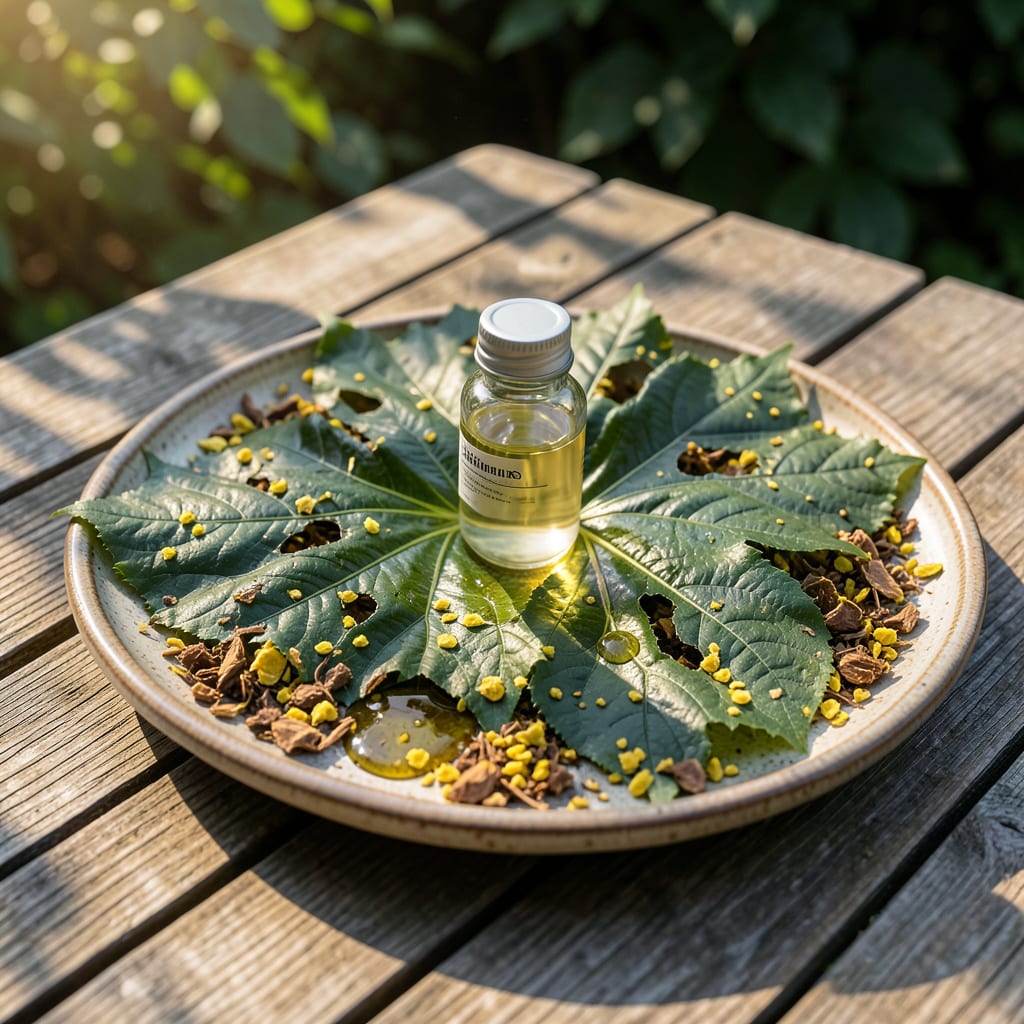
Holes in hibiscus leaves are a cry for help. I’ve seen caterpillars, beetles, and even earwigs turn my plants into lace overnight.
Here’s the thing—most damage comes from pests you can actually see if you look closely. A flashlight at dusk often reveals the culprits. Natural solutions work best: hand-picking, soapy sprays, or introducing beneficial insects.
Within a week of consistent treatment, new growth emerges hole-free. The key is catching it early before the problem spreads to every leaf.
Works for tropical and hardy hibiscus alike. Your plants will thank you with lush, healthy foliage.
Holes in hibiscus leaves are often a sign of underlying issues, and identifying the cause is the first step to fixing the problem. Here’s why it happens:
Common culprits include Japanese beetles, caterpillars, and slugs, which chew through leaves, leaving irregular holes. Japanese beetles are particularly fond of hibiscus and can skeletonize foliage quickly. Slugs leave slime trails, while caterpillars often roll leaves or hide on the undersides. Check for visible pests or their signs, especially during early morning or evening.
Diseases like leaf spot or anthracnose can cause holes as infected tissue dies and falls out. These often start as small brown or black spots that expand, creating a ragged appearance. High humidity and poor air circulation encourage fungal growth. Bacterial leaf spot, caused by Xanthomonas or Pseudomonas, may also lead to hole formation as lesions dry out.
Physical damage from wind, hail, or improper pruning can tear leaves, creating entry points for pests or pathogens. Overhead watering can also contribute by splashing soil-borne spores onto leaves. Additionally, nutrient deficiencies (e.g., magnesium or potassium) weaken foliage, making it more susceptible to secondary damage.
Birds, squirrels, or even pets may nibble on hibiscus leaves, resulting in clean-edged holes. This is less common but worth considering if other causes are ruled out. Look for claw marks or larger, more random damage patterns.
Here’s how to tackle those unsightly holes in your hibiscus leaves, based on the most common causes:
Not always. While pests like beetles and caterpillars are common culprits, holes can also result from fungal infections, environmental stress, or even animal interference. Inspect leaves closely for other signs.
Apply natural treatments like neem oil every 3-5 days until pests are gone. For prevention, check leaves weekly and treat at the first sign of trouble. Consistency is key!
Yes! A mix of 1 tsp dish soap + 1 quart water works well for pests. For fungal issues, try a baking soda spray with 1 tbsp baking soda + 1 gallon water.
No, but trimming them encourages new, healthy growth. Remove severely damaged leaves with clean shears to redirect the plant’s energy. New foliage should appear hole-free within a week.
