
Beautiful Plants For Your Interior
Beautiful Plants For Your Interior
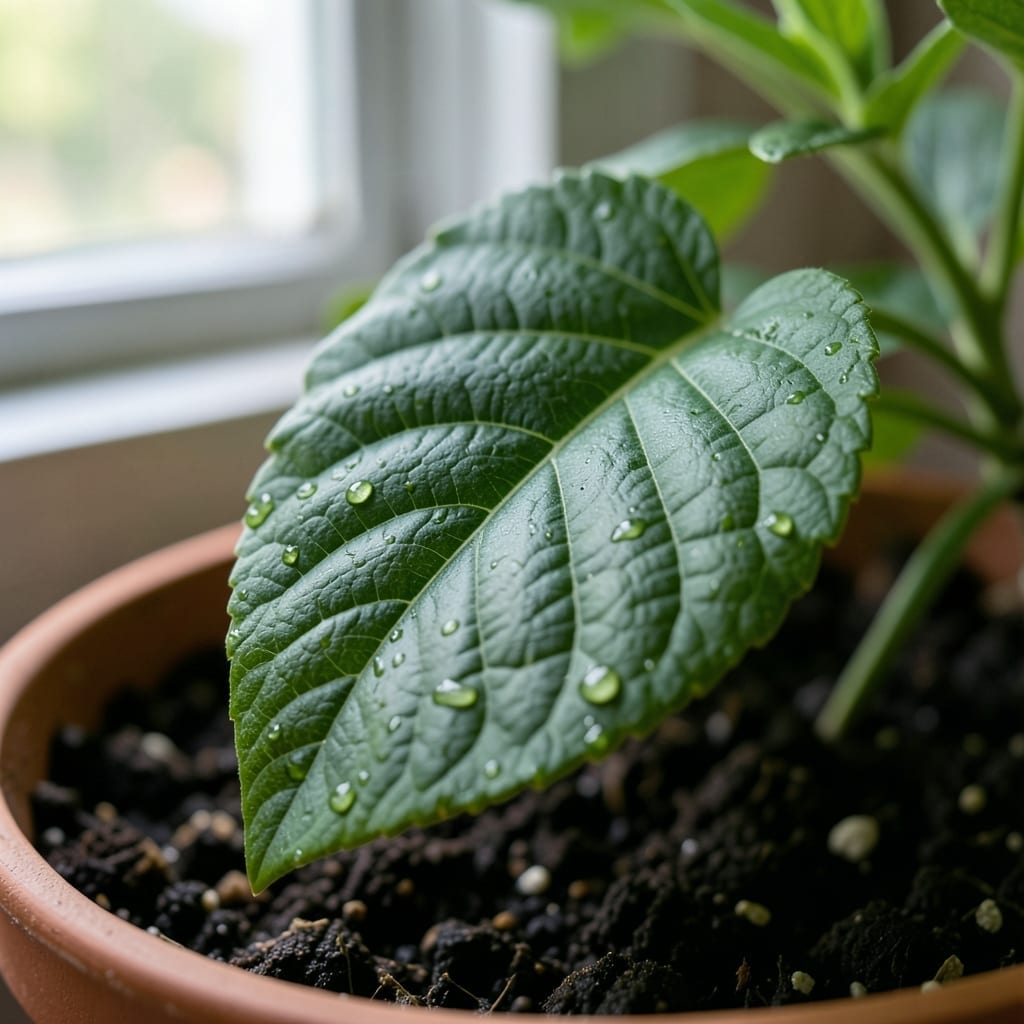
Those little white worms in your potted plants aren’t just gross—they’re stealing nutrients from your roots. I’ve dealt with this problem more times than I care to admit, and I’ve found that natural solutions work better than harsh chemicals.
The key is catching them early before they multiply. Neem oil disrupts their life cycle, while companion planting with strong-smelling herbs keeps them from returning. It’s a one-two punch that protects your plants without harming beneficial insects.
Within a week of treatment, you’ll notice fewer worms and healthier foliage. The best part? These methods prevent future infestations while keeping your soil biology intact.
Works for houseplants, patio containers, and greenhouse setups. Here’s how to reclaim your pots.
Worms in potted plants often appear due to environmental, biological, or cultural factors that create ideal conditions for their survival. Understanding these causes helps prevent future infestations. Below are the most common reasons:
Excess moisture is the #1 culprit. Overwatering creates a soggy, oxygen-deprived environment that attracts moisture-loving worms like red wigglers or potworms. Poor drainage in pots exacerbates the issue, as stagnant water prevents soil from drying out. Fungus gnats, whose larvae resemble tiny worms, also thrive in these conditions.
Decomposing leaves, uneaten compost, or decaying roots provide a food source for worms. Potted plants with excessive organic debris (e.g., fallen foliage or unprocessed mulch) invite earthworms and white worms (often Enchytraeids). These organisms break down matter but can overpopulate if not managed.
Using unsterilized garden soil or low-quality potting mix introduces worm eggs or larvae. Commercial mixes may contain compost with live organisms, while homemade blends might harbor nematodes or flatworms. Always opt for pasteurized or sterilized soil to minimize risk.
Reusing pots without cleaning or sharing tools between plants spreads worms and their eggs. Cross-contamination is common in greenhouse settings or among houseplant collections. Sanitize containers with bleach or boiling water between uses to disrupt the lifecycle.
Worms proliferate in temperatures between 55–77°F (13–25°C) with high humidity. Indoor plants near kitchens, bathrooms, or poorly ventilated areas are especially vulnerable. Fungus gnat larvae and millipede-like worms favor these climates, laying eggs in damp soil.
Worms in potted plants can be frustrating, but natural solutions are effective and eco-friendly. Below are targeted fixes for common causes, along with prevention tips to keep your plants healthy.
Excess moisture attracts worms and creates a breeding ground. Fix: Repot your plant in fresh, well-draining soil and ensure the pot has drainage holes. Water only when the top inch of soil is dry. Add perlite or coarse sand to improve drainage.
Prevention Tip: 💡 Use a moisture meter to avoid overwatering.
Decaying leaves or compost in the soil can attract worms. Fix: Gently remove the top layer of soil and replace it with fresh, sterile potting mix. Pick out visible worms by hand or use a soft brush to disturb them.
Prevention Tip: 💡 Avoid using unsterilized garden soil or compost in potted plants.
If worms are already present, natural remedies can evict them. Fix: Apply a neem oil solution (1 tsp neem oil + 1 tsp dish soap + 1 quart water) to the soil. Spray weekly until the worms are gone. Alternatively, introduce beneficial nematodes to target harmful larvae.
Prevention Tip: 💡 Reapply neem oil every 2-3 weeks as a preventive measure.
Some plants naturally repel worms. Fix: Place potted marigolds, basil, or rosemary near infested plants. Their strong scents deter worms and other pests.
Prevention Tip: ✨ Rotate companion plants seasonally for continuous protection.
By addressing the root cause and using these natural methods, you can keep your potted plants worm-free without harsh chemicals!
Use a neem oil solution weekly until the worms disappear. After that, apply every 2-3 weeks to prevent new infestations. Always mix with water and dish soap for best results.
It’s best to replace the top 1-2 inches of soil after treatment. If reusing, bake the soil at 200°F for 30 minutes to kill remaining eggs or larvae.
No, plants like basil or marigolds are safe companions. They repel pests naturally without affecting your plants. Just ensure they have enough space and light.
If worms persist after 2 weeks, try introducing beneficial nematodes or check for overwatering. Consistency with natural remedies is key to long-term success.