
Beautiful Plants For Your Interior
Beautiful Plants For Your Interior
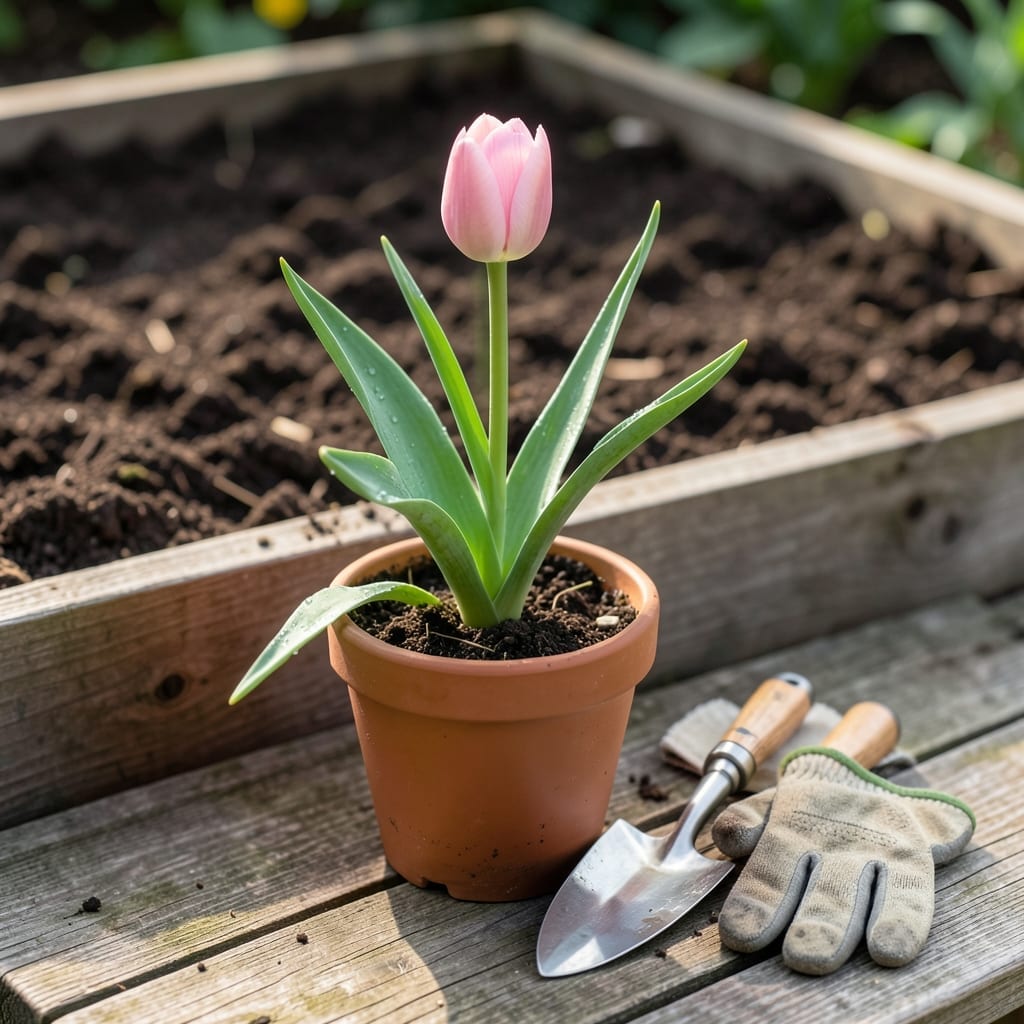
Timing is everything when transplanting potted Tulips—plant too early or too late, and you risk stunted blooms or no flowers at all.
The key is finding that sweet spot when the soil is still workable but cool enough for roots to establish before winter.
I’ve learned through trial and error that this small window makes all the difference for vibrant spring color. You’ll want to act before the first hard frost hits.
Discover the exact seasonal window to ensure your 🌷 Tulips thrive in their new home.
As a gardener, I’ve learned that fall is the ideal season to transplant potted tulips into the ground. This timing allows tulip bulbs to establish strong roots before winter dormancy, ensuring vibrant spring blooms. 🌷
The sweet spot is 4-6 weeks before your first hard frost. In most regions, this falls between September and November. Planting during this window gives bulbs enough time to anchor themselves without risking early sprouting.
| Planting Window | Ideal Months | Climate Note |
| Primary | September-November | 6+ weeks before frost |
| Secondary | August, December | Mild climates only |
| USDA Zone | 3-8 | Adjust for local frost |
For warmer climates (USDA Zones 7-8), you can push planting into early December. The bulbs still need 12-14 weeks of chilling to break dormancy. In these areas, I recommend pre-chilling bulbs in the fridge for 6-8 weeks before planting.
In colder regions (Zones 3-5), aim for early fall planting. The ground freezes quickly, so late September to mid-October is safest. I’ve seen tulips struggle when planted after November 1st in these zones.
Remember that soil temperature matters more than air temperature. Tulip bulbs root best when soil is below 60°F. I always check with a soil thermometer to confirm conditions are right.
If you miss the fall window, you can plant in early spring, but expect reduced blooms the first year. The bulbs won’t have established as well. I’ve had success with spring planting by watering deeply and applying bulb fertilizer immediately.
For container-grown tulips, the rules are similar, but I give them extra attention. Their roots are already active, so minimize root disturbance during transplanting. Plant at the same depth they were in the pot.
In my experience, morning planting on a cloudy day reduces transplant shock. The cooler temperatures and lower evaporation give the bulbs a better start. I always water thoroughly after planting to settle the soil.
Finally, mark your planting spots! It’s easy to forget where you’ve planted tulip bulbs. I use biodegradable flags or plant markers so I don’t accidentally dig them up during other garden tasks.
With proper timing, your transplanted tulips will reward you with beautiful spring color for years to come. 🌿
I’ve found that moving potted tulips to the ground works best when you prepare the soil first. Loosen the earth to 12 inches deep and mix in compost for drainage and nutrients.
Next, dig planting holes that are 2-3 times deeper than the bulb’s height. This gives roots room to establish before winter dormancy.
I always water thoroughly after planting to help the soil settle. This also ensures the roots make contact with the earth for better nutrient uptake.
For post-planting care, I keep the soil consistently moist but not soggy. Too much water can cause bulb rot, especially in clay-heavy soils.
A light mulch layer of straw or shredded leaves helps insulate the bulbs during cold snaps. This mimics their natural habitat and prevents frost heave.
Finally, I mark the planting spot with garden stakes to avoid disturbing the area. This is especially helpful in early fall when new growth isn’t visible yet. 🌷