
Beautiful Plants For Your Interior
Beautiful Plants For Your Interior
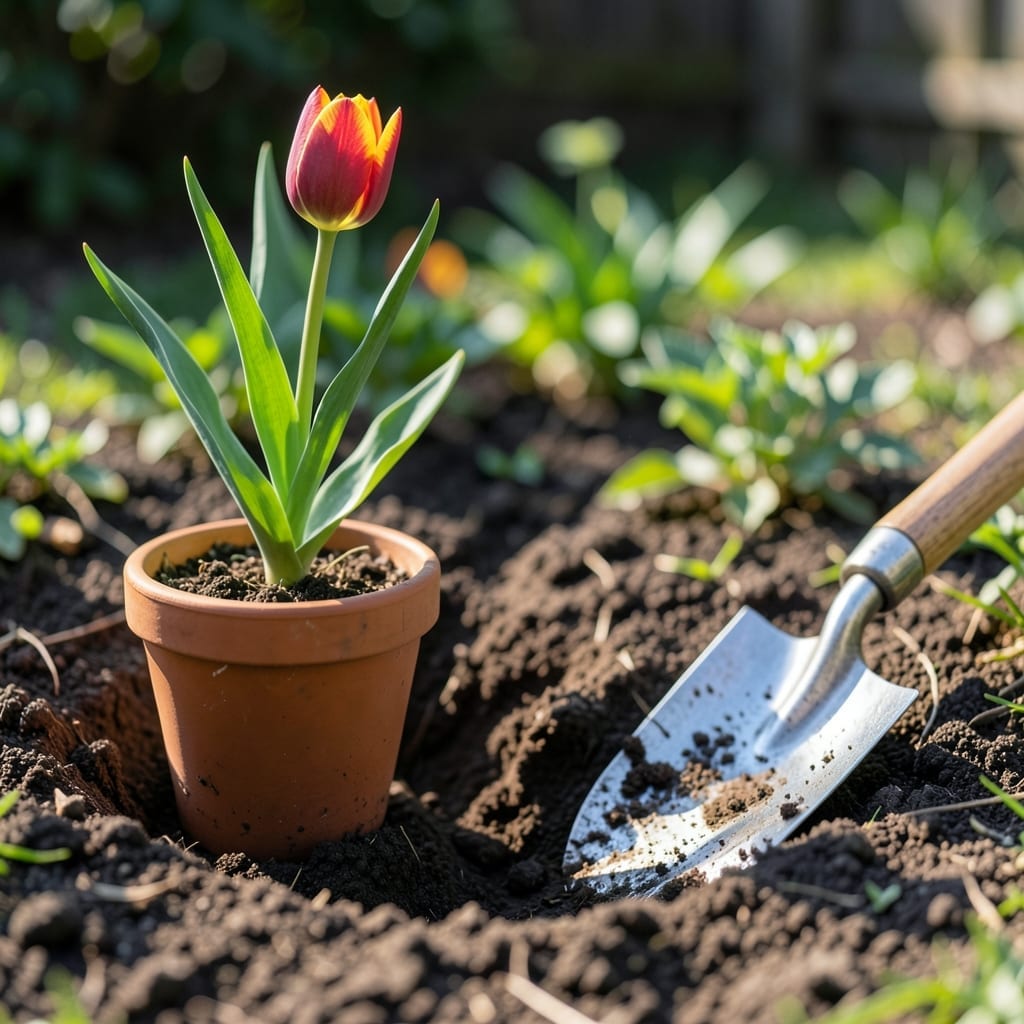
Potted Tulips 🌷 bring vibrant color indoors, but moving them to your garden at the right time ensures they’ll thrive and bloom again next year.
Timing is everything—plant too early or too late, and you risk stunting their growth or losing them entirely. I’ve learned the hard way that fall is the most important season for this transition.
Whether you’re in Zone 6a or adjusting for your local climate, getting the timing right makes all the difference. Let me share what works best.
Discover the ideal window and steps to ensure your Tulips take root and flourish when spring arrives.
Timing your tulip transplant correctly is key to vibrant spring blooms. The ideal window is fall planting, about 6-8 weeks before your first hard frost. This gives bulbs time to establish roots before winter.
In most USDA Zones 3-7, that means October or November. Warmer climates (Zones 8-10) may need pre-chilled bulbs planted in late fall or early winter for best results.
| Planting Factor | Ideal Condition |
| Best Time | Fall (6-8 weeks before frost) |
| Soil Temp | Below 60°F |
| Sunlight | Full sun (6+ hours) |
| Depth | 6-8 inches deep |
| Spacing | 4-6 inches apart |
I always check my local frost dates to pinpoint the perfect time. In Zone 6, for example, planting in mid-October usually hits that sweet spot before the ground freezes.
Soil temperature is crucial—below 60°F signals tulips to root rather than sprout. Use a soil thermometer if you’re unsure. Too warm, and they may start growing prematurely.
For spring planting of potted tulips, wait until after the last frost when soil is workable. These may bloom that year but often perform better the following spring after proper fall rooting.
If you miss the fall window, you can still plant in early spring, but expect smaller blooms the first year. The bulbs need that cold period to reset their growth cycle.
In mild winter regions like the Pacific Northwest, tulips can go in as late as December. Just ensure they get 12-14 weeks of chilling below 50°F for best results.
I’ve found that container-grown tulips adapt well to ground planting if their roots aren’t root-bound. Gently loosen the roots before transplanting to encourage outward growth.
Remember, well-draining soil prevents bulb rot. Amend heavy clay with compost or sand. Tulips hate soggy feet—this is non-negotiable for their survival.
After planting, water thoroughly to settle the soil and eliminate air pockets. A 2-3 inch mulch layer helps insulate against temperature swings and retains moisture.
Finally, mark your planting spots! It’s easy to forget where those dormant bulbs are hiding when spring cleaning the garden. I use biodegradable flags or a simple map.
🌷Transplanting potted tulips to the ground requires careful handling to prevent root shock. I always start by watering the potted tulips thoroughly the day before transplanting.
This helps the root ball hold together and reduces stress. Choose a cloudy day or transplant in the early morning to minimize heat stress on the plants.
✓ Step 1: Water potted tulips 24 hours before transplanting
✓ Step 2: Dig hole 2x wider than the pot
✓ Step 3: Gently remove tulip from pot, loosen roots
✓ Step 4: Plant at same depth as in pot
✓ Step 5: Water deeply after planting
✓ Step 6: Apply 2-3″ mulch layer
✓ Step 7: Avoid fertilizing until spring
When removing the tulip from its pot, gently squeeze the container and tip it sideways. If the roots are circling, carefully tease them apart to encourage outward growth in the soil.
The planting hole should be twice as wide as the pot but no deeper. Tulips planted too deep may fail to sprout. I use a hand trowel to create a hole that allows the bulb to sit at the same level it was in the container.
After placing the tulip in the hole, backfill with soil and press gently to remove air pockets. Water immediately with 1-2 inches of water to help the soil settle around the roots.
A mulch layer of organic material like straw or shredded leaves helps retain moisture and insulate the soil. Just keep mulch 2-3 inches from the plant stems to prevent rot.
🌷