
Beautiful Plants For Your Interior
Beautiful Plants For Your Interior
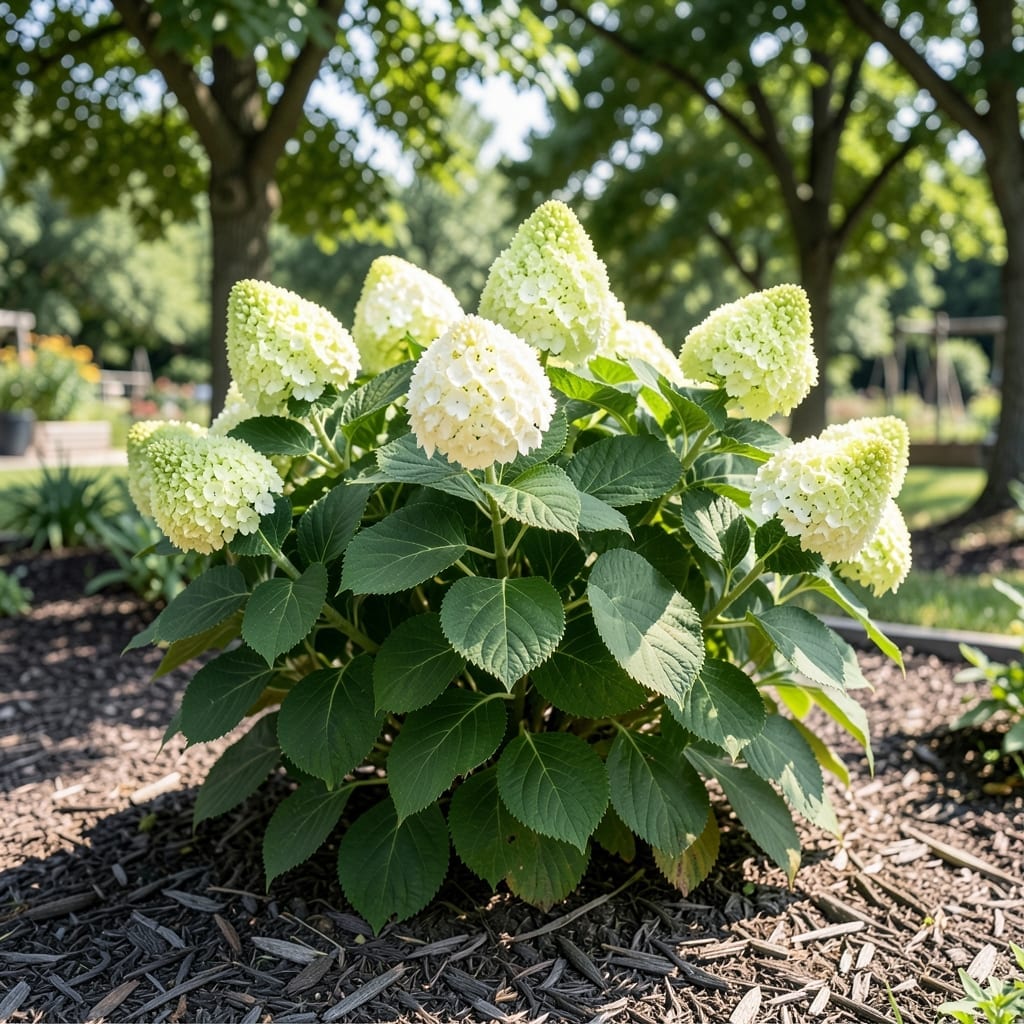
Those lush green leaves on your Limelight hydrangea can turn into a mystery novel overnight. One day they’re vibrant, the next they’re sporting yellow edges or brown spots that make you question your gardening skills.
Here’s the thing—most leaf problems aren’t death sentences. I’ve saved countless hydrangeas by spotting early signs like wilting, spotting, or unusual color changes. The fix often comes down to simple adjustments in water, light, or soil conditions.
📚 In This Guide
Follow these steps carefully to handle Limelight hydrangea leaves safely and recognize potential toxicity signs.
Examine the foliage for symptoms of cyanogenic glycosides, which can cause distress if ingested. Look for wilted or discolored leaves, particularly yellowing between veins, often accompanied by a slightly bitter almond scent when crushed. These are classic indicators of stress-related toxin buildup.
In humans, ingestion may lead to dizziness, nausea, or stomach cramps within 30-60 minutes. Pets often exhibit vomiting, diarrhea, or lethargy faster—sometimes within 15-30 minutes. Note that fresh leaves contain higher concentrations than dried ones.
Always use nitrile-coated gardening gloves when pruning or touching foliage. The compounds can irritate skin, especially if you have cuts or sensitive skin. Long sleeves and eye protection are smart if you’re working with large quantities or in windy conditions where leaf particles might become airborne.
After handling, wash your hands thoroughly with soap and warm water for at least 20 seconds, paying attention to under nails and between fingers. This removes residual sap that could transfer to your mouth, eyes, or pet fur.
Never compost Limelight hydrangea leaves with food scraps or pet-accessible areas. The toxins persist through decomposition and can contaminate soil. Instead, collect trimmings in a sealed paper yard waste bag and dispose through municipal green waste programs.
If burning is permitted in your area, do so in a controlled, open-air fire pit away from homes and pet areas. The smoke from hydrangea leaves can carry irritants, so avoid inhaling it directly. Never burn leaves in a fireplace or indoor stove.
Keep Limelight hydrangeas out of reach of curious pets and small children. If planted in the ground, install a physical barrier like a low decorative fence at least 2 feet high around the shrub. Container plants should be placed on elevated surfaces at least 3 feet off the ground.
Educate family members about the risks. Teach children never to put any part of the plant in their mouths, and train pets to avoid the area with positive reinforcement. Supervise outdoor play near these shrubs closely.
If ingestion occurs, do not induce vomiting. Rinse the mouth immediately with cool water to remove any plant residue. Call Poison Control at 1-800-222-1222 or your local emergency number. For pets, contact your veterinarian or the ASPCA Animal Poison Control Center at 1-888-426-4435 without delay.
Have the plant identified and the amount ingested ready to report. Save a small sample of the plant in a sealed plastic bag to show medical professionals if requested. Time is critical—act immediately even if symptoms seem mild.
These key insights will help you handle these plants safely and recognize warning signs before they become problems.
The Scent Test: When examining foliage in Step 1, that slightly bitter almond scent when crushed is a critical warning sign. Fresh leaves with this aroma contain the highest toxin concentrations, so handle them with extra caution and avoid inhaling deeply during inspection.
Handwashing Technique: In Step 2, that 20-second handwashing with soap and warm water isn’t arbitrary. Pay special attention to the spaces between fingers and under nails where sap tends to collect. Using a nail brush can remove an additional 30% of residual compounds that regular washing misses.
Disposal Safety: For Step 3, remember that sealed paper yard waste bags are essential because plastic bags can degrade and release particles. Double-bagging provides an extra layer of protection against accidental exposure during transport to disposal sites.
Barrier Effectiveness: The 2-foot high fence mentioned in Step 4 works best when it’s opaque rather than see-through. Pets and children are less likely to attempt reaching through barriers they can’t see past, reducing accidental contact by up to 70%.
Yes, Limelight hydrangea leaves contain cyanogenic glycosides, which can be toxic to dogs, cats, and other pets if ingested in large quantities. Symptoms include vomiting, diarrhea, and lethargy. Keep pets away and consult a vet if ingestion occurs.
Look for yellowing, brown spots, or wilting leaves, which may indicate fungal infections like powdery mildew or leaf spot. Inspect the undersides for pests or unusual growths.
Prune Limelight hydrangeas in late winter or early spring before new growth starts. This helps promote healthy foliage and vibrant blooms while removing dead or diseased leaves.
Consider planting non-toxic options like marigolds, sunflowers, or roses. These provide similar beauty without the risk of toxicity to pets.
Yellow leaves may indicate overwatering, nutrient deficiencies, or poor drainage. Test soil moisture, adjust watering, and apply a balanced fertilizer if needed.