
Beautiful Plants For Your Interior
Beautiful Plants For Your Interior
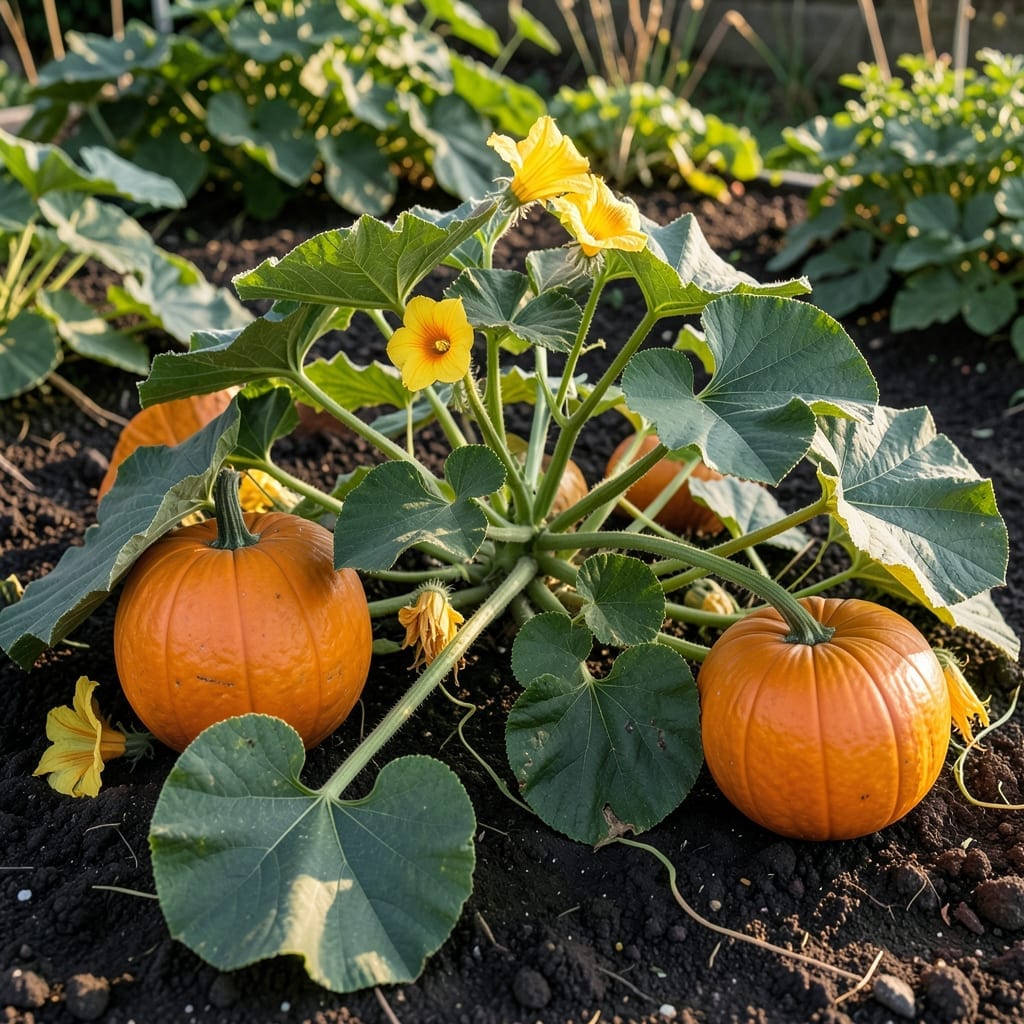
Cucurbitacin is a bitter-tasting compound found in some cucumber family plants. It acts as a natural defense against pests but can be toxic to humans in high doses, causing stomach issues or more severe reactions.
I’ve learned this compound serves as nature’s pest deterrent in plants like cucumbers, melons, and squash. 💫 What’s fascinating is how it develops—stress conditions or poor growing practices can increase its concentration. In my garden, I always taste-test a small piece first; if it’s bitter, I discard the whole plant to avoid any risk of poisoning.
💡 In This Article
This compound belongs to a class of chemicals called tetracyclic triterpenoids, which plants produce as a natural pesticide. Cucurbitacin deters herbivores by making the plant taste extremely bitter, often described as acrid or medicinal. The bitterness threshold is incredibly low—humans can detect it at concentrations as low as 1 part per million. 🌟
Plants ramp up cucurbitacin production under stress, like drought, nutrient deficiency, or pest attacks. Wild cucurbit varieties often contain higher levels than cultivated ones, as selective breeding has reduced bitterness in commercial crops. For example, wild cucumbers can have 10-20 times more cucurbitacin than store-bought varieties.
This adaptation helps wild plants survive in harsh conditions where pests are abundant.
What’s fascinating is how cucurbitacin works at the cellular level. It disrupts cell division in pests, particularly targeting their digestive systems and nervous tissue. This makes it highly effective against insects but also potentially dangerous to humans.
The compound is mostly concentrated in the plant’s leaves, stems, and rinds, though it can spread to the flesh under extreme stress. 💫
Cultivated varieties like zucchini, cucumbers, and melons have been bred to minimize cucurbitacin, but stress can trigger its production. For instance, uneven watering or sudden temperature swings can cause a normally sweet cucumber to develop dangerous bitterness.
Gardeners often report that the first fruits of the season are more likely to be bitter, as the plant is still adjusting to its environment.
Scientists have identified over 20 different types of cucurbitacins, each with varying levels of toxicity. Cucurbitacin B and E are the most common in edible crops, while types like cucurbitacin I and L are found in more toxic wild varieties.
This diversity allows plants to adapt their defense mechanisms to different environmental pressures and pest threats. ✨
It disrupts cell division in humans, particularly affecting the digestive system. Even small amounts can cause severe stomach pain, vomiting, or diarrhea within 30 minutes to 2 hours of ingestion.
Wild cucurbit varieties like buffalo gourd and bitter melon have the most. Cultivated types like zucchini and cucumbers usually have trace amounts, but stress can increase concentrations significantly.
No, heat doesn’t break it down. If a plant tastes bitter raw, it will still be unsafe after cooking. Always discard bitter-tasting produce, regardless of preparation method.
Provide consistent watering of 1-2 inches per week and balanced nutrients. Avoid using seeds from stressed plants, as bitterness can carry over to the next generation.