
Beautiful Plants For Your Interior
Beautiful Plants For Your Interior
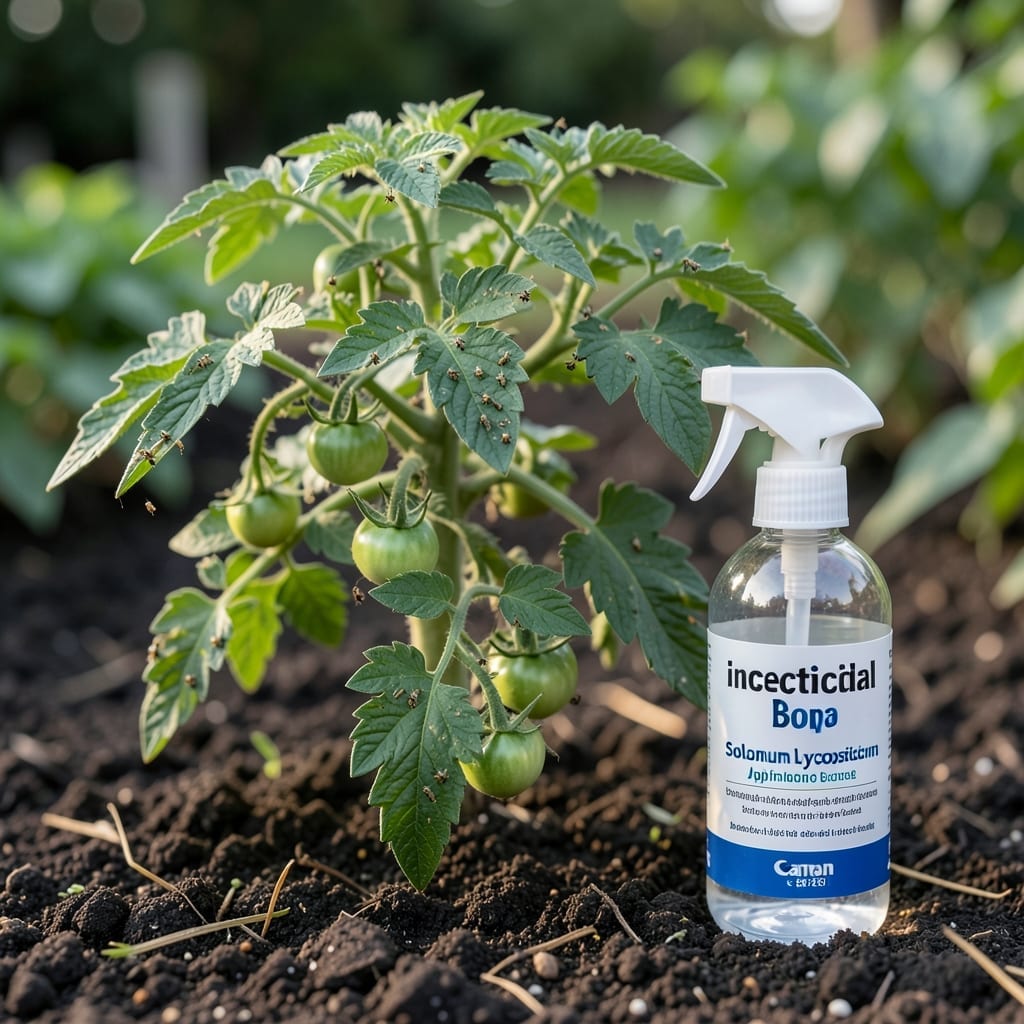
Insecticidal refers to any substance or treatment designed to kill or control insects, typically used in agriculture and gardening to protect plants from pests.
I’ve seen firsthand how these agents target pests at different life stages, from disrupting larval development to interfering with adult insect reproduction. 🌱 What many don’t realize is that some natural options, like neem oil or pyrethrin, work just as effectively as synthetic chemicals but with far less environmental impact. Choosing the right type depends on your specific pest problem and the plants you’re protecting.
💡 In This Article
These agents attack insects through multiple biological pathways. Nervous system disruptors like pyrethroids overload nerve cells, causing paralysis and death within minutes to hours. This mechanism mimics natural insecticides found in chrysanthemum flowers. 🌟
Growth regulators target insect development at a cellular level. Products containing hydroprene prevent larvae from maturing into adults, breaking the pest life cycle. This approach works particularly well against soft-bodied insects like aphids. ✨
Physical barriers create protection without direct toxicity. Diatomaceous earth particles damage insect exoskeletons, causing dehydration. A 1/16-inch layer can protect garden beds for weeks after application. 🔥
Systemic insecticides move through plant tissues, making every part toxic to feeding insects. When applied to soil, imidacloprid can protect plants for 4-6 weeks by turning sap into a deadly meal for pests. 💫
Contact insecticides require direct application to the pest. Neem oil disrupts feeding and reproduction while being safe for beneficial insects when used properly. Always apply during cooler parts of the day. ⚡
They break down insect cell membranes on contact, causing dehydration. These are particularly effective against soft-bodied pests like aphids and mites. Always apply when pests are active for best results.
Natural options like neem oil or pyrethrin typically break down faster and pose less risk to beneficial insects. However, all products require careful application to avoid harming non-target species.
Early morning or late evening is ideal, when beneficial insects are less active. Avoid applying during bloom if bees are present. Always check the weather—rain can wash away treatments.
No, different pests require different approaches. For example, Bacillus thuringiensis targets caterpillars but won’t affect aphids. Always match the product to your specific pest problem.