
Beautiful Plants For Your Interior
Beautiful Plants For Your Interior
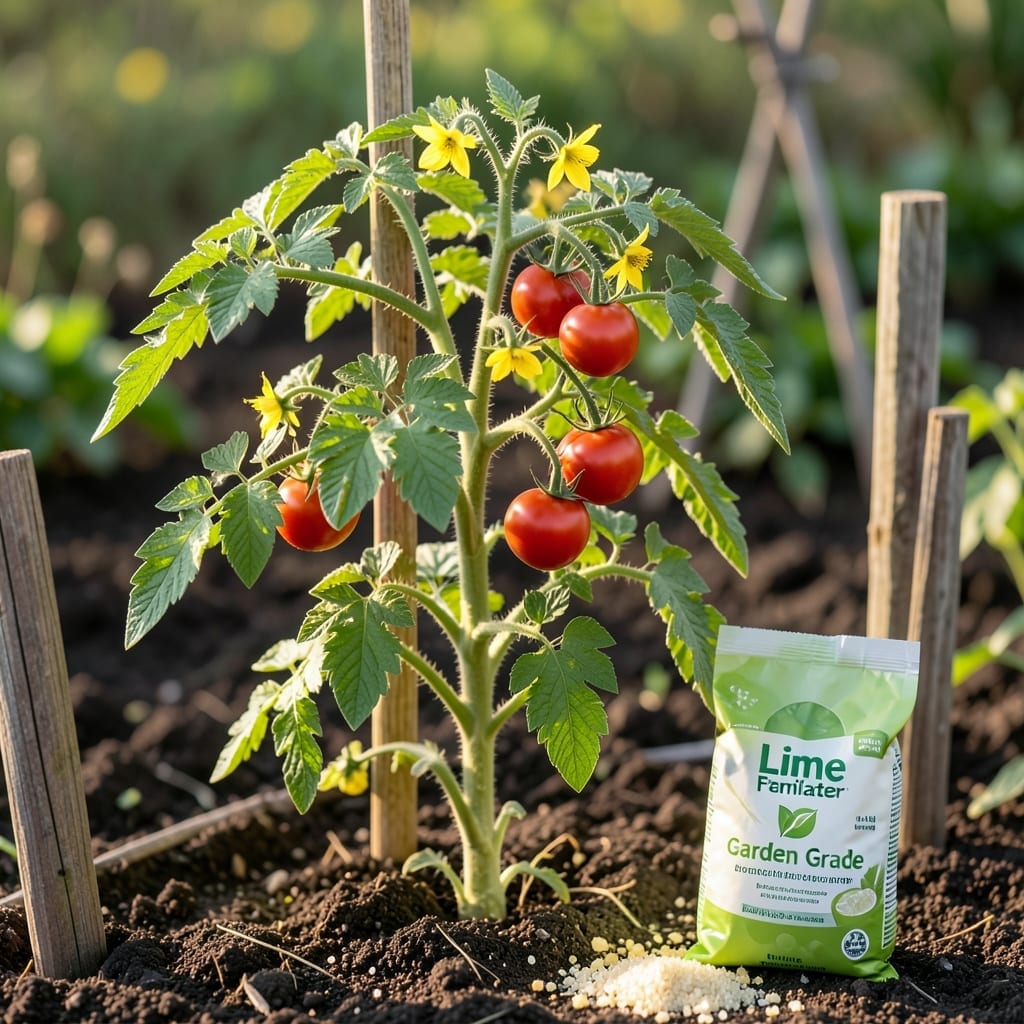
Yellow leaves on tomato plants often signal a soil pH issue. I’ve seen this problem wipe out entire crops until I figured out the simple fix.
Lime restores balance, unlocking nutrients your plants need to thrive. The key is applying it at the right time and in the right amount—too much can be just as harmful as too little.
Within 2-3 weeks of treatment, you’ll notice darker green leaves and stronger stems. The difference between struggling plants and vibrant growth is often just this one adjustment.
Works for container gardens, raised beds, or in-ground plantings. Here’s the exact method that saved my tomato harvest last season.
Yellowing leaves on tomato plants can stem from several underlying issues, each with distinct causes and solutions. Here’s a breakdown of the most common culprits:
Tomatoes are heavy feeders, and a lack of essential nutrients often triggers leaf discoloration. Nitrogen deficiency typically causes uniform yellowing of older leaves first, as the plant redirects nutrients to new growth. Magnesium deficiency (a common issue in lime-based soils) appears as yellowing between leaf veins, often called interveinal chlorosis. A soil test can confirm imbalances—amend with a balanced fertilizer or Epsom salt (for magnesium) as needed.
Excess water or compacted soil suffocates roots, reducing their ability to absorb oxygen and nutrients. This stress leads to yellowing, often accompanied by wilting. Tomato plants thrive in well-draining soil; ensure pots have drainage holes and garden beds are loose. Water only when the top inch of soil feels dry to avoid waterlogged roots.
Pathogens like Fusarium wilt or early blight can cause yellow patches or mottling on leaves. These often spread in humid conditions or through contaminated soil. Remove infected leaves immediately, improve air circulation, and apply a copper-based fungicide preventatively. Rotate crops yearly to reduce soilborne disease risk.
Extreme heat, cold snaps, or excessive sunlight can shock tomato plants, leading to yellowing. Heat stress may cause leaves to curl and turn pale, while cold damage often appears as purple-tinged yellowing. Use shade cloth during heatwaves and protect plants with row covers in cooler weather to mitigate stress.
When your lime tomato plants show signs of trouble, quick action can restore their health. Here’s a practical guide to solving the most common problems, along with prevention tips to keep them thriving.
Yellow leaves often signal nutrient deficiencies or overwatering. Test your soil—if it’s lacking nitrogen, magnesium, or iron, use a balanced fertilizer or targeted amendment. For overwatering, let the soil dry slightly between waterings and ensure proper drainage. Prevention tip: 💡 Stick to a consistent watering schedule and enrich soil with compost before planting.
Aphids and whiteflies love lime tomato plants. Spray them off with water or use insecticidal soap for mild cases. Introduce beneficial insects like ladybugs for a natural fix. Prevention tip: 🎯 Rotate crops yearly and remove plant debris to deter pests from returning.
Wilted or curled leaves? Your plants might be overheating. Provide afternoon shade with a cloth or move potted plants to a cooler spot. Mulch around the base to retain moisture. Prevention tip: ✨ Plant in well-ventilated areas and water deeply during early morning hours.
Spotted or moldy leaves point to fungal issues like early blight. Remove affected foliage and apply a copper-based fungicide. Space plants properly for airflow. Prevention tip: 🌱 Avoid overhead watering and keep the garden free of damp debris.
With these fixes, your lime tomato plants will bounce back—stay vigilant, and they’ll reward you with vibrant growth!
Apply lime 2-3 months before planting for best results, as it takes time to adjust soil pH. For existing plants, work it into the top 1-2 inches of soil. Avoid over-application—excess lime can lock out other nutrients.
Use dolomitic lime for magnesium-deficient soil or calcitic lime for calcium needs. Both raise pH effectively. Always test soil first—target a pH of 6.0-6.8 for optimal tomato growth.
Yes, if applied directly to leaves or stems. Always mix lime into soil, never dust it on foliage. Water thoroughly after application to prevent concentrated pockets that could harm roots.
Not directly—blossom end rot stems from calcium deficiency, often caused by uneven watering. While lime adds calcium, inconsistent moisture is the bigger issue. Maintain steady soil moisture for best results.