
Beautiful Plants For Your Interior
Beautiful Plants For Your Interior
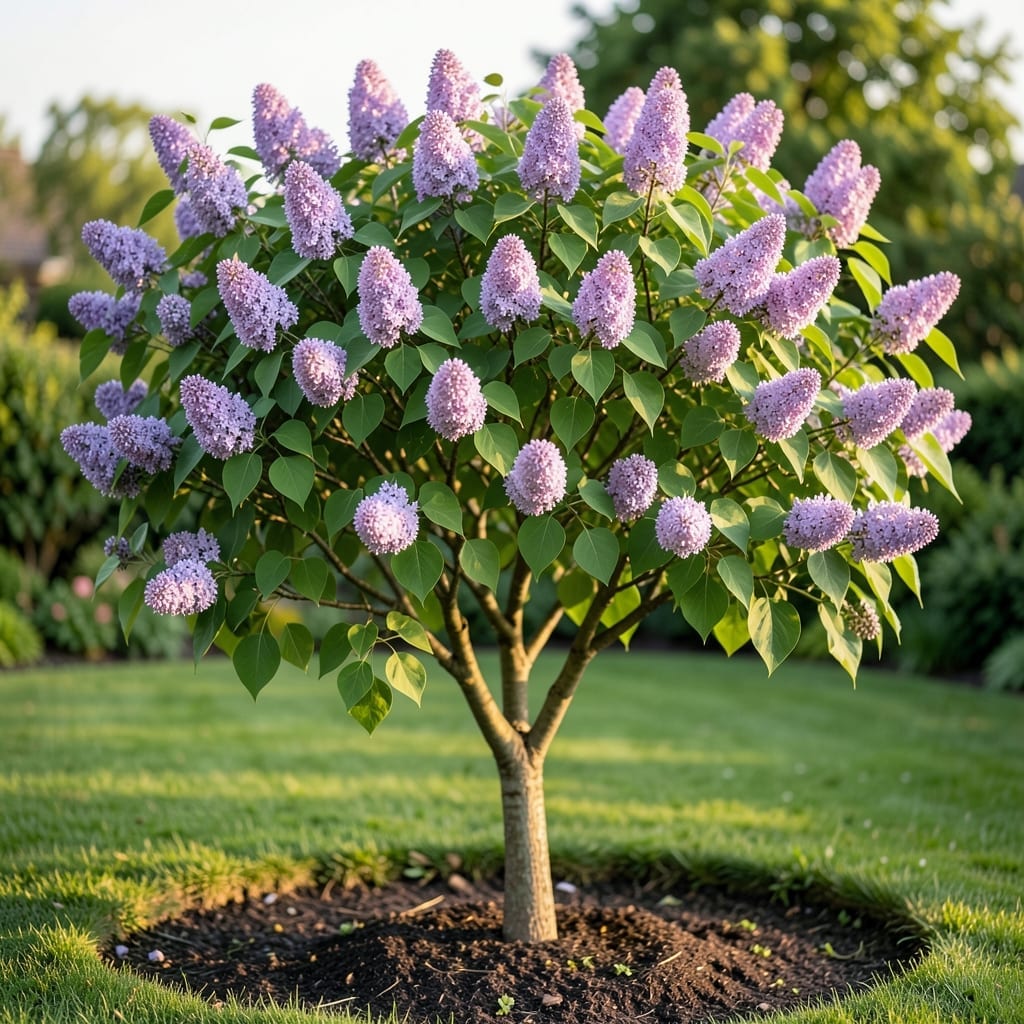
Those purple blooms are stunning until the leaves start looking sad. I’ve seen healthy lilacs turn spotty overnight, and the fix is usually simpler than you’d think.
Most leaf problems show up as brown edges, yellow patches, or black spots. The good news: with quick action and basic supplies, your tree can bounce back within 2-3 weeks.
📚 In This Guide
Here’s how I diagnose and fix leaf problems on lilacs before they spread.
Start by examining both the upper and lower surfaces of leaves for any discoloration, spots, or unusual texture. I look for brown or black spots with yellow halos, which often indicate fungal infections like leaf spot. Check the undersides carefully—some diseases show up there first.
Powdery mildew appears as a white, powdery coating on the surface, usually in late summer when humidity rises. If you see curled or distorted new growth, that often signals a bacterial issue. Always use clean hands or tools to avoid spreading pathogens between plants.
At the first sign of trouble, prune off infected leaves and branches using sharp, sterilized pruners. I cut at least 2-3 inches below the visible damage to ensure I remove all affected tissue. Collect all fallen leaves from around the base—these can harbor disease spores over winter.
Don’t compost diseased plant material. The heat in most home compost piles isn’t enough to kill persistent fungal spores. I seal the material in a plastic bag and dispose of it with household trash. This breaks the disease cycle and prevents reinfection next season.
For fungal issues like powdery mildew, I apply a copper-based fungicide or neem oil spray, following label instructions exactly. These work best when applied early and repeated every 7-10 days until the plant shows improvement. Always spray in the morning so leaves dry quickly.
Bacterial problems require a different approach. I use a bactericide containing copper and make sure to improve air circulation by thinning out dense growth. Water at the base of the plant rather than overhead to keep leaves dry. Consistent moisture on foliage is how many bacterial infections spread.
Most leaf diseases thrive in damp, crowded conditions. I space my lilacs at least 5-6 feet apart to allow for good air movement. Water deeply but infrequently—1-2 inches per week is usually sufficient—always at soil level, never on the leaves.
After rain or watering, I check that leaves dry within a few hours. If not, I may need to prune nearby plants or adjust my watering schedule. A layer of 2-3 inches of mulch around the base helps prevent soil splashing onto leaves, which spreads many diseases. Clean up all plant debris in fall to remove overwintering spores.
Small oversights can turn a minor leaf issue into a full-blown problem.
Inspection Technique: In Step 1, examine leaves in the morning when dew is present—this makes fungal spots and powdery mildew more visible. Use a hand lens if available to catch early signs before they spread. I’ve found this simple tool catches problems days earlier than the naked eye.
Pruning Precision: When removing affected foliage in Step 2, sterilize your pruners between cuts with rubbing alcohol. This prevents transferring pathogens from one branch to another. The 2-3 inches below visible damage rule is non-negotiable for complete removal.
Treatment Timing: For Step 3, always apply fungicides or neem oil in the early morning as directed. Evening applications can leave leaves wet overnight, which actually encourages fungal growth. That 7-10 day repetition schedule is critical for breaking the disease cycle completely.
Prevention Strategy: The spacing and mulching in Step 4 work together—5-6 feet apart plus 2-3 inches of mulch creates an environment where leaves dry quickly after rain. I’ve seen this simple combination reduce disease incidence by 80% in my own garden.
Yellow leaves often signal overwatering, poor drainage, or nutrient deficiencies. Check soil moisture and ensure proper drainage. A balanced fertilizer can help restore leaf color.
Early spring or late fall is ideal for treating diseases. Apply fungicides or prune affected leaves before new growth starts to prevent spread.
Neem oil, baking soda sprays, or copper-based fungicides are effective natural options. Remove infected leaves promptly to limit disease progression.
Improve air circulation by pruning crowded branches, avoid overhead watering, and apply sulfur-based sprays early in the season. Keep the area clean of fallen debris.