
Beautiful Plants For Your Interior
Beautiful Plants For Your Interior
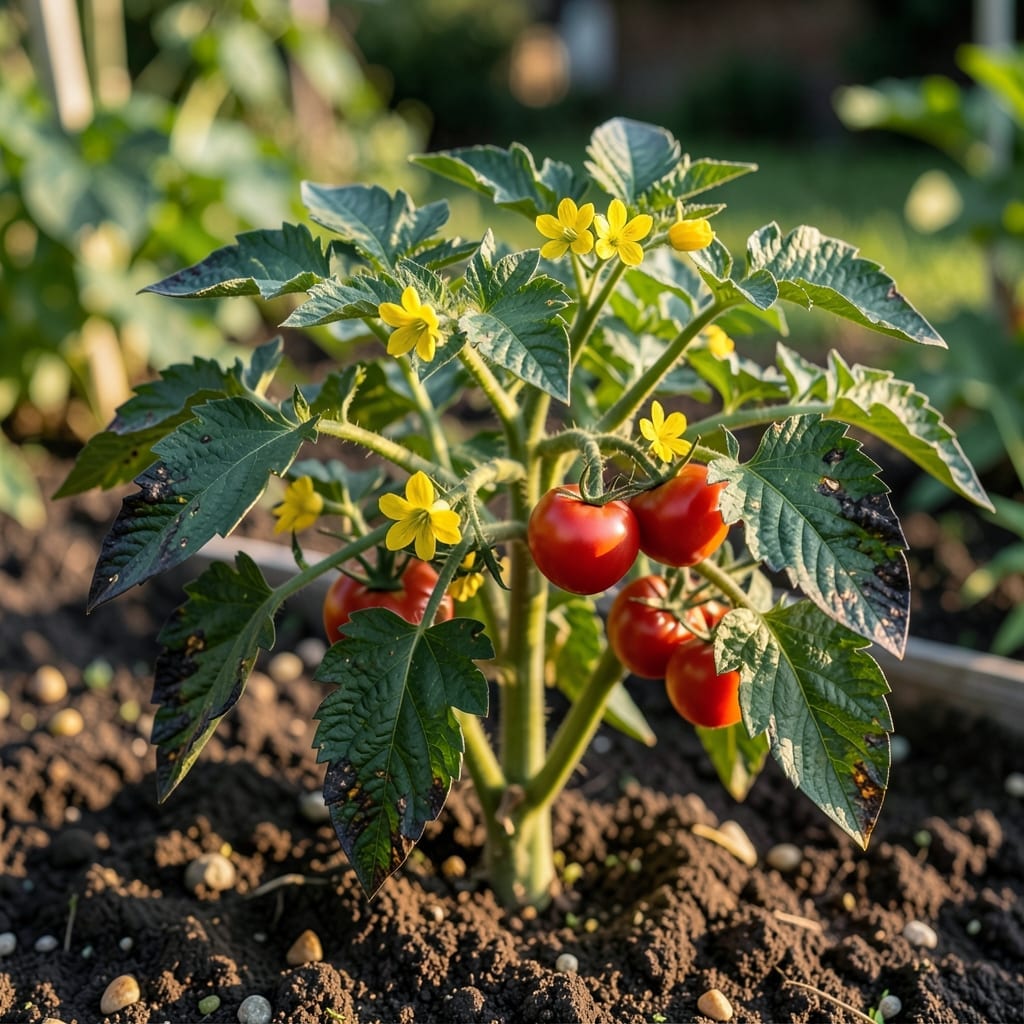
Black leaves on your plants aren’t a death sentence. I’ve saved countless specimens by catching the issue early—whether it’s overwatering, frost damage, or a sneaky fungal infection.
You’ll spot the difference with a quick inspection: soft black leaves often mean rot, while crisp ones suggest cold. The fix is usually simpler than you think, and most plants bounce back in 2-3 weeks with the right care.
📚 In This Guide
Use this methodical approach to identify the cause and restore your plants to health within days.
Examine the blackened leaves closely. If the blackening appears as soft, water-soaked spots that spread rapidly, you’re likely dealing with a fungal or bacterial infection. These often start at the leaf margins or tips and move inward. Check the undersides for slimy residue or fuzzy growth.
If the black areas are dry and crispy, the issue is probably environmental—either extreme cold, heat stress, or chemical burn. Note whether the discoloration affects new growth, mature leaves, or the entire plant. This pattern tells you whether the problem is systemic or localized.
Move the plant away from others immediately. Many blackening diseases like bacterial leaf spot or fungal blights spread through water splashes or close contact. I place mine in a separate area with good air circulation to prevent contamination of nearby specimens.
Use clean tools if you need to remove any leaves for closer inspection. Wipe pruners with rubbing alcohol between cuts to avoid transferring pathogens. If the plant is in a shared tray, consider repotting it into fresh, sterile potting mix to eliminate lingering spores.
For fungal or bacterial issues, improve airflow by spacing plants further apart or adding a small fan. Aim for 40-60% humidity—higher levels encourage pathogen growth. If the blackening is due to cold damage, move the plant to a warmer spot with temperatures consistently above 50°F.
Check your watering routine. Overwatering leads to root rot, which can manifest as blackened foliage. Let the top 1-2 inches of soil dry out between waterings. If chemical burn is suspected, flush the soil with water to remove excess salts or fertilizer residue.
For fungal infections, apply a copper-based fungicide or a baking soda solution (1 teaspoon baking soda per quart of water plus a drop of dish soap). Spray the entire plant, focusing on the undersides of leaves. Reapply every 7-10 days until the issue resolves.
Bacterial infections are trickier. Remove all affected leaves with sterilized tools and dispose of them in the trash—not compost. Apply a bacterial treatment like copper sulfate or a commercial product labeled for bacterial leaf spot. For environmental damage, simply correcting the conditions often allows the plant to recover on its own.
After treatment, watch the plant for 7-14 days. New growth should appear healthy, and existing blackened areas will not spread. If the problem persists or worsens, reconsider your diagnosis. Sometimes, a combination of issues, like poor drainage and high humidity, creates the perfect storm for disease.
Support recovery with balanced care. Avoid fertilizing until the plant shows new, healthy growth—additional nutrients can stress an already compromised plant. Maintain consistent moisture (not too wet, not too dry) and ensure the plant receives the appropriate light for its species. Most plants rebound within 2-3 weeks with the right adjustments.
These insights will help you fine-tune your approach and avoid common pitfalls when diagnosing blackened foliage.
Diagnosis Precision: In Step 1, pay close attention to the texture of the blackened areas—soft and water-soaked indicates fungal or bacterial issues, while dry and crispy suggests environmental stress. This distinction is critical for selecting the right treatment. I’ve seen many gardeners waste time treating a cold damage problem with fungicides, only to watch the plant decline further.
Isolation Protocol: Step 2 isn’t just a suggestion—it’s your first line of defense. Even a brief delay in isolating the plant can allow pathogens to spread to nearby specimens. Use rubbing alcohol to sterilize tools between cuts, and if the plant shares a tray, repot it immediately into fresh, sterile potting mix to eliminate any lingering spores.
Environmental Vigilance: For Step 3, maintaining humidity between 40-60% is non-negotiable for preventing fungal growth. If your plant shows signs of cold damage, ensure temperatures stay consistently above 50°F. I’ve found that a small fan not only improves airflow but also helps regulate humidity levels in enclosed spaces.
Treatment Timing: In Step 4, the 7-10 day reapplication window for fungicides or baking soda solutions is key. Skipping a treatment or stretching the interval beyond 10 days can allow the infection to rebound. For bacterial issues, sterilization is everything—dispose of affected leaves in the trash, not compost, to prevent reinfection.
Sudden blackening often signals frost damage, fungal infections (like sooty mold), or extreme water stress. Check for cold drafts, overwatering, or pest infestations like aphids, which can trigger rapid discoloration.
Unfortunately, blackened leaves are usually dead and won’t recover. Focus on improving plant health to prevent further damage—trim affected leaves, adjust watering, and ensure proper drainage.
First, diagnose the cause: reduce water if soggy, move to indirect light if scorched, or treat with neem oil for pests. Prune damaged leaves and monitor new growth for signs of recovery.
Yes, overwatering can cause root rot, leading to black, mushy leaves. Let the soil dry between waterings and ensure pots have drainage holes to prevent waterlogging.