
Beautiful Plants For Your Interior
Beautiful Plants For Your Interior
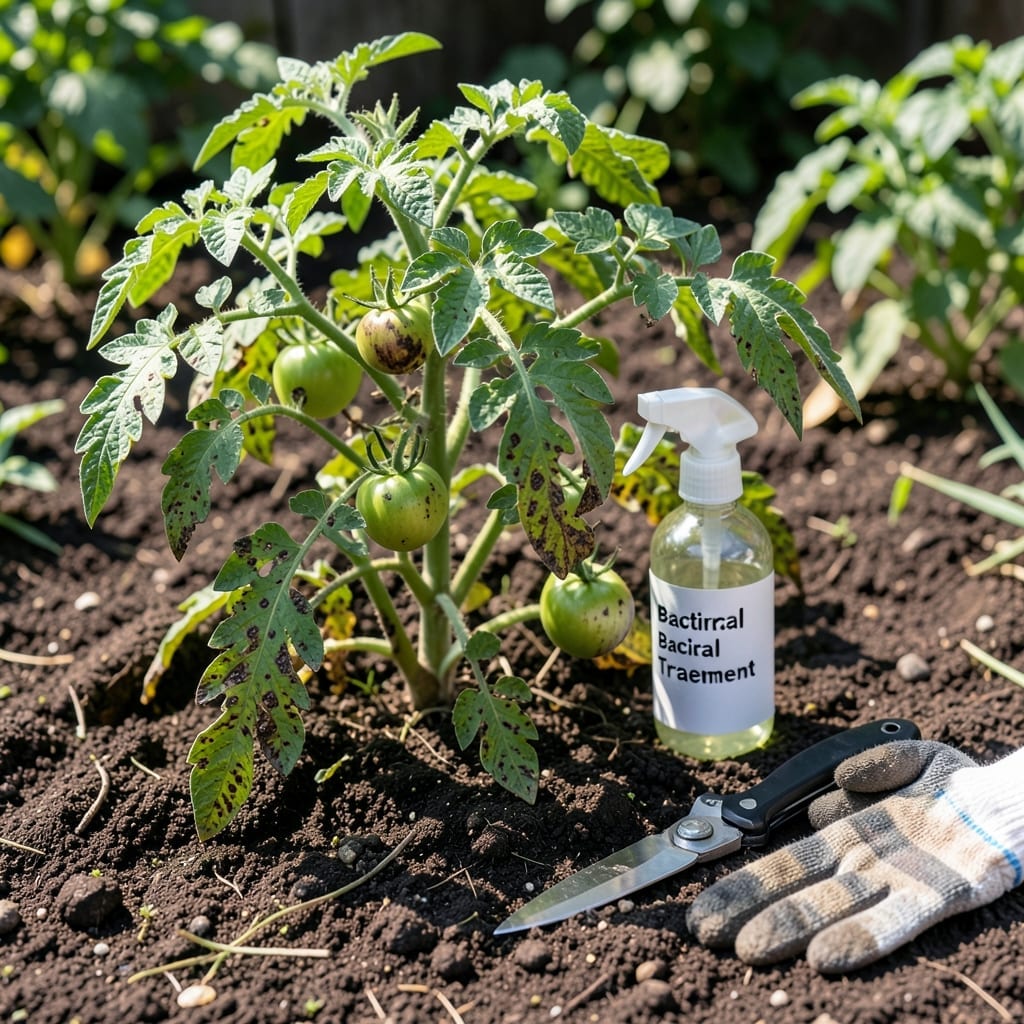
Those brown spots with yellow halos ruined my peppers last season. Between you and me, I almost gave up until I found a foolproof organic approach that saved the rest of my plants.
The key is acting fast before the bacteria spreads. Copper fungicides work, but I prefer neem oil or baking soda sprays—gentler on the garden and just as effective. Consistency is everything with this one.
Healthy foliage returns within 2-3 weeks if you catch it early. The leaves lose those ugly spots, and new growth comes in clean and strong. Your plants will thank you.
Works for tomatoes, peppers, and most leafy greens. Here’s exactly how to do it right.
Bacterial leaf spot is a frustrating issue for gardeners, but understanding its causes can help you prevent and manage it effectively. Below are the primary reasons this disease takes hold in your plants.
Bacteria thrive in wet conditions. Xanthomonas, Pseudomonas, and Erwinia—common culprits behind bacterial leaf spot—spread rapidly when leaves remain damp for extended periods. Overhead watering, poor drainage, or high humidity create the perfect breeding ground. Water at the base of plants and ensure proper airflow to reduce risk.
The bacteria can linger in soil or on gardening tools, waiting for an opportunity to infect new plants. If you’ve had bacterial leaf spot before, sterilize tools with a 10% bleach solution and rotate crops to break the disease cycle. Avoid working with plants when they’re wet, as this increases the chance of spreading pathogens.
Some plants are naturally more vulnerable. Tomatoes, peppers, lettuce, and beans are frequent targets. If bacterial leaf spot is a recurring problem, opt for resistant varieties labeled as disease-resistant (e.g., tomato cultivars with “VFN” or “BLS” in their names). Diversity in your garden can also limit the spread.
Dense plantings or lack of pruning restrict airflow, trapping moisture and encouraging bacterial growth. Space plants according to their mature size and prune regularly to improve ventilation. This simple step can significantly reduce the likelihood of infection.
Tackling bacterial leaf spot early can save your plants and restore their health. Below are targeted solutions for common causes, paired with actionable prevention tips to keep your foliage thriving. 🌿
Bacteria spread easily when leaves stay wet. Switch to drip irrigation or water at the base of plants to keep foliage dry. If using a hose, water early in the morning so leaves dry quickly in the sun. Prevention tip: 💡 Space plants properly for airflow to reduce humidity buildup.
Pruners, shears, or even your hands can transfer bacteria between plants. Clean tools with a 10% bleach solution or rubbing alcohol before and after each use. Prevention tip: ✨ Dedicate tools to specific plants or areas to minimize cross-contamination.
Crowded plants trap moisture, creating a breeding ground for bacteria. Thin out dense foliage and ensure plants are spaced according to their mature size. Prevention tip: 🎯 Prune regularly to open up the canopy and allow better airflow.
Stressed or malnourished plants are more susceptible to infections. Apply a balanced organic fertilizer to strengthen their natural resistance. Prevention tip: 🌱 Rotate crops annually to prevent soil-borne bacteria from lingering.
For active infections, remove and destroy affected leaves or plants (do not compost them). Treat remaining plants with a copper-based fungicide or neem oil spray, applying in the early morning or late evening. Prevention tip: 💡 Avoid overhead watering after treatment to let the solution work effectively.
With consistent application of copper fungicide or neem oil, you should notice new growth appearing healthy within 1-2 weeks. Existing spots won’t disappear, but the spread will stop.
Yes! A baking soda spray (1 tsp per quart of water with a drop of dish soap) can help prevent spread. Apply every 5-7 days for best results.
If caught early, most plants fully recover. Severe cases may require removing heavily infected plants to protect others. Always disinfect tools after handling.
Rotate crops, use disease-resistant varieties, and clean garden debris thoroughly. These steps break the bacteria’s life cycle effectively.