
Beautiful Plants For Your Interior
Beautiful Plants For Your Interior
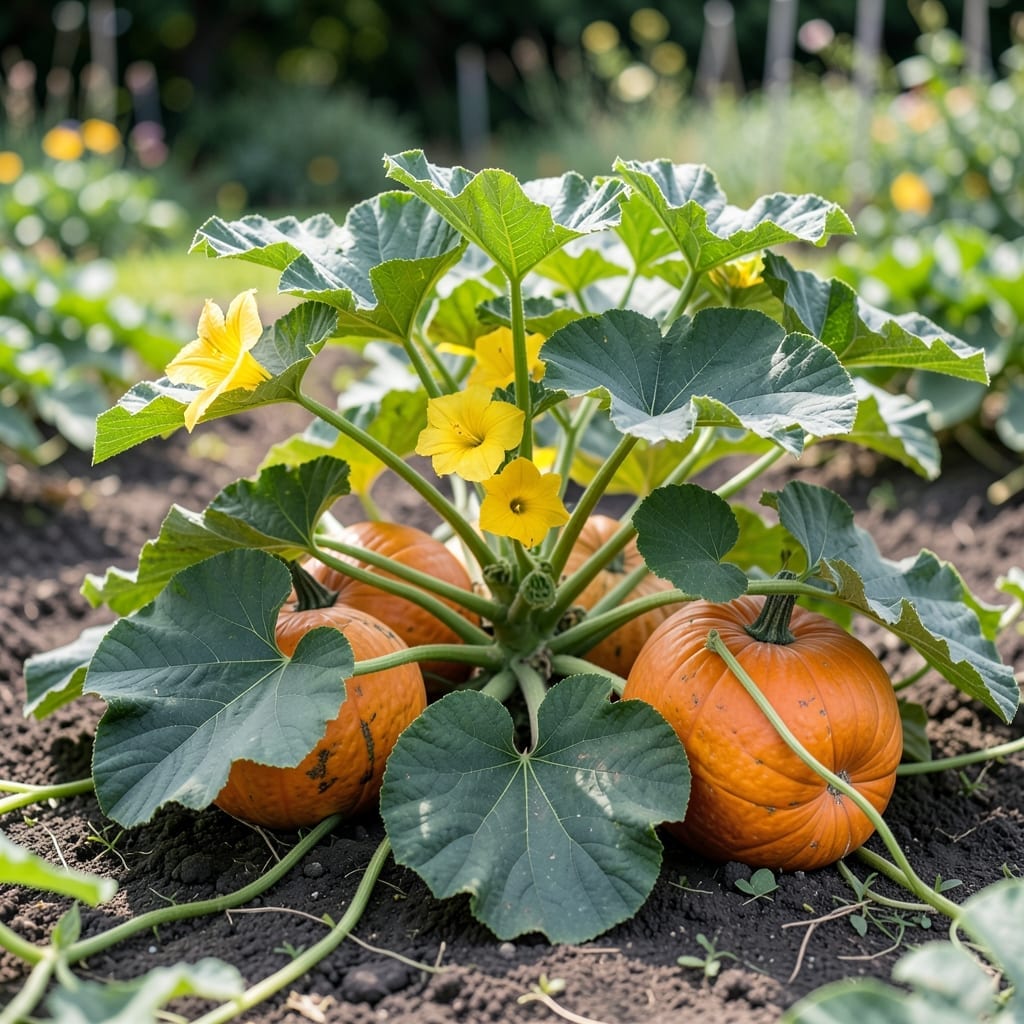
Yellow leaves on pumpkin vines always mean something’s wrong. I’ve seen healthy plants turn sickly overnight from too much water, not enough nutrients, or sneaky pests hiding underneath.
Here’s the thing—catching it early makes all the difference. Fix the issue now, and your vines will bounce back with vibrant green growth and keep producing right through the season.
📚 In This Guide
Here’s how to identify the issue and restore your plants to their vibrant, healthy state.
Start by checking whether the discoloration appears between veins or across the entire leaf surface. I look for yellowing between veins first, which often signals iron deficiency, while uniform yellowing usually points to nitrogen shortage or overwatering.
Note which leaves are affected—older leaves at the base typically yellow first with nitrogen deficiency, while new growth shows issues with iron or manganese. Also check the undersides for pests like spider mites, which cause stippling and webbing.
Push your finger 2 inches deep into the soil near the base of the plant. Pumpkins hate wet feet, and waterlogged roots quickly cause yellowing leaves. If the soil feels soggy or smells sour, you’re dealing with overwatering or poor drainage.
I also check the drainage holes in my containers or raised beds. Standing water after 24 hours means the soil isn’t draining properly. In ground plantings, look for water pooling around the base after rain—this can suffocate roots and trigger yellowing.
Use a soil test kit to check pH and nutrient levels. Pumpkins thrive in slightly acidic to neutral soil (pH 6.0-7.0). If pH is too high, iron becomes unavailable even when present, causing interveinal yellowing on new leaves.
For nitrogen deficiency, I apply a balanced fertilizer or side-dress with compost. When iron is the issue, chelated iron supplements work quickly. Remember that over-fertilizing can burn roots and create more problems, so always follow package instructions precisely.
Turn leaves over to spot tiny pests like aphids or whiteflies, which cause yellowing through their feeding and by spreading viruses. I’ve found that a strong blast of water can dislodge many soft-bodied pests before they cause serious damage.
Look for powdery mildew—white powdery spots on leaves that eventually turn yellow. This fungal disease thrives in humid conditions. Remove affected leaves immediately and improve air circulation. Copper-based fungicides can prevent spread when applied at first sign.
Once you’ve identified the cause, take corrective action. For water issues, adjust your watering schedule to maintain consistently moist but not soggy soil. For nutrient deficiencies, apply appropriate amendments and retest soil after 2-3 weeks.
I always monitor plants closely after treatment. Healthy pumpkin leaves should be deep green with no spots or discoloration. If yellowing spreads despite your efforts, reconsider your diagnosis—sometimes multiple issues occur simultaneously, especially in stressful growing conditions.
Small details in diagnosis and treatment often mean the difference between revival and recurring issues.
Diagnosis Precision: In Step 1, pay close attention to the pattern—interveinal yellowing (between veins) typically signals iron deficiency, while uniform yellowing suggests nitrogen shortage. I always examine both old and new leaves, as older leaves yellow first with nitrogen issues, while new growth shows iron or manganese problems.
Soil Moisture Check: When testing drainage in Step 2, the 2-inch finger test is crucial. If soil feels soggy or smells sour at this depth, you’re definitely overwatering. Standing water after 24 hours in containers confirms poor drainage—address this immediately to prevent root suffocation.
Treatment Timing: After applying amendments in Step 5, resist the urge to retest soil immediately. Nutrient adjustments need 2-3 weeks to show results in plant health. I’ve found that monitoring leaf color changes during this period gives you the clearest indication of whether your treatment is working.
Yellowing leaves often indicate nutrient deficiencies (like nitrogen), overwatering, or pests like aphids. Check soil moisture and inspect leaves for spots or insects to pinpoint the issue.
If the cause is treatable (e.g., nutrient deficiency or pest infestation), leaves may recover with proper care. Severely damaged leaves won’t regreen, but new growth should appear healthy.
Act quickly at the first sign of yellowing. Early intervention (adjusting water, adding fertilizer, or using pesticides) prevents further damage and supports plant recovery.
Try compost tea for nutrients or neem oil for pests. Ensure good drainage and avoid overwatering. Epsom salt spray can help if magnesium deficiency is the culprit.
Yes! Removing severely yellow or diseased leaves improves airflow and directs energy to healthy growth. Use clean pruners to avoid spreading infection.