
Beautiful Plants For Your Interior
Beautiful Plants For Your Interior
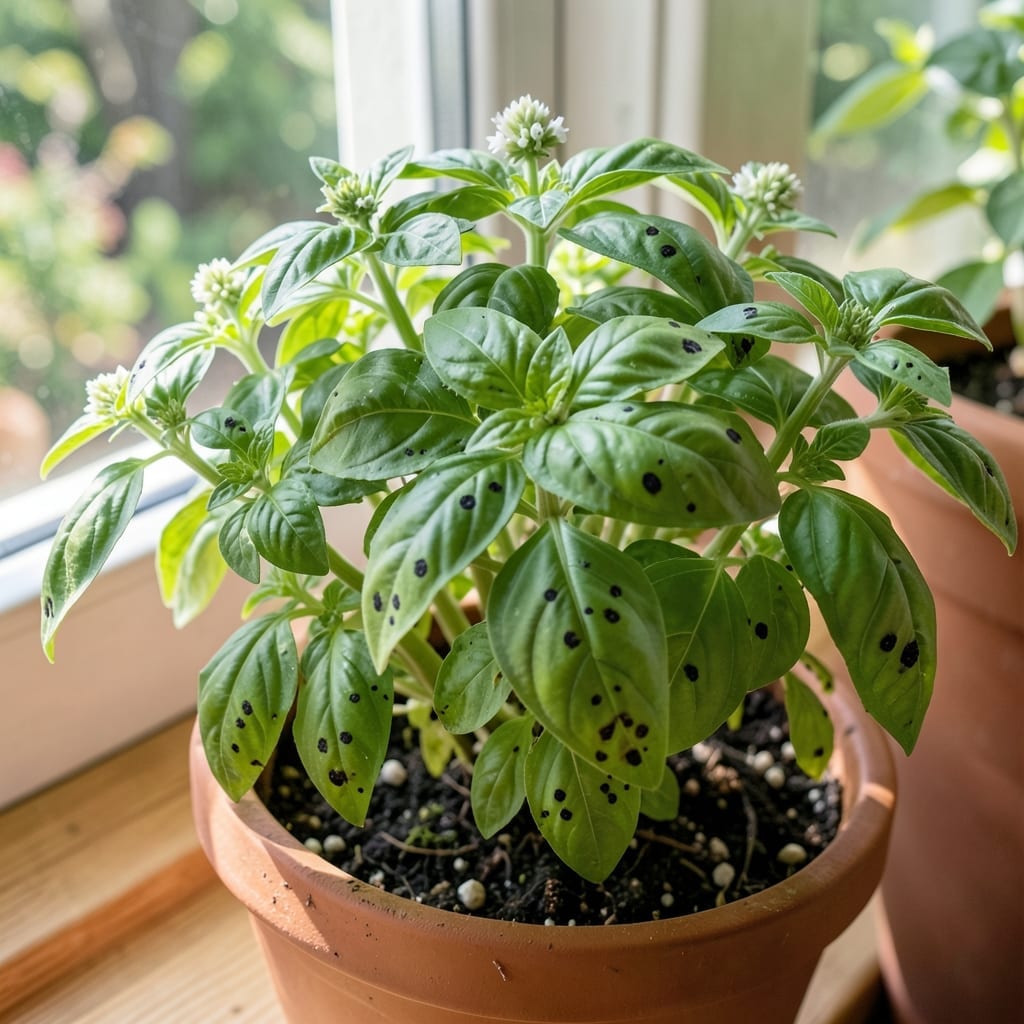
Those dark splotches on your basil aren’t just ugly—they’re a distress signal. I lost an entire windowsill of plants to this last summer before figuring out the pattern.
Black spots usually mean one of three things: fungus spreading from wet leaves, pests leaving their mark, or your plant protesting its growing conditions. The good news? All three are fixable with simple adjustments.
You’ll start seeing improvement within 3-5 days of treatment. The key is acting fast before the problem spreads to neighboring plants or takes over your entire crop.
Works for container gardens, raised beds, or indoor setups. Here’s exactly what to look for and how to stop it.
Black spots on basil leaves are a sign of distress, often caused by a mix of environmental, fungal, or bacterial factors. Understanding the root cause is key to restoring your plant’s health. Below are the most common culprits, explained in clear, actionable terms.
Fungi like Colletotrichum (anthracnose) or Pseudoperonospora belbahrii (downy mildew) thrive in damp, poorly ventilated conditions. These pathogens produce dark, irregular spots on leaves, often with yellow halos. Overwatering, high humidity, or wet foliage (e.g., from overhead watering) accelerates their spread. Fungal spores can also linger in soil or garden debris, reinfecting plants season after season.
Pseudomonas or Xanthomonas bacteria enter through wounds or stomata (leaf pores), creating small, water-soaked black or brown spots. These spots may merge into larger, necrotic patches. Bacteria spread via contaminated tools, splashing water, or infected plant debris. Warm, wet weather—especially in crowded gardens—exacerbates outbreaks.
Extreme conditions weaken basil, making it vulnerable to secondary infections. Overwatering leads to root rot, reducing the plant’s ability to absorb nutrients and fight off pathogens. Underwatering, on the other hand, causes leaf scorch, which can manifest as dark, crispy spots. Poor air circulation (common in indoor setups) traps moisture, while sudden temperature drops or excessive sun exposure can shock the plant, triggering spot formation.
Insects like aphids, thrips, or spider mites pierce basil leaves to feed, creating entry points for fungi and bacteria. Their feeding also causes stippling—tiny black or brown specks—that may expand into larger spots. Additionally, pest infestations stress the plant, reducing its natural defenses against diseases.
While less common, imbalances in essential nutrients (e.g., calcium, magnesium, or potassium) can lead to leaf discoloration, including black or dark brown spots. Calcium deficiency, for example, causes blossom end rot-like symptoms on leaves, while potassium shortages may result in scorched edges and spots. A soil test can confirm deficiencies.
Tackling black spots on basil leaves starts with identifying the cause and applying the right fix. Here’s a practical guide to restore your plant’s health:
Fungal issues like Colletotrichum or leaf spot thrive in damp, crowded conditions. Remove infected leaves immediately to prevent spread. Thin out dense foliage to boost airflow, and water at the base (not overhead) to keep leaves dry. Apply a copper-based fungicide or a DIY mix of 1 tsp baking soda + 1 quart water + a few drops of dish soap every 5–7 days until the spots fade.
Prevention tip: 💡 Space plants 12–18 inches apart and water in the morning so leaves dry quickly.
Aphids and mites leave sticky residue that invites sooty mold (black spots). Blast them off with a strong stream of water, then spray leaves with neem oil or insecticidal soap (follow label instructions). For stubborn infestations, introduce ladybugs or lacewings as natural predators.
Prevention tip: 🎯 Inspect leaves weekly and keep the garden free of debris where pests hide.
Overwatering, poor drainage, or sudden temperature swings stress basil, leading to discoloration. Let the top inch of soil dry between waterings, and ensure pots have drainage holes. If growing indoors, avoid cold drafts or direct heat sources. Move potted basil to a spot with 6–8 hours of sunlight daily.
Prevention tip: ✨ Use a well-draining potting mix (add perlite) and rotate containers for even light exposure.
Yellowing leaves with black spots may signal a magnesium or potassium deficiency. Amend soil with compost or a balanced organic fertilizer (10-10-10). For quick fixes, use Epsom salt (1 tbsp per gallon of water) for magnesium or banana peel tea (soak peels in water for 48 hours) for potassium.
Prevention tip: 📊 Test soil annually and fertilize every 4–6 weeks during the growing season.
No, but trim affected leaves before consuming. Fungal or bacterial spots won’t harm you, but they can taste bitter and may spread to other plants.
Yes, if the roots are healthy. Remove all spotted leaves, improve airflow, and treat with fungicide. Most basil recovers within 1-2 weeks with proper care.
Poor air circulation and high humidity indoors create perfect conditions for fungal growth. Use a small fan on low and water at the base only.
It helps, but you must also address the root cause. Remove infected foliage, then check watering habits, airflow, and pest presence.