
Beautiful Plants For Your Interior
Beautiful Plants For Your Interior
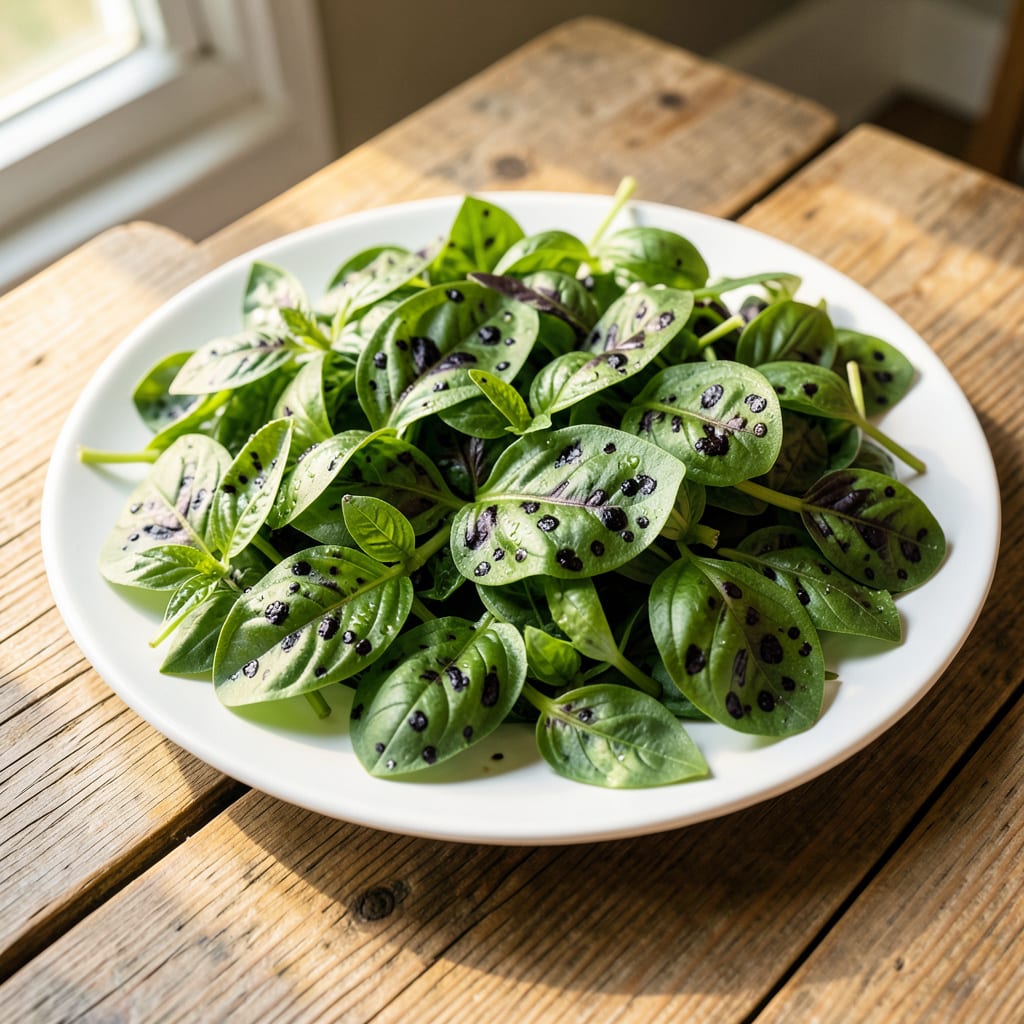
Those black spots on your basil leaves aren’t just unsightly—they’re a warning. I’ve lost entire plants to this exact problem, and the solution always starts with figuring out what’s actually causing the damage.
More often than not, it’s either too much water drowning the roots or a sneaky bacterial infection spreading between leaves. Left unchecked, those spots multiply fast, turning healthy foliage yellow and brittle within days.
Here’s the thing—fixing it requires more than just wishful thinking. You’ll need to adjust your watering habits, improve airflow, and sometimes prune away the worst of the damage to save the rest.
Good news: with the right approach, your basil can bounce back in 1-2 weeks. Let’s get to the root of the problem before it spreads further.
Black spots on basil leaves are usually a sign of underlying issues, often tied to environmental stress or pathogens. Below are the most common causes, explained with actionable insights.
Excess moisture is a primary culprit. When basil roots sit in waterlogged soil, they suffocate, leading to root rot. This stress weakens the plant, making leaves develop dark, mushy spots. Poor drainage or heavy clay soil exacerbates the problem. Fix it: Ensure pots have drainage holes and use well-draining soil mixes with perlite or sand.
This bacterium thrives in wet, humid conditions, entering leaves through stomata or wounds. It causes small, water-soaked black spots with yellow halos, often merging into larger patches. The bacteria spread via splashing water or contaminated tools. Fix it: Remove infected leaves immediately, avoid overhead watering, and apply copper-based bacteriocides.
Fungi like Colletotrichum cause anthracnose, leading to sunken, dark spots with irregular edges. Spores flourish in warm, damp environments (70–80°F with high humidity). Fix it: Improve air circulation, space plants apart, and treat with neem oil or fungicides labeled for edible herbs.
Extreme temperature swings, cold drafts, or direct hot sunlight can scorch basil leaves, creating black or brown necrotic spots. Basil prefers consistent temps (60–75°F) and partial shade in peak heat. Fix it: Move potted basil indoors during cold snaps or provide shade cloth in summer.
Sap-sucking pests like aphids or spider mites weaken leaves, making them prone to secondary infections that cause blackening. Their feeding also leaves behind sticky residue (honeydew), which can grow sooty mold. Fix it: Inspect undersides of leaves and treat with insecticidal soap or a strong water spray.
Tackling black spots on basil leaves starts with identifying the cause and applying the right fix. Here’s a practical guide to restoring your plant’s health.
If soggy soil is the culprit, let your basil dry out between waterings. Stick your finger an inch into the soil—if it feels damp, hold off on watering. Repot the plant in fresh, well-draining soil if root rot is suspected. Use containers with drainage holes to prevent waterlogging.
Prevention tip: Water only when the topsoil is dry, and always use pots with drainage. 💡
Remove infected leaves immediately to stop the spread, and avoid overhead watering—wet foliage fuels bacteria. Apply a copper-based fungicide or a DIY spray of 1 tsp baking soda + 1 quart water + a few drops of dish soap. Spray every 5–7 days until the issue clears.
Prevention tip: Space plants for airflow, sanitize tools, and water at the base. ✨
For fungal black spots, improve air circulation and reduce humidity. Trim affected leaves and treat with neem oil or a fungicide. If the fungus persists, replace the top layer of soil to remove spores.
Prevention tip: Keep leaves dry and avoid crowding plants. 🌡️
If pests like aphids or thrips are causing spots, wash leaves with soapy water or use insecticidal soap. Introduce beneficial insects like ladybugs for natural control.
Prevention tip: Inspect plants regularly and keep the garden clean. 🎯
With consistent care and quick action, your basil can bounce back to its vibrant, spot-free self!
Not always—overwatering or sunburn can also cause dark patches. Check soil moisture and light exposure first before assuming it’s an infection.
Only if the issue is environmental, like minor sunburn. For fungal or bacterial spots, discard affected leaves to avoid potential contaminants.
Improve drainage, space plants for airflow, and water at the base. Avoid wetting leaves, especially in humid weather.
Remove infected leaves immediately, then apply neem oil or a baking soda spray. Copper fungicides work best for bacterial issues.
