
Beautiful Plants For Your Interior
Beautiful Plants For Your Interior
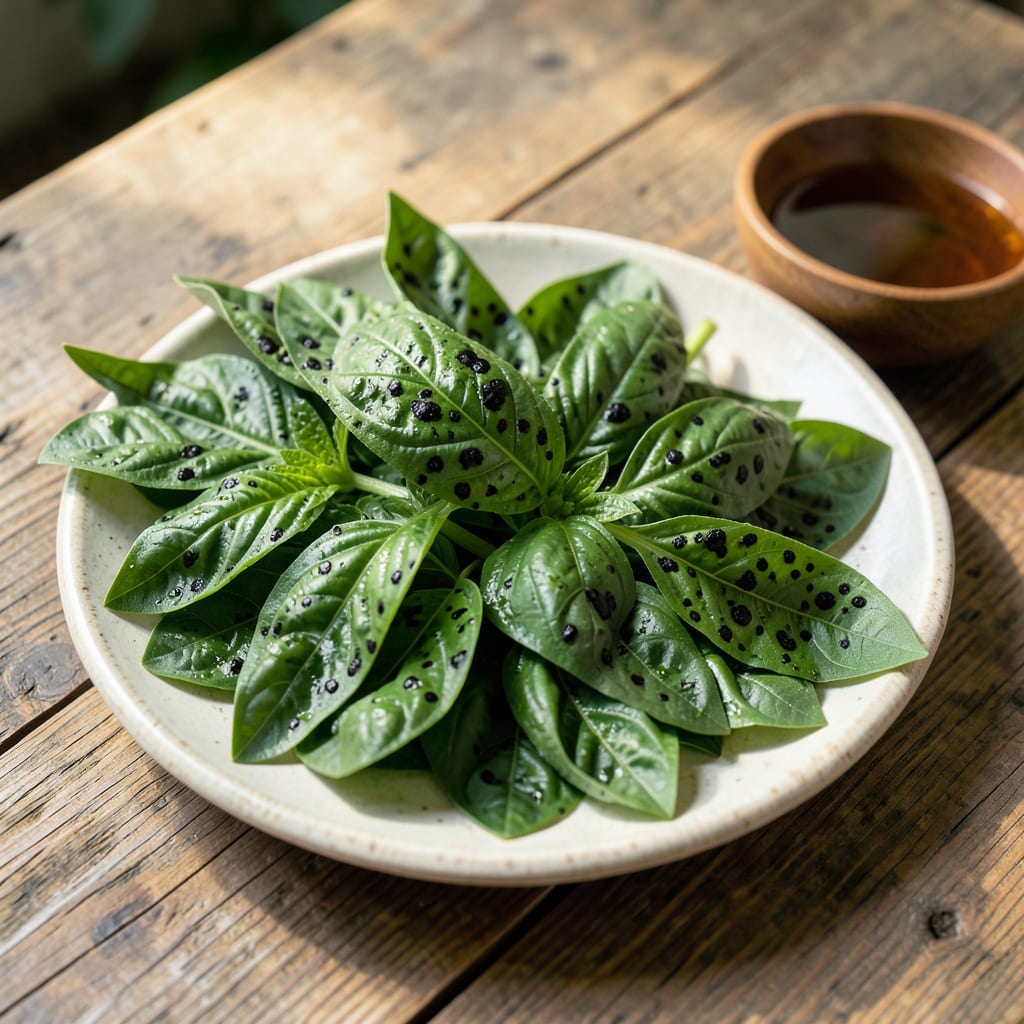
Nothing ruins fresh basil faster than those ugly black spots. I’ve lost count of how many plants I’ve saved by catching this early—most causes are fixable if you act fast.
Fungal infections top the list, usually from too much moisture on leaves or poor air circulation. Pests like aphids can also trigger spotty damage, as can sudden temperature swings or nutrient deficiencies.
Organic solutions work surprisingly well. A baking soda spray stops fungal spread, while neem oil handles pests. Better yet, preventing the problem starts with how you water and where you place your plants.
The fix is simpler than you think, and your basil will thank you with healthy, fragrant growth all season long.
Black spots on basil leaves are often a sign of underlying issues, ranging from fungal infections to environmental stress. Here’s a breakdown of the most common causes and their scientific explanations:
Fungi like Colletotrichum (anthracnose) or Pseudoperonospora belbahrii (downy mildew) thrive in damp, poorly ventilated conditions. These pathogens infect leaves through spores, leading to dark, sunken lesions. Overhead watering or high humidity accelerates their spread.
Pseudomonas or Xanthomonas bacteria cause water-soaked spots that turn black as tissue dies. Bacteria enter through wounds or stomata, often spread by splashing water or contaminated tools. Warm, wet weather favors their growth.
Overwatering, poor drainage, or nutrient imbalances (e.g., calcium deficiency) stress basil, making it susceptible to necrosis. Cold drafts or sudden temperature drops can also trigger blackening, especially on tender new growth.
Sap-sucking pests like aphids or spider mites weaken leaves, creating entry points for secondary infections. Their feeding wounds may turn black as the plant’s defenses react or pathogens invade.
Identifying the cause is the first step to saving your basil—act fast to prevent spread!
Here’s how to tackle each common cause of black spots on basil, with simple fixes and prevention tips to keep your plants thriving.
Remove infected leaves immediately to stop the spread. Spray the plant with neem oil or a baking soda solution (1 tsp baking soda + 1 quart water + a drop of dish soap) every 5–7 days. Prevent it: Space plants 12–18 inches apart, water at the base (not the leaves), and avoid overhead watering. 💡 Pro tip: Water in the morning so foliage dries quickly.
Check under leaves for aphids, spider mites, or thrips. Blast them off with a strong stream of water, then apply insecticidal soap or neem oil. For severe infestations, introduce ladybugs or lacewings. Prevent it: Inspect new plants before bringing them near your basil, and keep the garden free of debris where pests hide.
Let the soil dry slightly between waterings—stick your finger in; if the top inch is dry, it’s time to water. Repot basil in well-draining soil and containers with drainage holes. Prevent it: Use a moisture meter or the “lift test” (light pots = water; heavy = wait). ✨ Bonus: Add perlite to potting mix for better drainage.
Move potted basil to a spot with 6–8 hours of sunlight but shield it from harsh afternoon rays. If temperatures drop below 50°F (10°C), bring plants indoors. Prevent it: Acclimate basil gradually to outdoor conditions (harden off) and avoid placing it near heat sources or drafts.
Switch to a balanced, water-soluble fertilizer (10-10-10) and follow package instructions—over-fertilizing can burn roots. Prevent it: Test soil pH (aim for 6.0–7.5) and amend with compost for steady nutrients. 🎯 Quick fix: Flush the soil with water to remove excess salts if you suspect over-fertilization.
Yes! Overwatering leads to root rot and poor drainage, which stresses the plant and can cause leaves to develop dark spots. Always let the top inch of soil dry out between waterings.
Neem oil is effective for fungal infections and pests that may cause black spots. Mix 1 tablespoon with 1 quart of water and spray every 5-7 days until the issue resolves.
Remove affected leaves immediately and improve airflow around the plant. Avoid overhead watering and keep leaves dry to stop fungal or bacterial spread.
Yes, sudden temperature drops below 50°F can stress basil, leading to blackening on leaves. Move potted basil indoors if cold weather is expected.
