
Beautiful Plants For Your Interior
Beautiful Plants For Your Interior
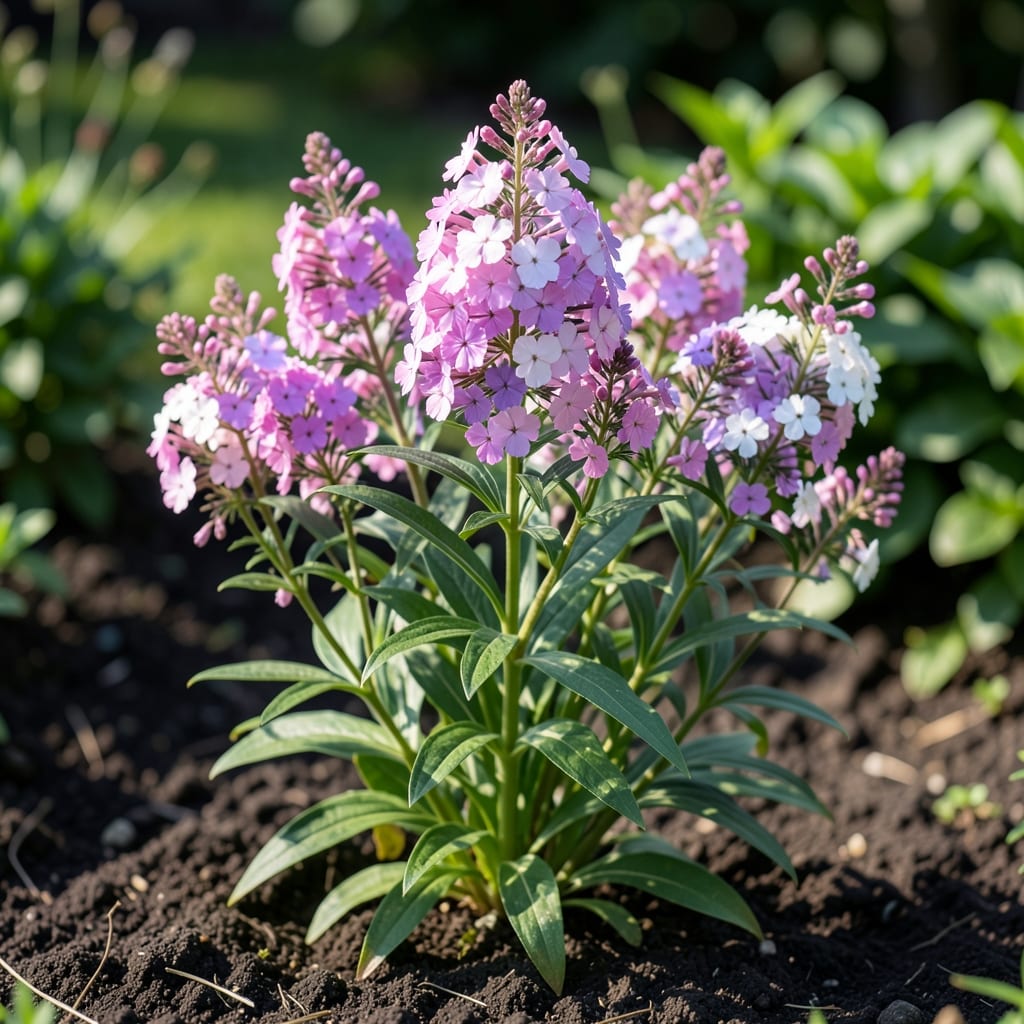
White powder, dark spots, or yellowing edges on phlox leaves signal trouble. I’ve dealt with all three, and catching them early saves your plants from spreading damage.
Most issues stem from too much moisture or poor air flow. A simple cleanup routine and proper spacing can prevent the worst. Here’s how to spot and fix it fast.
📚 In This Guide
Here’s the method I use to identify problems early and restore plant health quickly.
Begin by examining both the upper and lower surfaces of the leaves for early signs of fungal infection. I look for spots that appear brown with purple halos, white powdery coatings, or dark, water-soaked lesions. These are classic symptoms of common phlox diseases like powdery mildew or leaf spot.
Check the stems and surrounding soil as well. Fungal issues often spread upward from the base, so catching them early at the lower leaves prevents the entire plant from becoming infected. Don’t forget to inspect the center of the plant where humidity tends to be higher.
Using clean, sharp pruners, I remove all leaves showing signs of fungal infection. Cut at least 1-2 inches below any visible damage to ensure you’re removing the full extent of the problem. Place infected material in a sealed bag and dispose of it in the trash—never compost fungal-diseased plant parts.
After each cut, dip your pruners in a solution of 1 part bleach to 9 parts water to prevent spreading the fungus to healthy parts of the plant. This step is crucial, as fungal spores can remain on tools and reinfect your phlox later.
Fungal diseases thrive in damp, still conditions. I thin out dense growth by removing about one-third of the healthy foliage to improve airflow. This helps the remaining leaves dry faster after rain or watering, making it harder for fungi to take hold.
If your phlox is crowded by other plants, consider transplanting some to create more space. I maintain at least 2 feet of clearance between phlox plants when possible. You’ll see a noticeable reduction in fungal issues once air moves freely through the foliage.
For mild cases, I start with a baking soda solution (1 tablespoon baking soda, 1 teaspoon dish soap, 1 gallon water) applied every 7-10 days. This changes the pH on leaf surfaces, making them less hospitable to fungi. Spray until leaves are thoroughly coated but not dripping.
For more severe infections, I use a copper-based fungicide according to package directions. Apply in the early morning so leaves have time to dry before evening. Always treat both sides of the leaves and the stems for complete protection.
Water at the base of the plant rather than overhead to keep leaves dry. I water in the early morning so any moisture that does reach the foliage has time to evaporate during the day. Avoid late afternoon or evening watering when leaves stay damp overnight.
Apply a 2-3 inch layer of mulch around the base to prevent soil-borne fungal spores from splashing onto leaves during rain. This simple step significantly reduces reinfection rates. You’ll notice healthier plants within 2-3 weeks of consistent prevention efforts.
Small adjustments make a big difference when treating fungal issues on phlox.
Inspection Technique: In Step 1, examine leaves in the morning when dew is present—fungal spots often appear more pronounced against wet surfaces. Use a hand lens to check for early signs like tiny black specks (fungal spores) that are easy to miss with the naked eye. Catching these early prevents the need for stronger treatments later.
Sanitation Essential: For Step 2, that 1 part bleach to 9 parts water solution is non-negotiable. I learned this the hard way after reinfecting an entire bed by skipping this step. Keep a small bucket of the solution next to you while pruning, and re-dip pruners between every cut, even if the leaves look healthy.
Airflow Strategy: Step 3’s one-third foliage removal works best if you focus on inner leaves first. These are most vulnerable to humidity buildup. If your phlox is in a shaded area, consider thinning even more aggressively—up to half the foliage—to compensate for reduced air movement.
Treatment Timing: The 7-10 day interval for the baking soda solution in Step 4 is critical. Spraying too frequently can harm leaves, while waiting longer than 10 days gives fungi time to spread. Early morning applications work best because leaves dry quickly in the sun, reducing the risk of further infection.
Yellowing leaves often signal overwatering or poor drainage. Check soil moisture and ensure the plant isn’t sitting in water. Fungal infections like powdery mildew can also cause yellowing—treat with fungicide if needed.
Early morning is ideal for applying fungicides, as cooler temps and dew help the solution stick. Treat at the first sign of spots or mildew, and reapply every 7–10 days until the issue resolves.
Yes! A mix of 1 tbsp baking soda + 1 tsp dish soap in a gallon of water can help mild cases. Spray weekly, but for severe infections, opt for commercial fungicides like neem oil or copper-based products.
Improve airflow by spacing plants 18–24 inches apart. Water at the base to keep leaves dry, and remove debris around the plant. Mulch with organic material to reduce soil-borne spores.