
Beautiful Plants For Your Interior
Beautiful Plants For Your Interior
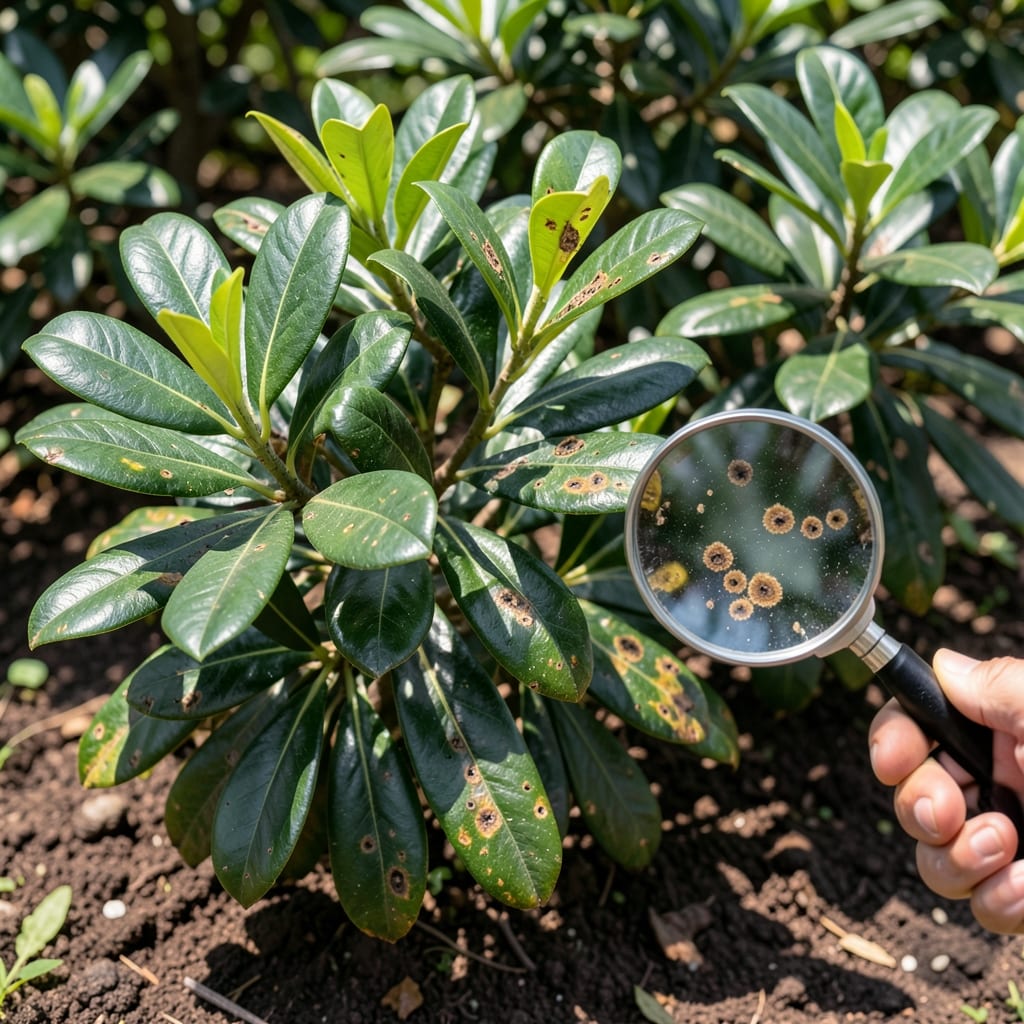
Yellowing leaves and black spots on your laurel aren’t just unsightly—they’re distress signals. I’ve seen healthy shrubs turn into skeletal remains in one season when these signs go ignored.
Most laurel diseases stem from three preventable issues: poor air circulation, excess moisture, or contaminated tools. The good news? Natural remedies work better than harsh chemicals for these plants.
You’ll learn to spot trouble early, when a simple pruning or spray can still save your shrub. Catching it at the first brown edge or white powder means the difference between recovery and replacement.
Works for English, bay, and cherry laurel alike. Here’s how to keep yours thriving without the guesswork.
Understanding why diseases strike your laurel plants is the first step toward prevention and treatment. These issues often arise from a combination of environmental, biological, and cultural factors. Below, we break down the most common causes with actionable insights.
Laurel plants thrive in well-drained soil, but overwatering or poor drainage creates a breeding ground for fungal diseases like root rot and leaf spot. Saturated soil restricts oxygen flow to the roots, weakening the plant and making it susceptible to pathogens such as Phytophthora and Pythium. Always ensure pots have drainage holes, and amend heavy clay soils with organic matter to improve aeration.
Fungi like Pestallozzia (causing shot hole disease) and bacteria such as Xanthomonas thrive in humid, poorly ventilated conditions. These pathogens spread through water splashes, contaminated tools, or infected plant debris. Prune laurel plants during dry weather, sterilize tools with rubbing alcohol, and remove fallen leaves to reduce infection risks.
Pests like scale insects, aphids, and spider mites weaken laurel plants by sucking sap, leaving them vulnerable to secondary infections. For example, honeydew secretions from aphids promote sooty mold, a black fungal growth that blocks sunlight. Regularly inspect the undersides of leaves and use neem oil or insecticidal soap at the first sign of pests.
Extreme temperatures, drought, or sudden frost stress laurel plants, compromising their immune systems. Heat stress can lead to leaf scorch, while cold snaps may cause dieback. Mulch around the base to retain moisture and insulate roots, and provide shade cloth during heatwaves to protect foliage.
A lack of essential nutrients, particularly iron, magnesium, or nitrogen, can manifest as yellowing leaves (chlorosis) or stunted growth. Conduct a soil test to identify deficiencies and amend with a balanced, slow-release fertilizer or specific micronutrients as needed.
Keeping your laurel healthy starts with addressing problems early. Below are targeted fixes for common issues, paired with prevention tips to keep your plant thriving.
If your laurel’s leaves are turning yellow, overwatering or poor drainage is often the culprit. Repot the plant in well-draining soil mixed with perlite or sand. Ensure the pot has drainage holes, and water only when the top inch of soil feels dry. Prevention tip: 💡 Use a moisture meter to avoid guessing water needs.
Dark or black spots usually signal fungal infections like leaf spot. Remove affected leaves immediately and apply a copper-based fungicide or a DIY mix of 1 tsp baking soda + 1 quart water + a drop of dish soap. Spray every 7–10 days until symptoms fade. Prevention tip: ✨ Space plants for airflow and avoid overhead watering.
Spider mites or scale insects leave webbing or a sticky film (honeydew). Wipe leaves with a soapy water solution (1 tsp mild soap + 1 liter water) or use neem oil. For severe infestations, apply insecticidal soap. Prevention tip: 🌡️ Regularly inspect leaves, especially in dry, warm conditions.
Slow growth may indicate nutrient deficiency. Feed your laurel with a balanced, slow-release fertilizer in spring and summer. Yellowing between leaf veins? It might need iron—try a chelated iron supplement. Prevention tip: 🎯 Test soil annually and amend as needed.
Wilting can mean both underwatering and overwatering. Check soil moisture: if bone-dry, water deeply; if soggy, let it dry out before watering again. Mulch around the base to retain moisture. Prevention tip: ⏰ Water early in the day to reduce evaporation.
Brown spots often indicate fungal infections like leaf spot. These thrive in wet, humid conditions. Remove affected leaves and improve airflow around the plant to prevent spread.
Yes! Overwatering leads to root rot, which can be fatal. Laurel plants prefer well-drained soil. Water only when the top 1-2 inches of soil are dry.
Regularly inspect leaves for aphids, scale, or mites. Use neem oil or insecticidal soap at the first sign. Keep the area clean and free of debris.
Yellowing leaves often signal nutrient deficiency or poor drainage. Test your soil and adjust watering habits. Iron or magnesium supplements may help.