
Beautiful Plants For Your Interior
Beautiful Plants For Your Interior
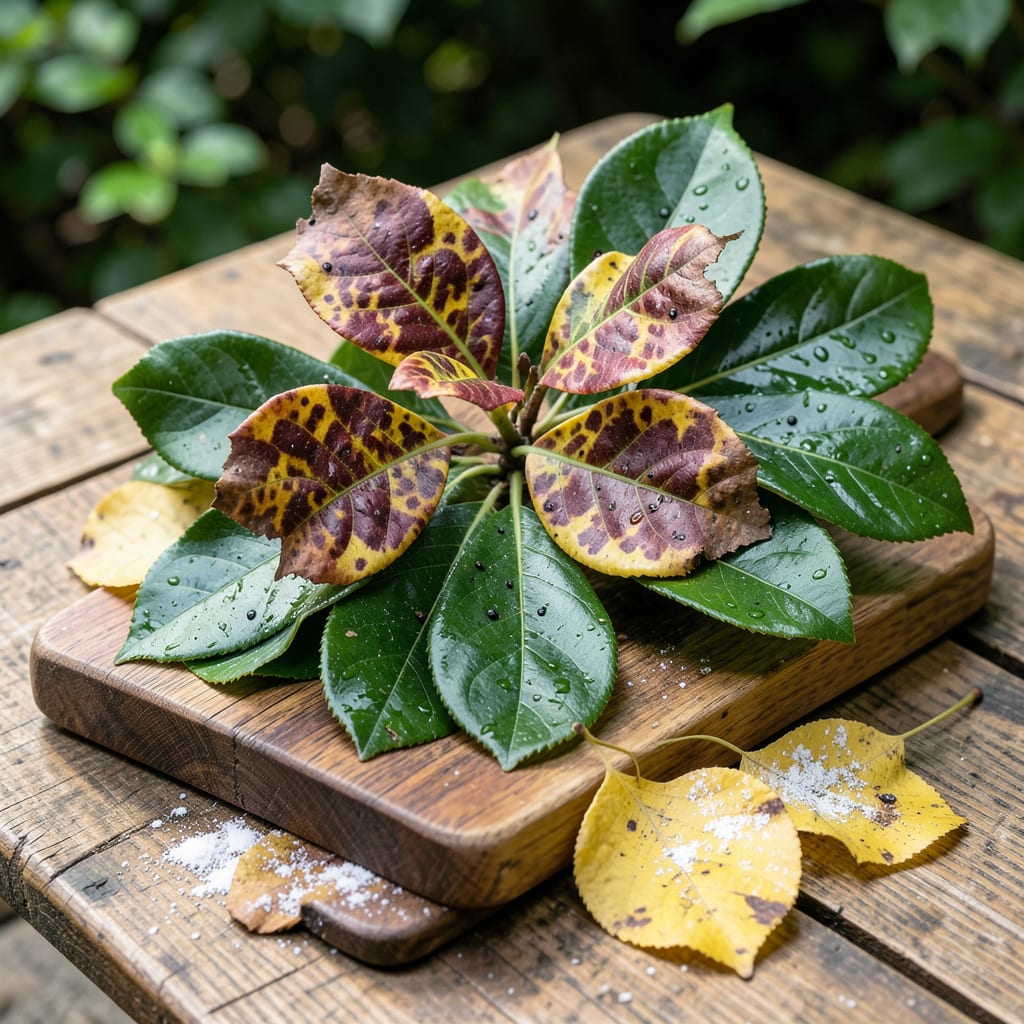
My cherry laurel looked invincible until those first brown spots appeared. 🌿 I’ve learned the hard way that even the toughest shrubs need a watchful eye to catch problems early.
Leaf spots, powdery mildew, and root rot are the usual suspects. Each shows up differently—yellow halos, white dust, or wilting leaves—but they all mean your plant is under attack. Catching them fast makes treatment 10x easier.
You can fight back with simple fixes: better airflow, proper watering, or a copper fungicide spray. The key is acting before the damage spreads to neighboring plants.
Prevention beats cure every time. Healthy soil, good drainage, and regular inspections keep most issues from ever starting.
Understanding why cherry laurel bushes fall prey to diseases starts with recognizing the underlying causes. These evergreen shrubs are hardy, but certain conditions can weaken their defenses. Below are the primary triggers, each with a scientific basis.
Fungal diseases like shot hole and leaf spot thrive in damp environments. Overwatering or poorly drained soil creates a breeding ground for pathogens such as Stigmina carpophila. When water pools around the roots, it also leads to root rot, caused by Phytophthora spp., which suffocates the plant by damaging its root system.
Dense foliage or crowded planting restricts airflow, increasing humidity around the leaves. This stagnant environment is ideal for fungal spores to germinate and spread. Diseases like powdery mildew (Erysiphe alphitoides) flourish under these conditions, coating leaves in a white, powdery substance that hinders photosynthesis.
Insects such as aphids, scale, and cherry laurel leaf miners weaken the plant by feeding on its sap or tissues. Their damage creates entry points for secondary infections, like bacterial leaf scorch (Xylella fastidiosa). Additionally, pests like the laurel psyllid can introduce toxins that cause leaf curling and stunted growth.
Extreme temperatures, drought, or sudden frost can stress the bush, lowering its immunity. Heat stress, for instance, may lead to scorch, where leaf edges turn brown and crisp. Cold injury can cause dieback, making the plant more susceptible to opportunistic pathogens like Botryosphaeria canker.
A lack of essential nutrients, particularly nitrogen or iron, can compromise the plant’s health. Chlorosis (yellowing of leaves) often signals iron deficiency, which weakens the bush and makes it more vulnerable to diseases. Poor soil quality or improper pH levels (cherry laurels prefer slightly acidic to neutral soil, pH 6.0–7.5) can exacerbate these deficiencies.
Dealing with cherry laurel diseases doesn’t have to be overwhelming. Below are practical, step-by-step fixes for the most common problems, plus tips to keep your shrubs healthy long-term.
Remove infected leaves and branches immediately to stop the spread. Disinfect pruning tools with rubbing alcohol between cuts. Apply a copper-based fungicide in early spring or fall for prevention. Prevention tip: 💡 Avoid overhead watering to reduce leaf moisture.
If your bush has yellowing leaves or wilting, root rot may be the culprit. Stop watering and let the soil dry out. Amend heavy soil with compost or sand to boost drainage. For severe cases, remove the plant and replant in a well-draining spot. Prevention tip: 🌧️ Water deeply but infrequently, and ensure pots have drainage holes.
Use a soft brush or cloth dipped in soapy water to remove visible scale. For heavy infestations, apply horticultural oil or insecticidal soap, following label instructions. Prevention tip: ✨ Encourage natural predators like ladybugs by planting companion flowers.
Prune affected foliage and destroy it (don’t compost). Apply a bactericide like copper spray, and avoid working with plants when they’re wet. Prevention tip: 🎯 Space plants properly for airflow and water at the base, not the leaves.
Look for circular brown spots with yellow halos on leaves, or a white powdery coating. Fungal issues often appear after periods of wet weather. Early morning dew that lingers too long can also trigger outbreaks.
Ensure your soil drains well by mixing in compost or sand. Water only when the top 2-3 inches of soil are dry, and always avoid waterlogging. Raised beds can help in clay-heavy areas.
A mixture of 1 teaspoon baking soda and 1 quart water can help mild cases. Spray it on affected leaves weekly. For stubborn spots, a copper fungicide is more effective.
This is often a sign of iron deficiency, especially in alkaline soils. Use a chelated iron supplement or amend the soil with sulfur to lower the pH to 6.0-7.5.
