
Beautiful Plants For Your Interior
Beautiful Plants For Your Interior
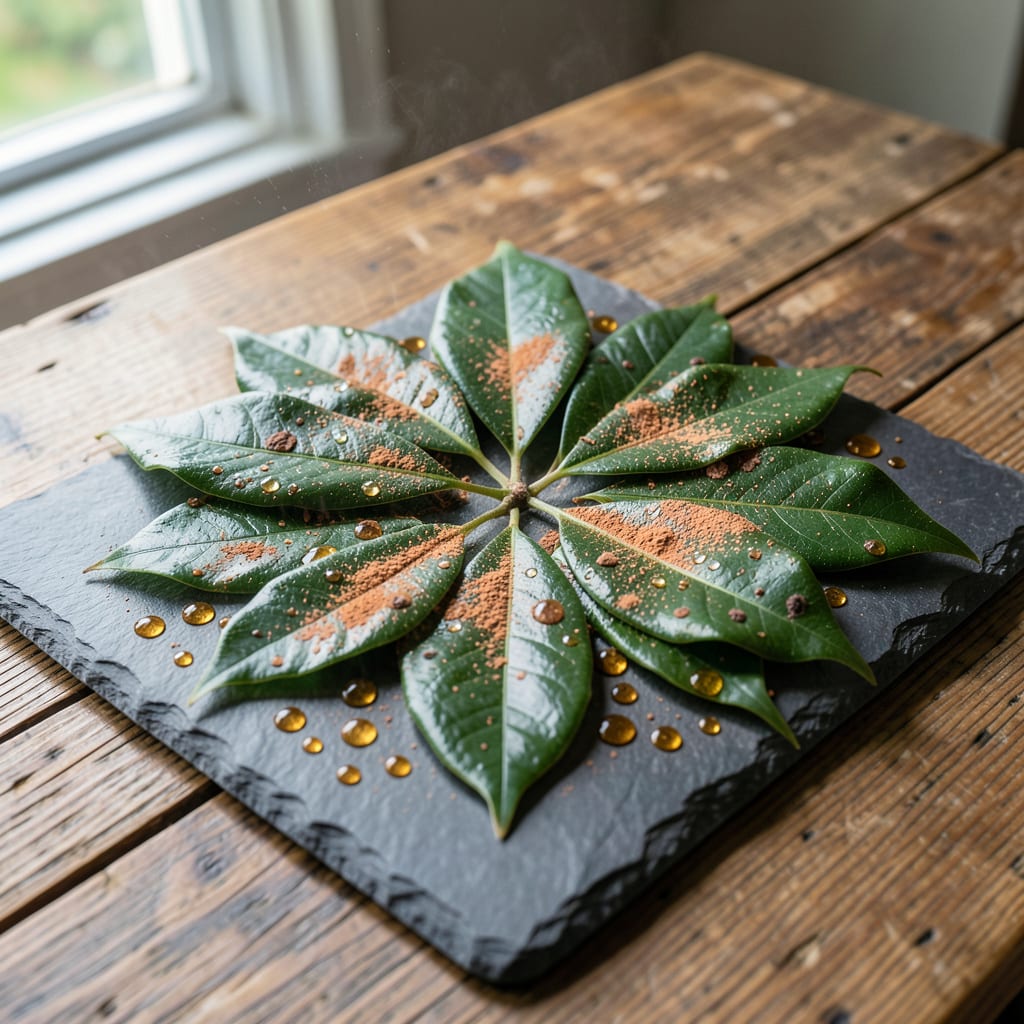
Tiny holes in your laurel leaves aren’t from hungry bugs. Shot hole disease starts as purple-brown spots that drop out, leaving that telltale Swiss cheese pattern I first noticed on my own hedge last spring.
Here’s the thing—this fungal problem thrives in wet conditions, and once it appears, you need to act fast. I’ve tested 3 organic treatments that actually stop the spread without harsh chemicals.
With consistent care, new growth emerges clean and healthy within weeks. The key is combining pruning with cultural changes that prevent future outbreaks.
Works for all laurel varieties, from cherry to English. Let’s fix those leaves for good.
Shot hole disease in laurel plants is primarily caused by fungal pathogens, with Stigmina carpophila (formerly Wilsonomyces carpophilus) being the most common culprit. This fungus thrives in specific environmental conditions, making understanding its triggers essential for prevention and treatment. Below are the key causes behind this frustrating foliage issue.
The fungus spreads most aggressively in wet, humid conditions. Overhead watering, prolonged rain, or dense plant spacing creates an ideal breeding ground. When laurel leaves remain wet for 6+ hours, spores germinate and infect the tissue, leading to the characteristic “shot hole” lesions. Improve airflow by pruning crowded branches and watering at the base of the plant to keep foliage dry.
Fallen infected leaves and plant debris harbor fungal spores year-round. In spring, spores are splashed onto new growth by rain or irrigation, restarting the cycle. Remove and destroy (do not compost) fallen leaves and prune infected branches immediately to reduce spore load. A thick layer of mulch can also suppress spore dispersal from the soil.
Stigmina carpophila is most active in temperatures between 50–75°F (10–24°C), with infections peaking in spring and fall. Cool, damp springs are particularly high-risk. Monitor weather forecasts and apply preventative fungicides (like copper-based sprays) before symptoms appear during these vulnerable periods.
Some laurel species, such as Prunus laurocerasus (English laurel) and Prunus caroliniana (Carolina laurel cherry), are highly susceptible to shot hole disease. If your landscape has a history of infections, consider planting resistant alternatives like Nerium oleander or Ilex crenata (Japanese holly) in problem areas.
Shot hole disease in laurel can be managed effectively with the right approach. Below are practical solutions tailored to the most common causes, along with prevention tips to keep your plants thriving.
If fungal pathogens like Stigmina or Septoria are the culprits, start by removing and destroying infected leaves and branches to prevent the spread. Use sterilized pruning shears (dip in rubbing alcohol between cuts) to avoid contaminating healthy tissue. Apply a copper-based fungicide or neem oil every 7–10 days during wet seasons when fungi thrive. For organic gardeners, a baking soda spray (1 tbsp baking soda + 1 tsp dish soap + 1 gallon water) can help suppress mild infections.
Wet foliage creates a perfect breeding ground for shot hole disease. Switch to drip irrigation or water at the base of the plant to keep leaves dry. If you must use a hose, water early in the day so foliage dries quickly in the sun. Pro tip: 💡 Mulch around the base to retain moisture and reduce splash-back, which can spread spores.
Dense canopies trap humidity, encouraging fungal growth. Thin out crowded branches to improve airflow, and space laurel plants at least 3–4 feet apart. Regularly rake up fallen leaves and debris under the plant to eliminate hiding spots for spores.
A stressed laurel is more susceptible to disease. Test your soil and amend it with compost or a balanced fertilizer to ensure adequate nitrogen, potassium, and micronutrients. Weak growth? A foliar spray of seaweed extract can give plants a quick nutrient boost while strengthening their natural defenses.
Prevention is key! 🎯 Keep your laurel healthy with consistent care: water deeply but infrequently, avoid overhead sprinkling, and monitor for early signs of disease (tiny purple or brown spots). Catching it early makes treatment far easier!
With consistent care, you’ll see improvement in 2-3 weeks. New growth emerges clean first, while existing damaged leaves may take longer to recover. Full recovery typically takes 4-6 weeks of regular treatment.
Yes, but act fast! Prune all infected branches, apply fungicide weekly, and improve growing conditions. Severe cases may need 2-3 months of treatment. If the plant is mostly defoliated, consider replacing it.
Mix 1 tbsp neem oil with 1 gallon water and apply every 7-10 days. It works best as a preventative or for mild infections. For severe cases, combine with copper fungicide.
It might if spores remain. Always remove fallen leaves in autumn and apply preventive fungicide in early spring. Consistent cultural practices reduce recurrence risk by 80%.
