
Beautiful Plants For Your Interior
Beautiful Plants For Your Interior
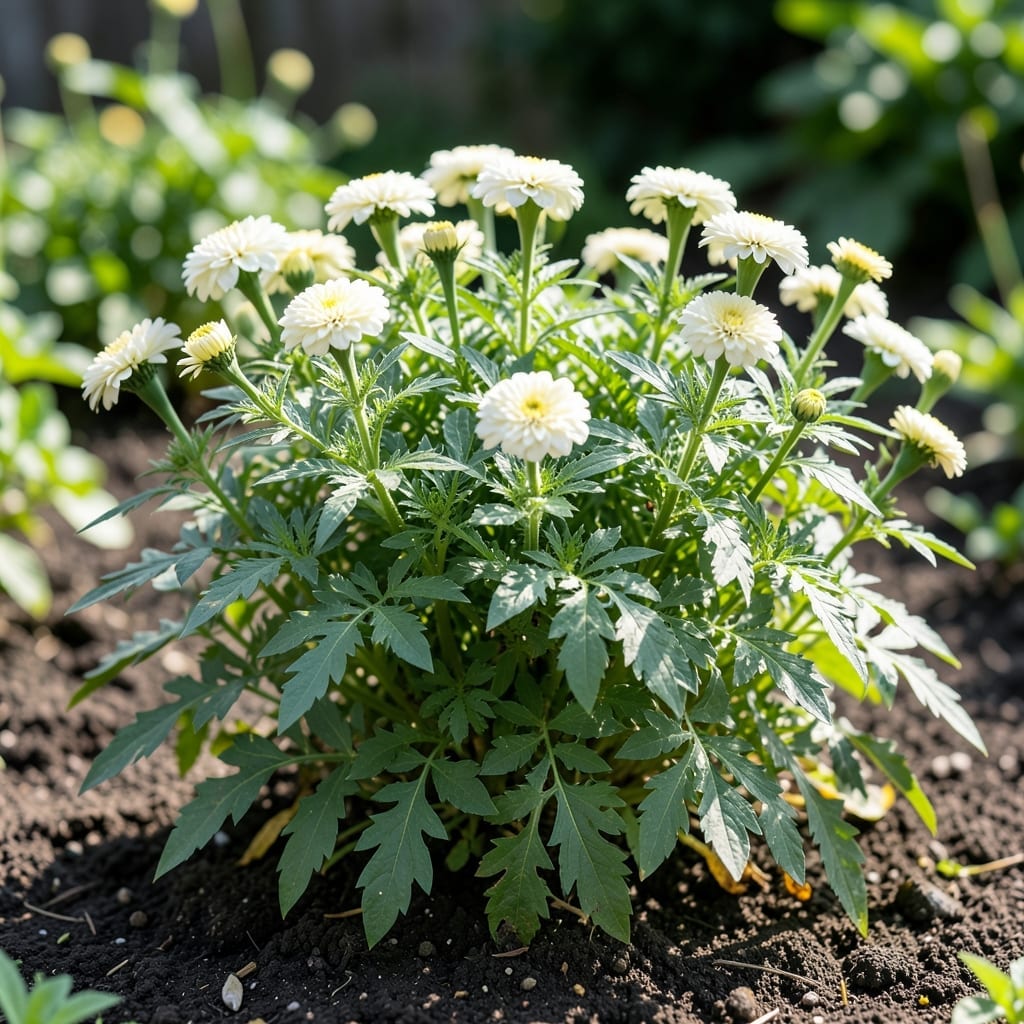
White blooms that laugh at cool weather. I’ve grown Kilimanjaro marigolds through unexpected frosts, and they just keep pushing out crisp, snow-white flowers when other varieties give up.
These aren’t your grandma’s orange marigolds. They handle 50°F nights like it’s nothing, stay compact in containers, and their pale petals actually glow in moonlight. Perfect for extending your garden’s season.
📚 In This Guide
This method delivers consistent blooms regardless of the season, even in cooler temperatures.
Select a location receiving full sun to partial shade, as Kilimanjaro white marigolds tolerate cooler conditions but still require 6-8 hours of sunlight daily. Amend the soil with organic matter to improve drainage—these plants despise waterlogged roots. I always dig in 2-3 inches of compost to ensure fertility without compromising drainage.
Test soil drainage by digging a 12-inch hole and filling it with water. If it doesn’t drain within 1 hour, improve the area with coarse sand or perlite. The ideal pH range is 6.0-7.0; a simple soil test kit will confirm if adjustments are needed.
Start seeds indoors 6-8 weeks before the last frost if beginning from scratch, sowing them ¼ inch deep in a well-draining seed mix. Keep the soil temperature at 70-75°F for optimal germination, which typically occurs within 7-14 days. I use a seedling heat mat to maintain consistent warmth.
For transplants, dig a hole slightly larger than the root ball and place the plant so the crown sits ½ inch above the soil line to prevent rot. Space plants 10-12 inches apart to allow air circulation, which reduces the risk of fungal diseases common in cooler, damp climates.
Water deeply at planting to settle the soil, then maintain consistent moisture without waterlogging. Kilimanjaro whites prefer 1 inch of water per week, either from rainfall or supplemental irrigation. Check soil moisture by inserting your finger 1 inch deep—if it feels dry, it’s time to water.
Apply a 2-3 inch layer of organic mulch around the base of the plants to retain moisture and regulate soil temperature. Keep mulch 1 inch away from stems to prevent rot. I prefer shredded bark or straw, which break down slowly and add organic matter to the soil over time.
Feed plants with a balanced, water-soluble fertilizer every 2-3 weeks during the growing season. Dilute to half the recommended strength to avoid burning the roots. Kilimanjaro marigolds respond well to 10-10-10 or 5-10-5 formulations, which promote both foliage and flower production.
Deadhead spent blooms regularly by pinching them off just above a set of leaves. This encourages the plant to produce more flowers rather than setting seed. You’ll notice new buds forming within 7-10 days of deadheading, ensuring a steady supply of blooms throughout the season.
In cool climates, Kilimanjaro white marigolds can handle light frosts but will succumb to hard freezes. When temperatures drop below 40°F, cover plants with a frost cloth or move potted specimens indoors. I bring container-grown marigolds into a cool, sunny room where they continue blooming with minimal care.
For overwintering, cut back the plants by one-third and reduce watering to encourage dormancy. Resume regular care in early spring when new growth appears. This approach allows you to enjoy these resilient marigolds year-round, even in less-than-ideal conditions.
These planting insights will help you grow vibrant blooms even in less-than-ideal conditions.
Sunlight Strategy: In Step 1, ensure your chosen location receives the full 6-8 hours of sunlight daily these plants need. Kilimanjaro whites are tolerant of cooler temps but will struggle with insufficient light. I’ve found morning sun with afternoon shade works beautifully in warmer climates.
Drainage Test: Don’t skip the drainage test from Step 1—dig that 12-inch hole and time how long it takes to drain. If water remains after 1 hour, amend with coarse sand or perlite. This simple check prevents root rot, which is the number one killer of marigolds in cool, damp areas.
Planting Depth Precision: For transplants in Step 2, positioning the crown ½ inch above the soil line is non-negotiable. Planting too deep causes stem rot, while too shallow exposes roots. Use a ruler if needed—this small detail makes a huge difference in plant health.
Overwintering Timing: When temperatures drop below 40°F in Step 5, act quickly. Light frosts won’t kill these marigolds, but hard freezes will. I’ve saved many plants by moving potted specimens indoors at the first sign of cold—don’t wait until it’s too late.
Yes! This variety is bred for cooler temperatures, tolerating light frosts. Plant in well-draining soil and provide afternoon shade in extreme cold to help it thrive year-round.
Plant in early spring or late summer to avoid harsh cold or heat. This timing ensures strong root development before temperature extremes.
If winters are severe, consider growing in containers to move indoors. Alternatively, try cold-hardy marigold varieties like ‘Snowdrift’ or ‘Alaska’.
Yellowing leaves often signal overwatering or poor drainage. Check soil moisture and ensure pots have drainage holes to prevent root rot.
Use organic sprays like neem oil for aphids or spider mites. Companion planting with herbs like basil can also deter pests naturally.