
Beautiful Plants For Your Interior
Beautiful Plants For Your Interior
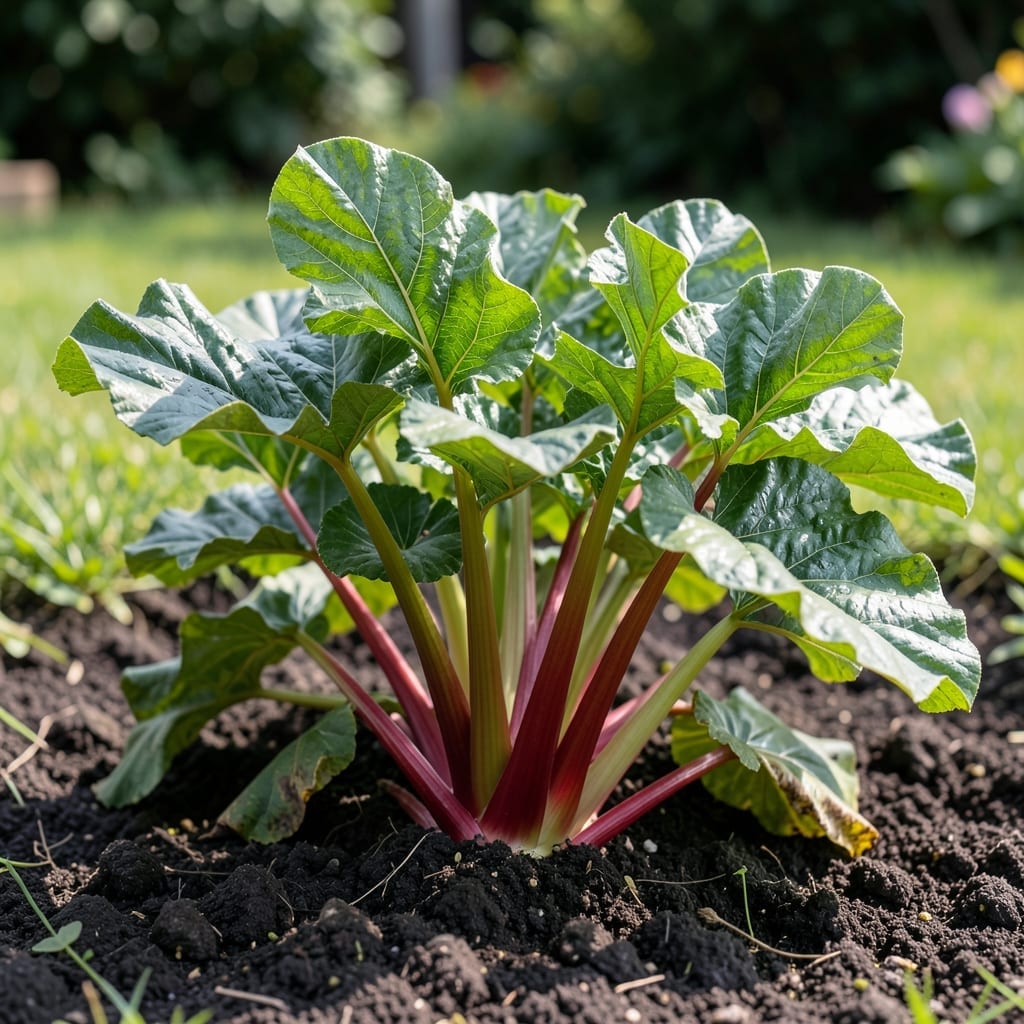
I remember the first time I planted 🌱 Rhubarb, wondering if it would thrive in my partially shaded garden. The vibrant stalks seemed so demanding, yet I was surprised by how adaptable this plant truly is.
Getting the light right is the key to those thick, flavorful stalks we all love. While Rhubarb does best with plenty of sun, it’s more forgiving than you might think.
Let me walk you through what I’ve learned about balancing light for healthy growth, so you can enjoy a bountiful harvest without the guesswork.

I’ve found that rhubarb plants are quite adaptable when it comes to sunlight. While they thrive in full sun, they can also tolerate partial shade without too much fuss. This makes them a great option for gardens with varying light conditions.
The ideal scenario is 6 to 8 hours of direct sunlight daily. This encourages thick, vibrant stalks and healthy leaf growth. However, in hotter climates, a bit of afternoon shade can prevent stress on the plant. ☀️
| Requirement | Specification |
| Ideal Sunlight | 6-8 hours daily |
| Minimum Sunlight | 4-6 hours daily |
| Shade Tolerance | Yes, partial shade |
| Best Window Direction | South-facing |
| Climate Consideration | Afternoon shade in hot regions |
In my experience, full sun produces the most robust stalks, but rhubarb can still grow in partial shade. The trade-off is that stalks may be thinner and less abundant with less sunlight. If you’re in USDA zones 3-8, you’re in the sweet spot for growing rhubarb.
For gardeners in warmer climates, I recommend providing afternoon shade to protect the plant from heat stress. This is especially important during the peak summer months when temperatures can soar. 🌡️
If you’re growing rhubarb in containers,
Well-draining soil is another key factor. Rhubarb doesn’t like waterlogged roots, so ensure your planting site has good drainage. Adding compost or organic matter can improve soil structure and fertility.
I’ve noticed that rhubarb plants in full sun tend to have deeper red stalks, while those in partial shade may produce greener stalks. Both are edible, but the red varieties are often more desirable for their color and slight sweetness.
If your garden doesn’t get much sun, don’t despair. Rhubarb can still grow in shadier spots, but you may need to adjust your expectations for stalk size and yield. Focus on providing consistent moisture and rich soil to compensate.
Finally, remember that young rhubarb plants are more sensitive to light conditions. Give them the best start by planting in a sunny location and gradually acclimating them to their permanent spot. 🌱
I’ve learned that rhubarb plants show clear signs when they’re not getting enough light. The first thing I notice is thin, spindly stalks that lack their usual vigor and thickness. This is your plant’s way of reaching for more sunlight.
Another red flag is yellowing leaves, especially on the lower parts of the plant. When rhubarb doesn’t get enough light, it struggles to produce the chlorophyll needed for those lush green leaves. This often leads to a pale, sickly appearance. 🌿
Warning: Stunted growth and poor yields are classic signs of light deficiency. If your rhubarb isn’t producing those thick, flavorful stalks, it might be begging for more sunlight.
I’ve also seen stunted growth in rhubarb plants that are light-deprived. They simply don’t reach their full 3-4 foot height potential. If your plants seem to be growing in slow motion, it’s time to assess their light conditions.
Poor yields are another telltale sign. Rhubarb in low light often produces fewer stalks, and the ones it does produce may be weaker and less flavorful. This is because the plant isn’t getting the energy it needs from sunlight to produce abundant growth.
In my garden, I’ve found that leggy growth—where the plant stretches unnaturally—is a common response to insufficient light. The plant is essentially stretching towards any available light source, which can lead to weak, floppy stems that are more prone to damage. ☀️
If you notice any of these signs, don’t panic. Rhubarb is fairly resilient, and with a few adjustments to its light exposure, you can nurse it back to health. Try moving it to a sunnier spot or trimming back nearby plants that might be casting too much shade.