
Beautiful Plants For Your Interior
Beautiful Plants For Your Interior
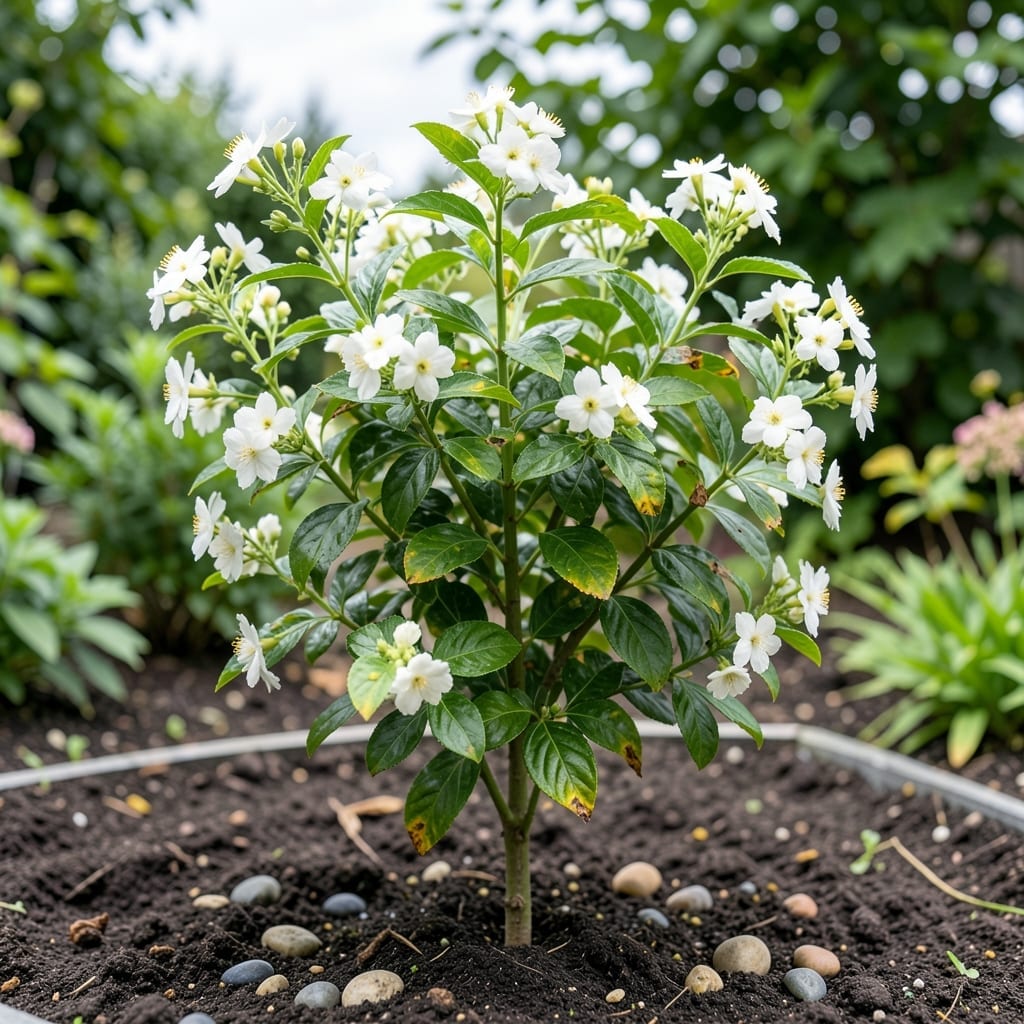
Yellow jasmine leaves aren’t just unsightly—they’re a distress signal. I’ve nursed countless plants back from the brink, and the fix usually starts with checking the soil.
Overwatering, poor drainage, or a nutrient deficiency often triggers the color change. Iron and nitrogen shortages are common culprits, but soil pH imbalance can lock out nutrients even when they’re present.
With a few adjustments—better drainage, targeted fertilizers, or pH testing—you’ll see green returning within weeks. The solution is often simpler than you’d think.
Prevention is easier than cure. Regular soil checks and balanced care keep jasmine thriving long before leaves start to fade.
Jasmine leaves turn yellow due to several underlying issues, each with distinct triggers. Here’s why it happens:
Excess water suffocates roots, reducing oxygen uptake and leading to root rot. Fungi like Phytophthora thrive in soggy soil, blocking nutrient absorption. Jasmine prefers moist but well-draining soil—water only when the top inch is dry.
Yellowing often signals a lack of nitrogen (uniform pale leaves), iron (interveinal chlorosis in new growth), or magnesium (yellow patches with green veins). Test soil pH—jasmine needs 6.0–7.0 for optimal nutrient uptake.
Too much direct sun scalds leaves (sunburn), while insufficient light disrupts chlorophyll production (etiolation). Jasmine thrives in partial shade to full sun (4–6 hours daily). Acclimate plants gradually to new light conditions.
Sap-sucking pests like spider mites or aphids drain nutrients, causing stippling or mottled yellowing. Check leaf undersides and treat with neem oil or insecticidal soap at first signs.
Jasmine is sensitive to cold drafts or heat stress. Temperatures below 40°F (4°C) or above 90°F (32°C) disrupt photosynthesis. Move potted plants indoors during extreme weather.
If your jasmine’s leaves are turning yellow, these targeted fixes will help restore its vibrant green. Address the root cause with these practical solutions, and include prevention tips to keep your plant thriving.
Yellow leaves often signal a lack of essential nutrients like nitrogen, iron, or magnesium. Here’s how to correct it:
Prevention tip: 💡 Test your soil annually and amend it with compost or organic matter to maintain nutrient balance.
Jasmine thrives in slightly acidic to neutral soil (pH 6.0–7.0). If the pH is off, leaves may yellow due to poor nutrient uptake.
Prevention tip: 🌡️ Use a soil pH meter to monitor levels regularly, especially before planting.
Overwatering or underwatering can stress jasmine, leading to yellow leaves.
Prevention tip: ✨ Stick your finger 2 inches into the soil—if it’s dry, it’s time to water.
Water when the top 1-2 inches of soil feel dry. Typically, this means 1-2 times per week, but adjust based on your climate and soil drainage.
Once leaves turn yellow, they usually won’t regain their green color. Focus on fixing the underlying issue to prevent new leaves from yellowing.
A balanced liquid fertilizer (10-10-10) works well for general care. For iron deficiency, use chelated iron or foliar sprays.
Use a soil pH meter or send a sample to a local extension service. Jasmine prefers a pH between 6.0–7.0.