
Beautiful Plants For Your Interior
Beautiful Plants For Your Interior
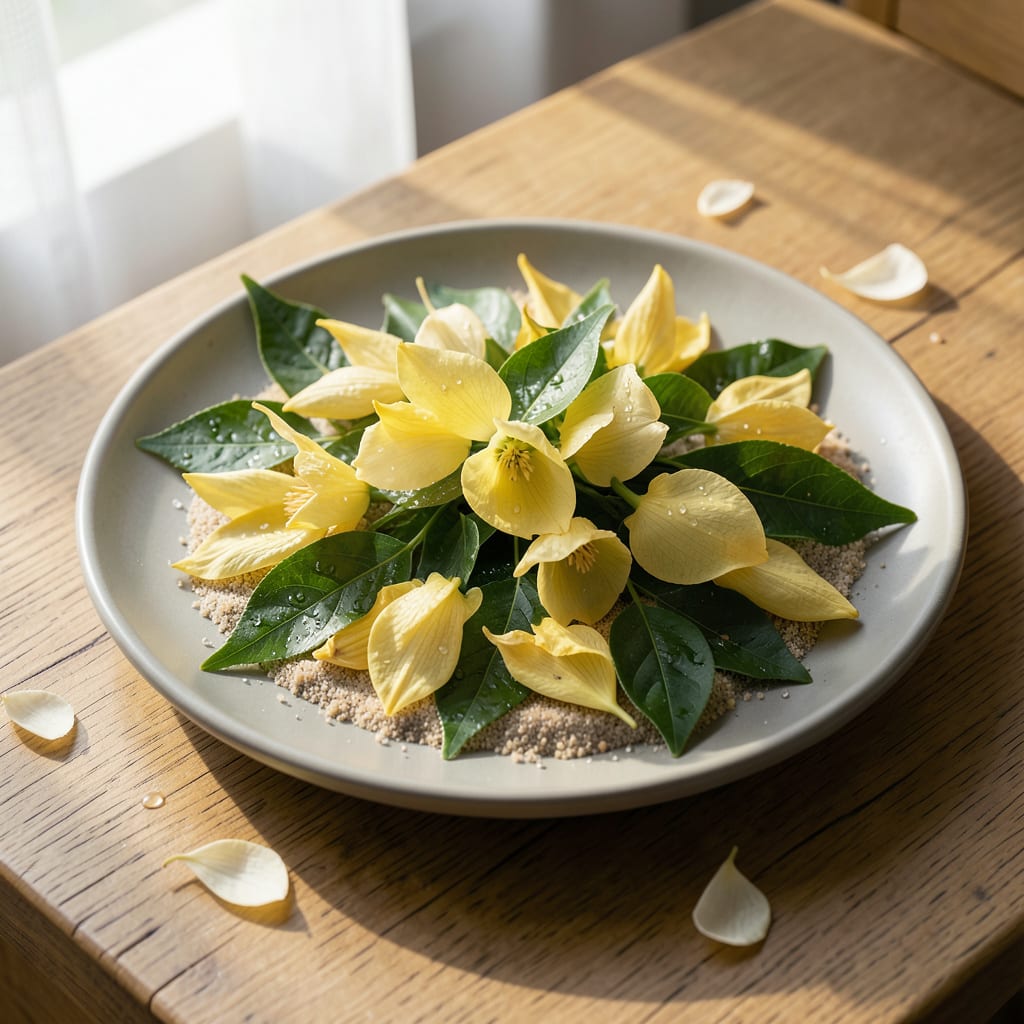
Yellow leaves on jasmine always feel like a gut punch. I’ve been there—watching the vibrant green fade to sickly yellow, wondering if it’s too much water, not enough food, or something worse.
Here’s the thing—it’s usually one of three culprits: overwatering, nutrient deficiency, or a hidden pest problem. The good news? Each has a simple fix once you know what you’re dealing with.
I’ve saved more jasmine plants than I can count by adjusting watering schedules, adding the right fertilizer, or treating for pests early. The leaves bounce back faster than you’d expect.
No need to panic. We’ll figure out exactly what your plant needs and get it back to its lush, healthy self.
Jasmine leaves turning yellow often signal an underlying issue that disrupts their normal physiological processes. Below are the most common causes, explained with actionable insights.
Excess water suffocates the roots, preventing oxygen uptake and leading to root rot. This condition impairs nutrient absorption, causing leaves to yellow (a symptom called chlorosis). Jasmine thrives in well-draining soil—ensure pots have drainage holes and use a mix with perlite or sand.
Yellowing often points to a lack of essential nutrients:
Fix with a balanced fertilizer (e.g., 10-10-10) or targeted supplements like chelated iron for acidic soil.
Jasmine needs bright, indirect light. Too little light slows photosynthesis, starving leaves of energy and causing yellowing. Conversely, excessive direct sunlight can scorch leaves, leading to bleached or yellow spots. Adjust placement to provide 6–8 hours of filtered light daily.
Sap-sucking pests like spider mites, aphids, or whiteflies drain nutrients from leaves, causing yellow stippling or mottling. Inspect leaf undersides and treat with neem oil or insecticidal soap at first signs.
Sudden temperature drops, drafts, or low humidity can shock jasmine plants. Ideal conditions: 65–75°F (18–24°C) with 40–50% humidity. Avoid placing near AC vents or heaters.
Addressing yellowing jasmine leaves starts with identifying the root cause. Below are practical fixes for each common issue, along with prevention tips to keep your plant thriving.
Let the soil dry out between waterings. Stick your finger an inch into the soil—if it feels damp, wait a few days. Ensure your pot has drainage holes to prevent waterlogging. Prevention tip: 💡 Use a well-draining potting mix with perlite or sand to improve aeration.
If the soil is bone-dry, water deeply until it drains from the bottom. Move your jasmine to a spot with bright, indirect sunlight (4–6 hours daily). Prevention tip: ✨ Rotate the plant occasionally for even light exposure.
Use a balanced, water-soluble fertilizer (10-10-10 or 20-20-20) every 4–6 weeks during the growing season. For iron deficiency (yellowing between veins), apply chelated iron. Prevention tip: 🎯 Test soil pH—jasmine prefers slightly acidic to neutral (6.0–7.0).
For spider mites or aphids, spray leaves with neem oil or insecticidal soap weekly until pests disappear. For fungal issues, improve airflow and avoid wetting leaves. Prevention tip: 🌡️ Prune crowded branches to enhance circulation.
Keep jasmine in stable conditions (60–75°F). Shield it from drafts, AC vents, or sudden temperature drops. Prevention tip: 🔥 Move potted jasmine indoors before the first frost in colder climates.
Act quickly—the sooner you address the issue, the faster your jasmine will regain its lush green foliage!
Water when the top 1-2 inches of soil feel dry. Typically, this means every 5-7 days in warm weather. Always check soil moisture first to avoid overwatering.
Unfortunately, once leaves turn yellow, they won’t regain their green color. Focus on correcting the underlying issue to prevent new leaves from yellowing.
Use a balanced liquid fertilizer like 10-10-10 or 20-20-20 every 4-6 weeks during the growing season. For iron deficiency, add chelated iron.
Yes, trim yellow leaves with clean scissors to redirect energy to healthy growth. Remove them at the base to avoid damaging the stem.
