
Beautiful Plants For Your Interior
Beautiful Plants For Your Interior
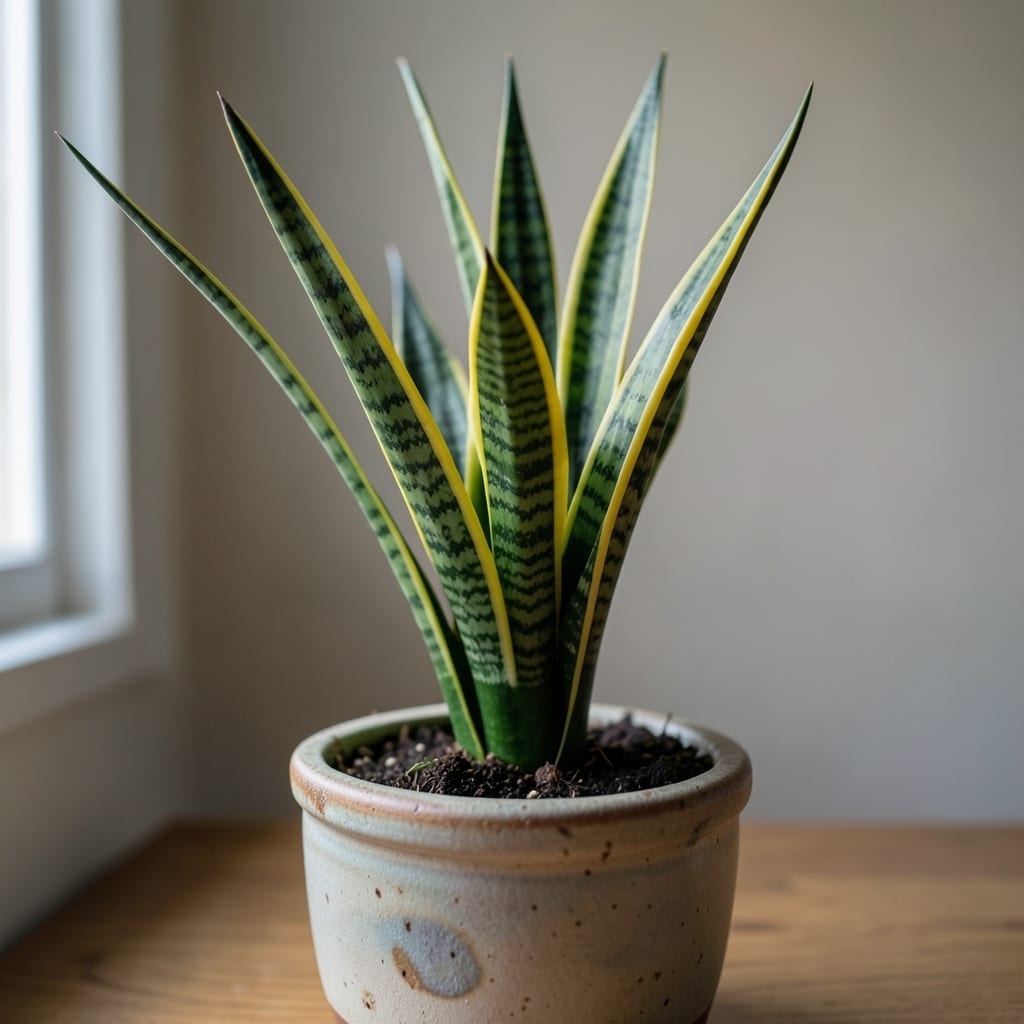
Brown leaves on indoor plants always feel like a failure at first. I’ve lost count of how many times I’ve stared at crispy edges wondering what went wrong this time.
Here’s the thing—it’s rarely one dramatic mistake. Usually it’s overwatering, underwatering, or low humidity sneaking up on you. The plant’s trying to tell you something, and once you learn its language, the fix is often simple.
You’ll start noticing patterns: brown tips scream “too much water,” while dry, paper-like leaves whisper “thirsty.” The solution is usually a small adjustment to your routine, not a complete overhaul.
Works for everything from ferns to fiddle leaf figs. Let’s figure out what your plants are trying to say.
Indoor plants develop brown leaves for several preventable reasons. Below are the most common causes, explained scientifically and with actionable insights.
Many tropical houseplants, like Calatheas or Peace Lilies, thrive in humidity levels of 40–60%. When indoor air is too dry (common in winter or air-conditioned spaces), transpiration—the plant’s water loss through leaves—outpaces water uptake from the roots. This leads to leaf tip burn and crispy brown edges, a condition called necrosis.
Underwatering causes leaves to dry out and turn brown due to cellular dehydration. Meanwhile, overwatering suffocates roots, preventing oxygen uptake and leading to root rot. Fungi like Phytophthora thrive in soggy soil, blocking water transport to leaves, which then brown and wilt.
Direct sunlight can scorch leaves, a process called photooxidative damage. Chlorophyll breaks down under intense UV rays, causing bleached or brown patches. This is common in plants like Snake Plants or ZZ Plants placed near south-facing windows without acclimation.
Over-fertilizing leads to salt accumulation in the soil, which draws water out of roots (a phenomenon called osmotic stress). This mimics drought conditions, causing leaf margins to turn brown. Alternatively, deficiencies in magnesium or potassium disrupt chlorophyll production, leading to interveinal browning.
Sap-sucking pests like spider mites or thrips pierce leaf cells, draining moisture and nutrients. Their feeding causes localized browning (often stippled or speckled) and weakens the plant’s overall health. Left unchecked, infestations can lead to widespread necrosis.
When your indoor plant’s leaves start turning brown, the fix often comes down to adjusting care habits. Below are targeted solutions for common causes, along with prevention tips to keep your greenery thriving.
Fix: Check the soil—if it’s soggy, let it dry out before watering again. Repot the plant in fresh, well-draining soil and ensure the pot has drainage holes. Trim any mushy, brown roots to prevent rot.
Prevent: Water only when the top 1-2 inches of soil are dry. Use pots with drainage and avoid letting plants sit in saucers of water.
Fix: Move your plant to a spot with bright, indirect light. If the leaves are crispy and brown, they may be sunburned—trim them to encourage new growth.
Prevent: Rotate your plant occasionally for even light exposure and use sheer curtains to diffuse harsh rays.
Fix: Mist the leaves regularly or use a humidity tray (pebbles + water) beneath the pot. Grouping plants together can also boost humidity.
Prevent: Keep plants away from heaters, vents, or drafty windows. A small humidifier nearby can work wonders.
Fix: Flush the soil with water to remove excess salts from fertilizers. If the plant is nutrient-deficient, use a balanced, diluted fertilizer.
Prevent: Fertilize sparingly—only during the growing season (spring/summer) and follow package instructions.
Fix: Wipe leaves with a damp cloth or use insecticidal soap to remove pests like spider mites or aphids. Isolate the plant to prevent spreading.
Prevent: Inspect new plants before bringing them home and keep leaves clean to deter pests.
With these adjustments, your plant should bounce back in no time! 🌿✨
No, once leaves turn brown, they won’t recover. Trim them off to help the plant focus energy on healthy growth instead.
Inspect leaves weekly, especially the undersides. Early detection of pests like spider mites prevents widespread browning and damage.
Most plants tolerate slight underwatering better than overwatering. Soggy soil leads to root rot, which is harder to fix than dry soil.
Brown tips usually signal low humidity or salt buildup from fertilizers. Try misting or flushing the soil to correct it.