
Beautiful Plants For Your Interior
Beautiful Plants For Your Interior
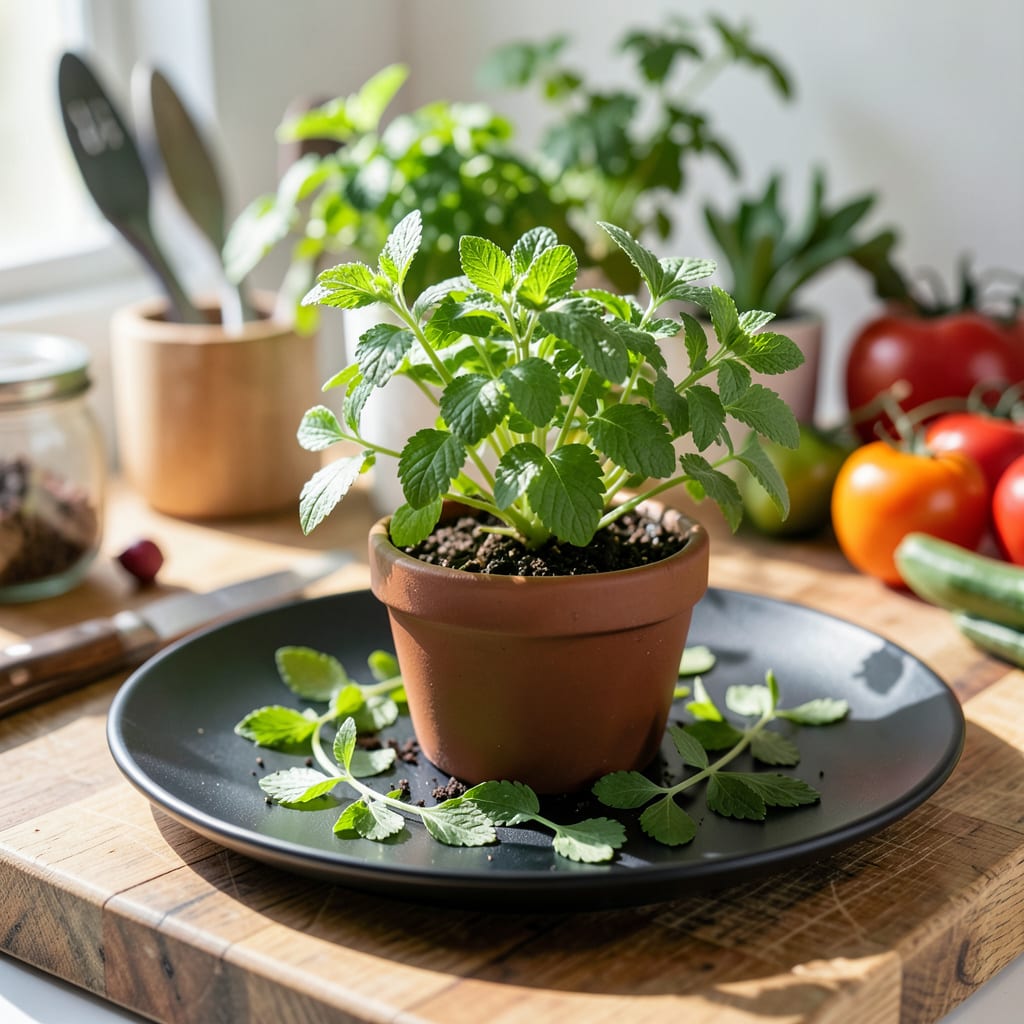
Fertilizing your Indoor Plants 🏠 at the right time can be the key to their healthy growth. Understanding when to provide that extra nutrition makes all the difference in keeping your plants thriving year-round.
In USDA Zone 6, the growing season typically starts in Spring, making it an ideal time to resume fertilizing. I’ll guide you through the best practices for fertilizing your Indoor Plants during different growth stages.

Fertilizing indoor plants is a crucial aspect of their care, as it provides essential nutrients for healthy growth. The timing of fertilization depends on several factors, including the type of plant, its growth stage, and the quality of the soil it’s in. Understanding these factors is key to determining when to fertilize your indoor plants effectively.
The growth stage of your indoor plants plays a significant role in deciding when to fertilize. During the active growing season, which typically spans from spring to early fall, most indoor plants require more frequent fertilization. In contrast, during the dormant winter months, fertilization can be reduced or stopped altogether, as the plants’ growth slows down.
The type of plant you have is another critical factor in determining fertilization frequency. Some plants, like flowering plants, may require more frequent fertilization to support bloom production, while foliage plants might need less. Researching the specific needs of your plant can help you tailor your fertilization schedule accordingly.
Soil quality also affects how often you should fertilize. If your plants are in high-quality potting mixes that contain slow-release fertilizers, you might not need to fertilize as frequently. Conversely, if the soil is depleted or of poor quality, more frequent fertilization may be necessary to support plant health.
Seasonal changes impact indoor plants just as they do outdoor ones. During spring and summer, when plants are actively growing, they benefit from regular fertilization. In fall and winter, as growth slows, reduce or stop fertilizing to allow plants to rest.
By considering these factors and adjusting your fertilization schedule accordingly, you can ensure your indoor plants receive the nutrients they need to thrive throughout the year 🌱.
Different plants have varying fertilization needs. For example, cacti and succulents typically require less frequent fertilization compared to tropical plants like ferns and peace lilies. Understanding the specific needs of your plants is crucial for creating an effective fertilization plan.
Fertilization frequency can also depend on the size of the plant and its growth rate. Larger, faster-growing plants may require more frequent fertilization, while smaller, slower-growing plants may need less. Observing your plants‘ responses to fertilization can help you fine-tune your approach.
The time of day you fertilize can also impact effectiveness. Fertilizing in the morning allows plants to utilize the nutrients throughout the day. Avoid fertilizing in the evening, as this can promote fungal growth due to the moisture and cooler temperatures.
It’s essential to monitor your plants’ responses to fertilization. If you notice signs of over-fertilization, such as burned roots or yellowing leaves, adjust your fertilization schedule accordingly. Conversely, if plants show signs of nutrient deficiency, such as pale leaves or slow growth, you may need to increase fertilization frequency.
By understanding when to fertilize your indoor plants and adjusting your care routine accordingly, you can promote healthy growth and enjoy thriving plants year-round 🌿.
Fertilizing indoor plants requires understanding their growth stages and adjusting your fertilization schedule accordingly. During the active growing season, plants need more nutrients to support their growth 🌱.
In the spring and summer months, most indoor plants are in their active growth phase. This is when they require more frequent fertilization to support their rapid growth and development. A balanced fertilizer with equal NPK ratios is ideal for most plants during this period.
Fertilize your indoor plants every 4-6 weeks during the active growing season for optimal growth.
As the fall season approaches, the growth rate of indoor plants slows down. It’s essential to reduce fertilization during this period to avoid over-fertilizing. A light feed or a fertilizer with a lower NPK ratio can be used to support the plants’ needs.
During the winter months, most indoor plants are dormant, and their growth comes to a near standstill. It’s generally recommended to stop fertilizing during this period, as the plants are not actively growing and don’t require additional nutrients.
Some plants, like flowering plants, may require more frequent fertilization to support bloom production. Others, like cacti and succulents, may need less frequent fertilization due to their slow growth rate 🌵.
It’s crucial to monitor your plants’ responses to fertilization and adjust your schedule accordingly. If you notice signs of over-fertilization, such as burned roots or yellowing leaves, reduce the frequency or amount of fertilizer.
By following these best practices for fertilizing indoor plants at different growth stages, you can promote healthy growth and enjoy thriving plants year-round 🌿.
Fertilizing indoor plants can be tricky, and it’s easy to make mistakes that can harm your plants. One of the most common mistakes is over-fertilizing, which can cause burned roots and yellowing leaves. To avoid this, always follow the instructions on the fertilizer package and start with a dilute solution 🌿.
Over-fertilizing can cause irreversible damage to your plants. Always dilute fertilizers to half the recommended strength for indoor plants.
Another mistake is under-fertilizing, which can lead to nutrient deficiencies and slow growth. To avoid this,
It’s also essential to monitor your plants’ responses to fertilization. If you notice signs of over-fertilization or under-fertilization, adjust your fertilization schedule accordingly. Some plants may require more frequent fertilization, while others may need less 🌻.
By avoiding these common mistakes and following best practices for fertilizing indoor plants, you can promote healthy growth and enjoy thriving plants year-round.
Fertilizing indoor plants is not a one-size-fits-all solution. Different plants have varying needs, and it’s crucial to understand the specific needs of your plants. Research the specific fertilization needs of your plants to create an effective fertilization plan 📚.
By being mindful of these common mistakes and taking steps to avoid them, you can ensure your indoor plants receive the right amount of nutrients to thrive. Happy fertilizing! 🌸
Fertilize your indoor plants every 4-6 weeks during the active growing season (spring to early fall) for optimal growth. This frequency supports their rapid growth and development. Use a balanced fertilizer with equal NPK ratios for best results.
Most indoor plants are dormant during winter, so it’s generally recommended to stop fertilizing during this period. Fertilizing dormant plants can cause unnecessary stress and potentially harm them. Resume fertilizing in spring when plants start growing again.
A balanced fertilizer with equal NPK ratios (e.g., 20-20-20) is ideal for most indoor plants. This type of fertilizer provides essential nutrients for healthy growth and development. Avoid using fertilizers with high nitrogen levels, as they can promote weak and leggy growth.
Signs of over-fertilization include burned roots, yellowing leaves, and slow growth. If you notice these symptoms, reduce the frequency or amount of fertilizer. Always follow the instructions on the fertilizer package and start with a dilute solution to avoid over-fertilizing.
