
Beautiful Plants For Your Interior
Beautiful Plants For Your Interior
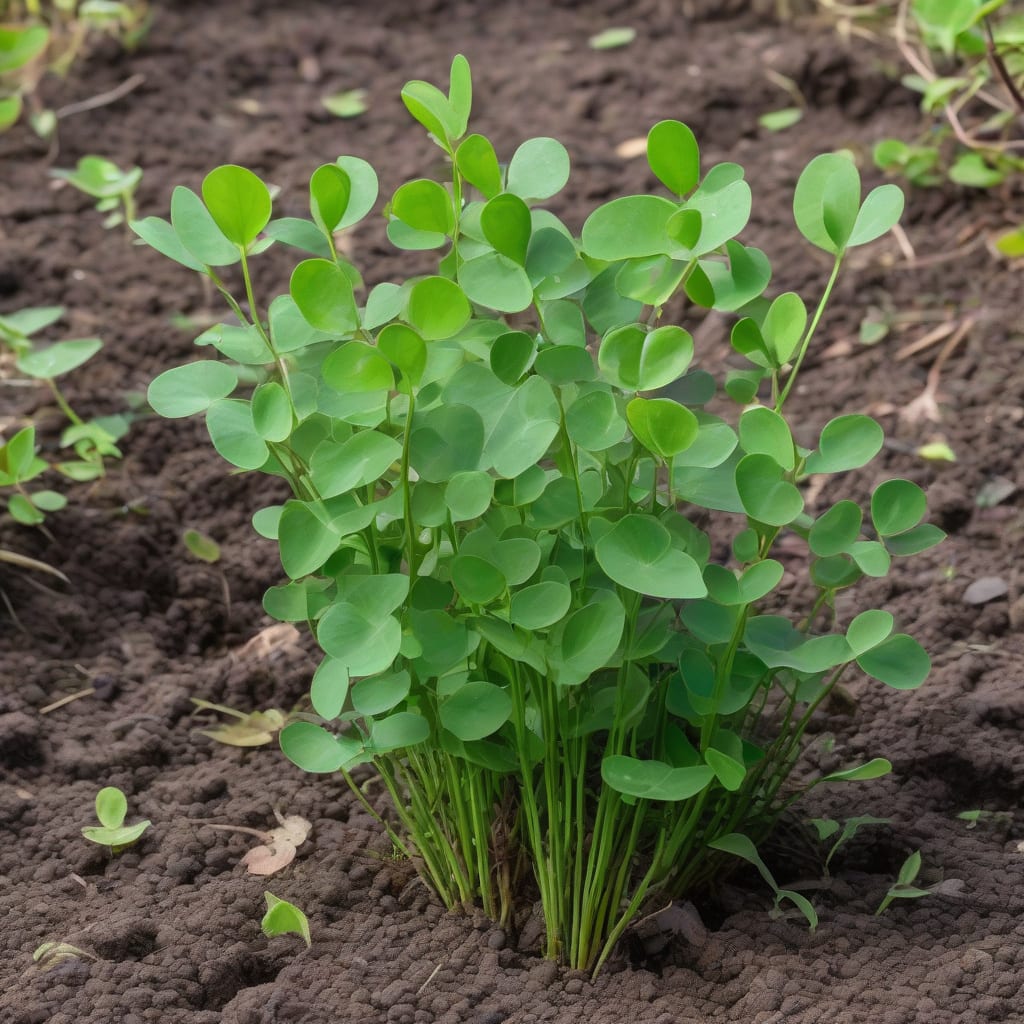
As I step into my garden in early spring 🌱, I’m always excited to see my lentil plants start to grow. Lentils are a great crop for home gardeners, and understanding their growth habits is key to a successful harvest.
Lentil plants typically grow between 1-3 feet tall, making them a great choice for small gardens in USDA Zone 6. With proper care, they’ll thrive and provide a bountiful harvest in the summer months.


Lentil plants are known for their relatively compact growth habit, typically reaching heights between 1-3 feet. This height range makes them suitable for various garden settings, from small containers to larger field plantings. The exact height can vary based on factors such as soil quality, moisture levels, and specific cultivar characteristics 🌿.
The growth habit of lentil plants is influenced by their genetic makeup and environmental conditions. Generally, lentils are considered small to medium-sized plants, with some varieties growing more vigorously than others. Understanding these growth patterns is essential for optimizing garden layout and providing appropriate support 🔝.
Lentil plants generally have a uniform growth pattern, making them easier to manage in garden settings. The height variations are usually influenced by specific growing conditions such as soil fertility and moisture availability. Gardeners can optimize these factors to achieve the desired plant height 🌟.
The average height of lentil plants is around 2 feet, which is considered ideal for most gardening purposes. This height allows for easy harvesting and maintenance while maximizing space utilization in the garden.
Different factors can influence the height of lentil plants, including variety selection, growing conditions, and cultural practices. Understanding these factors helps gardeners make informed decisions about plant care and garden management 🌱.
Some lentil varieties are bred to be more compact, while others may have a more vigorous growth habit. This variation allows gardeners to choose the best type for their specific needs and growing conditions.
Lentil plants typically do not require extensive support due to their relatively short stature. However, providing some form of support can help prevent lodging, especially in areas with strong winds or heavy rainfall 🌟.
By understanding the factors that influence lentil plant height, gardeners can better manage their crops and optimize growing conditions for maximum yield and plant health.
The compact nature of lentil plants makes them an excellent choice for intercropping or succession planting in gardens. Their relatively short height allows for efficient use of garden space 🌼.
Overall, lentil plants are a versatile and valuable addition to many garden types, offering both nutritional benefits and aesthetic appeal through their compact growth habit.
When growing lentil plants, it’s essential to provide them with the right support as they reach their full height of 1-3 feet. While lentils are generally compact, they can benefit from structural support to prevent lodging, especially in areas with strong winds or heavy rainfall 🌿.
One effective way to support lentil plants is by using stakes or trellises. These provide the necessary structure for the plants to grow upright, keeping them off the ground and reducing the risk of disease and pest damage 🔝.
Use twine or soft ties to gently secure lentil plants to their supports, being careful not to damage the stems or restrict growth.
In addition to physical support, maintaining optimal growing conditions is crucial for healthy lentil plant growth. This includes ensuring adequate sunlight, consistent moisture, and proper soil fertility 🌟.
Lentil plants require full sun to produce a bountiful harvest, so choose a location that receives at least 6 hours of direct sunlight per day. Consistent moisture is also vital, especially during the flowering and podding stages 💧.
To optimize soil fertility, consider incorporating organic matter such as compost or well-rotted manure into the soil before planting. This will help provide the necessary nutrients for healthy plant growth and maximize yield 🌱.
By providing the right support and maintaining optimal growing conditions, you can help your lentil plants reach their full potential and enjoy a successful harvest 🌼.
Regular monitoring of your lentil plants is also important to identify any potential issues early on. Keep an eye out for signs of stress, disease, or pests, and take action promptly to address any problems that arise 🔍.
With proper care and attention, lentil plants can thrive and provide a nutritious and delicious addition to your garden harvest.
To maximize yield in lentil plants, understanding their height management is crucial. Lentil plants typically grow between 1-3 feet tall, and proper management can significantly impact their productivity 🌿.
Plant lentils at a density of 1-2 inches apart to prevent overcrowding, which can lead to lodging and reduced yields.
Use stakes or trellises to support lentil plants, especially in windy conditions or when growing taller varieties 🔝.
Prune lentil plants to maintain a uniform height and promote air circulation, reducing the risk of disease 🌟.
By implementing these height management techniques, gardeners can significantly improve lentil yields. Proper spacing, support, and pruning help maintain plant health and maximize productivity 🌱.
Regular monitoring of lentil plant height allows for timely interventions. Adjusting support systems and pruning as needed can prevent lodging and ensure optimal growth 🔍.
Effective height management also contributes to better harvest management. Uniform plant height makes it easier to determine the optimal harvest time, resulting in higher quality lentils 🌾.
