
Beautiful Plants For Your Interior
Beautiful Plants For Your Interior
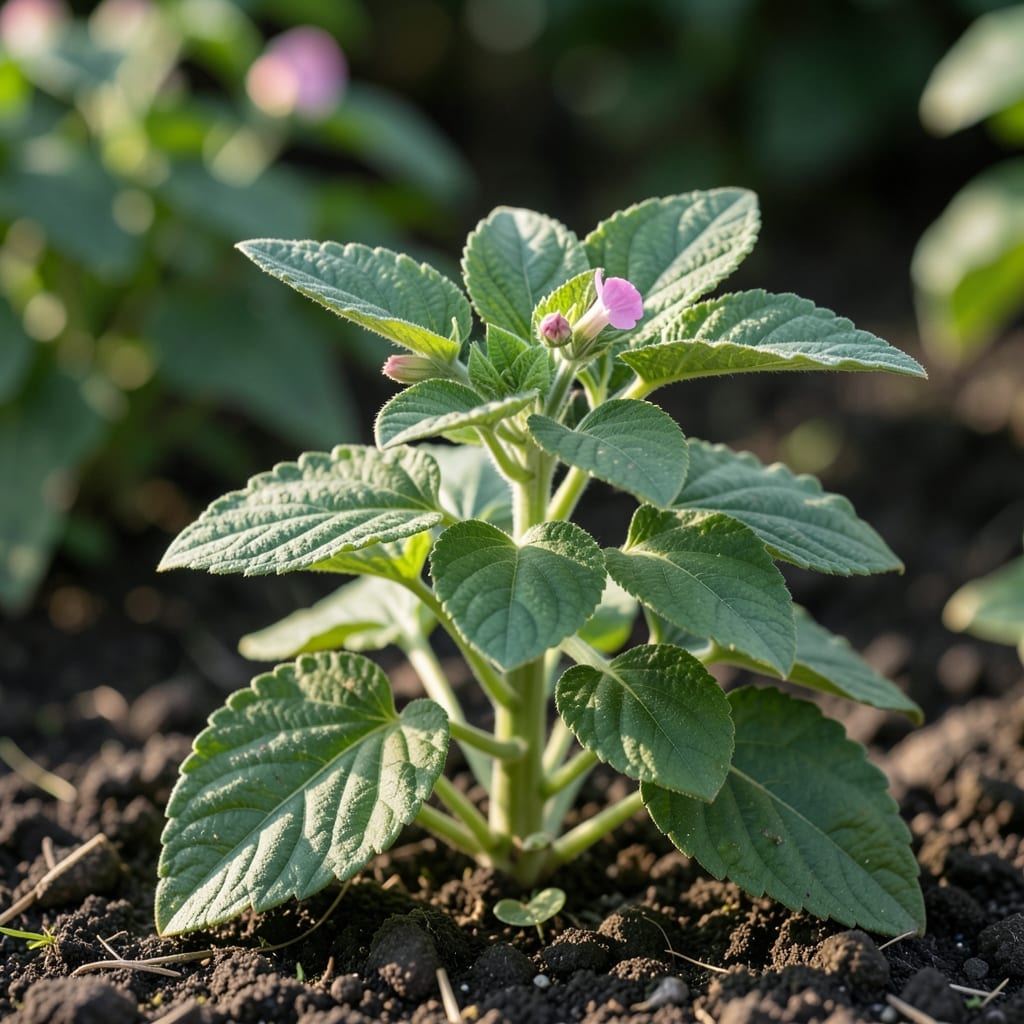
One morning, my impatiens looked sad and bare. No flowers, just green leaves staring back at me. I knew something was off.
Turns out, these plants are divas about their conditions. Too little light, too much water, or the wrong food, and they’ll stop blooming to protest. The fix is usually simpler than you think.
With a few tweaks to their care, you’ll see new buds forming within 7-10 days. The key is checking light levels first—impatiens need shade, but not total darkness.
Pruning back leggy stems encourages fresh growth and more blooms. It’s like hitting the reset button for your plants.
When your impatiens stop blooming, it’s usually a sign of stress or suboptimal growing conditions. Below are the most common culprits, explained with actionable insights to help you diagnose the issue.
Impatiens are heavy feeders, and a lack of phosphorus—the nutrient responsible for flower production—can halt blooming. If your plants are lush but flowerless, they may be getting too much nitrogen (which promotes leaf growth) and not enough phosphorus or potassium. Use a balanced, water-soluble fertilizer (e.g., 10-10-10 or 12-12-12) every 2–3 weeks during the growing season. For a quick fix, switch to a bloom-boosting fertilizer higher in phosphorus (e.g., 7-9-5).
Impatiens thrive in partial shade (4–6 hours of dappled sunlight). Too little light weakens the plant, reducing its ability to produce flowers. Conversely, intense midday sun can scorch leaves and stress the plant, also leading to bud drop. If your impatiens are in deep shade, relocate them to a brighter spot. If they’re in full sun, provide afternoon shade or use a sheer curtain to filter light.
Inconsistent watering—either overwatering or underwatering—disrupts nutrient uptake and flower development. Impatiens prefer moist but well-draining soil. Soggy roots lead to rot, while dry soil causes wilting and bud abortion. Water deeply when the top inch of soil feels dry, and ensure pots have drainage holes. Mulching helps retain moisture without waterlogging.
Without regular pruning, impatiens become leggy, with energy diverted to stem and leaf growth instead of blooms. Pinch back overgrown stems by 1–2 inches every 3–4 weeks to encourage bushier growth and more flower buds. Remove spent blooms (deadheading) to prevent seed formation, which signals the plant to stop producing new flowers.
Impatiens are sensitive to temperature swings. They flourish in 60–75°F (15–24°C) but may stop blooming if exposed to heat above 85°F (29°C) or chill below 50°F (10°C). In hot climates, provide afternoon shade and keep soil moist. In cooler regions, wait until nighttime temperatures stay above 50°F before planting outdoors.
If your impatiens have stopped blooming, don’t worry—there are simple fixes to bring those vibrant flowers back. Below are targeted solutions for the most common causes, along with prevention tips to keep your plants thriving.
Fix: Move your impatiens to a spot with partial shade (4–6 hours of morning sun or dappled light). If they’re in full sun, use shade cloth or relocate them under a tree. For too much shade, shift them to a brighter area but avoid direct afternoon sun.
Prevention: Monitor light conditions as seasons change. Impatiens prefer consistent, indirect light.
Fix: Check soil moisture—it should be moist but not soggy. If the soil is dry, water deeply and mulch to retain moisture. If it’s waterlogged, improve drainage or repot in well-draining soil.
Prevention: Water early in the day to reduce evaporation and fungal risks. Use a moisture meter to avoid guesswork.
Fix: Trim back leggy stems by one-third to encourage new growth and blooms. Remove spent flowers (deadheading) to redirect energy to new buds.
Prevention: Prune regularly—every 2–3 weeks—to maintain shape and promote continuous flowering.
Fix: Apply a balanced, water-soluble fertilizer (10-10-10) every 2–4 weeks. For quick results, use a bloom-boosting formula high in phosphorus.
Prevention: Feed plants throughout the growing season, but avoid over-fertilizing, which can burn roots.
Fix: Inspect leaves for aphids, spider mites, or powdery mildew. Treat with neem oil or insecticidal soap for pests, and remove affected foliage for diseases. Improve air circulation to prevent fungal issues.
Prevention: Space plants properly and avoid overhead watering to keep foliage dry.
💡 Pro Tip: Rotate potting mix annually to prevent soil-borne diseases and replenish nutrients.
Use a balanced fertilizer every 2-3 weeks during growing season. Switch to a bloom-boosting formula with higher phosphorus if flowers are sparse. Over-fertilizing can burn roots, so always follow package instructions.
Yes. While they love shade, deep shade prevents enough light for flower production. Move to partial shade with 4-6 hours of dappled sunlight for best results.
This often means too much nitrogen in your fertilizer. Nitrogen promotes leaf growth at the expense of blooms. Use a fertilizer with balanced or higher phosphorus levels instead.
Deadheading spent blooms prevents seed formation and redirects energy to new flowers. Do this weekly for continuous blooming.