
Beautiful Plants For Your Interior
Beautiful Plants For Your Interior
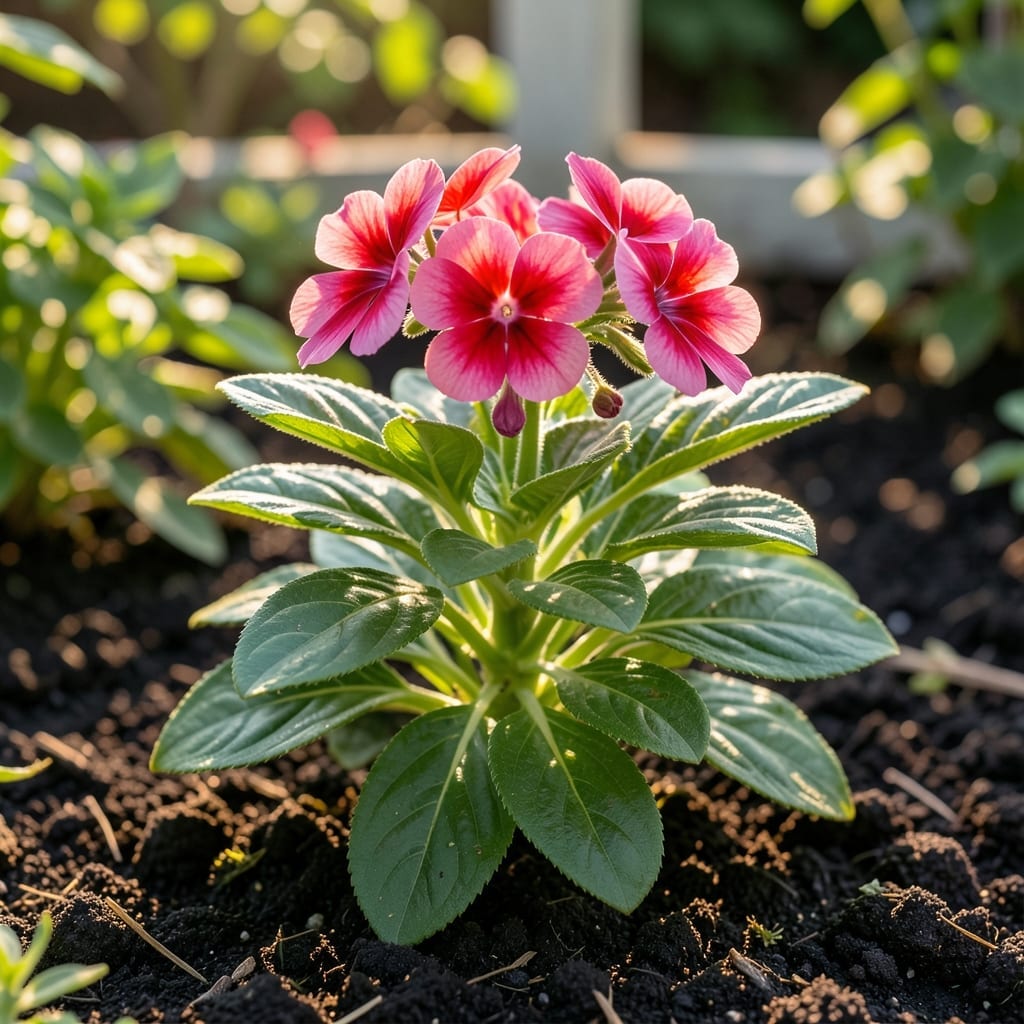
I’ve seen too many gardeners struggle with wilted 🌸 Impatiens when they could be thriving. The confusion around sun versus shade is real, but the solution is simpler than you think.
These vibrant flowers have a clear preference that can transform your garden. Once you understand their ideal light conditions, you’ll see a dramatic difference in their blooms and overall health.
Let me walk you through what works best so you can enjoy lush, colorful Impatiens all season long. The answer might surprise you.
 Best Window Placement
I’ve found that most Impatiens varieties absolutely thrive in partial to full shade. These plants are not fans of harsh, direct sunlight, especially in hotter climates. They prefer the gentle, filtered light that mimics their natural woodland habitats.
In my experience, 2-4 hours of morning sun can work wonders, but they’ll wilt quickly under intense afternoon rays. The key is providing them with consistent, dappled light to keep their blooms vibrant and their foliage lush.
| Requirement | Specification |
| Ideal Light | Partial to Full Shade |
| Max Direct Sun | 2-4 hours (morning) |
| Avoid | Afternoon Sun |
| Best Placement | East-Facing or Under Trees |
When I plant Impatiens, I always choose spots with east-facing exposure or areas under tall trees where they get that perfect balance of light and shade. This setup prevents the scorched leaves and stunted growth that come from too much sun.
If you’re growing them in containers, try placing the pots on a covered patio or a deck with an overhead canopy. This way, they still receive plenty of bright, indirect light without the risk of sunburn.
I’ve noticed that in USDA zones 6-10, Impatiens can handle a bit more sun in the spring and fall when temperatures are milder. But during the peak of summer, even in these zones, they’ll do best with some afternoon shade.
Another trick I use is to pair them with taller plants that provide natural shade. For example, planting them alongside hostas or ferns creates a microclimate that keeps them happy and blooming.
Watch for wilting leaves or faded flowers—these are clear signs your Impatiens are getting too much sun. Moving them to a shadier spot usually revives them within a day or two.
For those with limited shade, consider using shade cloth to filter the light. A 30-50% shade cloth can make a sunny spot much more suitable for these shade-loving plants.
Remember, the goal is to mimic their native environment. In the wild, Impatiens grow on forest floors where they’re protected from direct sunlight by the canopy above. Recreating this in your garden will reward you with abundant, colorful blooms all season long.☀️
I always remind fellow gardeners that consistent moisture goes hand-in-hand with the right light conditions. Impatiens in shade still need well-draining soil to prevent root rot, so don’t let the shade fool you into overwatering.🌿
Not all Impatiens are created equal when it comes to light. Traditional Busy Lizzies prefer full shade and will scorch in direct sun, while New Guinea Impatiens can handle more light, even thriving in partial sun conditions.
I’ve found that New Guinea varieties can tolerate up to 6 hours of sunlight if the soil stays moist. Their thicker leaves make them more sun-resistant than their delicate cousins. Still, they bloom best with some afternoon shade in hotter climates.☀️
| Variety | Light Preference | Max Sun Tolerance |
| Traditional | Full to Partial Shade | 2-4 hours |
| New Guinea | Partial Sun to Shade | 4-6 hours |
| SunPatiens | Full Sun to Partial Shade | 6+ hours |
For container gardening, I recommend New Guinea Impatiens on sunny patios. Just ensure the pots have good drainage and you water daily in extreme heat. Their vibrant colors hold up better than traditional types in brighter spots.
In garden beds, plant traditional Impatiens under trees or along north-facing walls. These spots provide the dappled light they love. Pair them with hostas or ferns for a lush, shaded display.
If you’re in USDA zones 10-11, even traditional Impatiens might handle morning sun year-round. But in cooler zones, stick to shade for best results. Always watch for leaf scorch as your first warning sign.
For the sunniest spots, try SunPatiens—a hybrid bred for full sun. I’ve seen them thrive in 8+ hours of sunlight where other Impatiens would fail. They’re a game-changer for bright gardens.🌿