
Beautiful Plants For Your Interior
Beautiful Plants For Your Interior
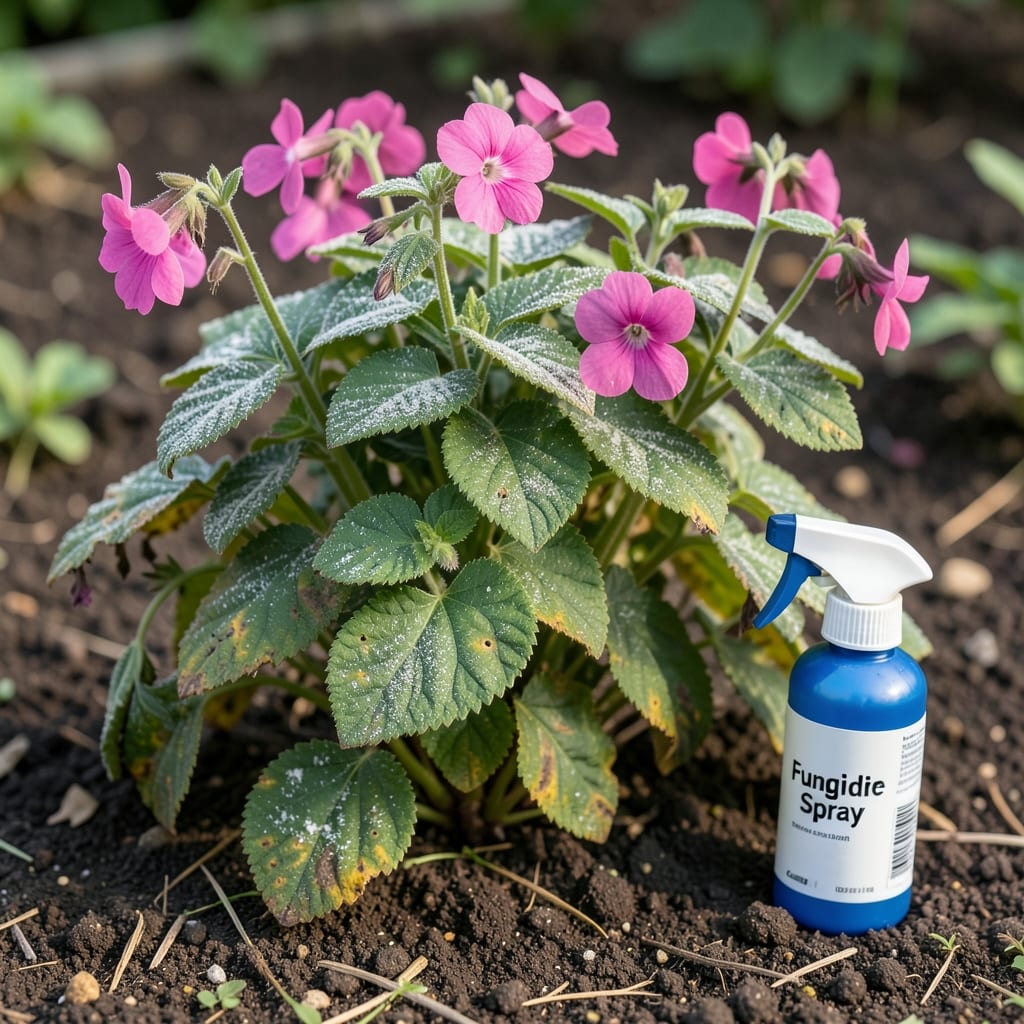
Yellowing leaves or weird spots on your impatiens? I’ve been there. Early action is the difference between saving your plants and watching them fade fast.
Most impatiens diseases show up in the foliage first—black spots, white powder, or sudden wilting. The causes range from too much water to fungal invaders, but the fixes are simpler than you think.
With the right approach, you can stop the spread in a few days and keep your beds looking full and colorful. No fancy tools required, just sharp eyes and quick moves.
This works for garden beds, containers, or hanging baskets. Catching it early means less work and better results.
Understanding why Impatiens plants fall victim to disease starts with recognizing the key triggers. These vibrant flowers are susceptible to several environmental and biological stressors. Below are the primary causes, broken down for clarity and action.
Overwatering or poorly drained soil creates the perfect breeding ground for fungal pathogens like Plasmopara obducens, the culprit behind downy mildew. When roots sit in saturated soil, oxygen deprivation weakens the plant, making it more vulnerable to infection. Action: Ensure pots have drainage holes and use well-draining soil mixes.
Impatiens thrive in humid conditions, but excessive moisture in the air—especially in densely planted beds—encourages fungal spores to spread. Botrytis cinerea (gray mold) and powdery mildew flourish in stagnant, moist air. Action: Space plants at least 12 inches apart and prune regularly to improve airflow.
Aphids, whiteflies, and spider mites not only damage Impatiens directly but also transmit viruses like Impatiens Necrotic Spot Virus (INSV). These pests pierce plant cells, allowing pathogens to enter. Action: Monitor leaves for sticky residue (honeydew) or webbing and treat with insecticidal soap at first signs.
Extreme heat or cold weakens Impatiens, reducing their ability to fend off diseases. Heat stress can lead to wilting, while cold snaps may cause leaf yellowing, both of which invite secondary infections. Action: Provide shade during peak afternoon sun and use mulch to regulate soil temperature.
Fungal and bacterial pathogens (e.g., Pythium or Fusarium) can linger in soil or on unsterilized gardening tools. Reusing contaminated pots or tools spreads disease to healthy plants. Action: Sterilize tools with rubbing alcohol and use fresh, disease-free potting mix for new plantings.
If you notice a white, powdery coating on leaves, act fast. Remove infected leaves and dispose of them in a sealed bag. Then, spray the plant with a neem oil solution (1 tbsp neem oil + 1 tsp dish soap + 1 gallon of water) every 7–10 days until the issue clears. Prevention tip: 💡 Space plants for better airflow and water at the base to keep foliage dry.
Yellowing leaves and mushy stems signal overwatering. Stop watering immediately and let the soil dry out. If the roots are black and smelly, trim the affected parts and repot in fresh, well-draining soil. Use containers with drainage holes to avoid future issues. Prevention tip: 🌡️ Water only when the top inch of soil feels dry.
These pests spread disease and weaken plants. Blast them off with a strong stream of water, then apply insecticidal soap or a mild dish soap solution (1 tsp per quart of water) to leaves. Repeat every 4–5 days until gone. Prevention tip: ✨ Introduce beneficial insects like ladybugs to your garden.
Purple or gray fuzz on leaf undersides? Remove infected plants to prevent spread. Treat remaining impatiens with a copper-based fungicide and avoid overhead watering. Prevention tip: 🎯 Plant disease-resistant varieties like New Guinea impatiens.
Brown or black spots with yellow halos? Prune affected leaves and apply a baking soda spray (1 tsp baking soda + 1 quart water + a few drops of dish soap). Improve air circulation around plants. Prevention tip: 🌿 Clean up fallen debris to reduce fungal spores.
Look for yellowing leaves, black spots, or white powder on foliage. Wilting or stunted growth often appears next. Early detection means easier fixes.
Yes! Soggy soil leads to root rot and invites fungal growth. Always check that the top 1 inch of soil is dry before watering again.
New Guinea impatiens handle humidity better and resist downy mildew. For shady spots, try SunPatiens—they’re bred for disease resistance and vigor.
Inspect leaves weekly for aphids or whiteflies. Use insecticidal soap at first sight and keep plants spaced for airflow. Beneficial insects help too.