
Beautiful Plants For Your Interior
Beautiful Plants For Your Interior
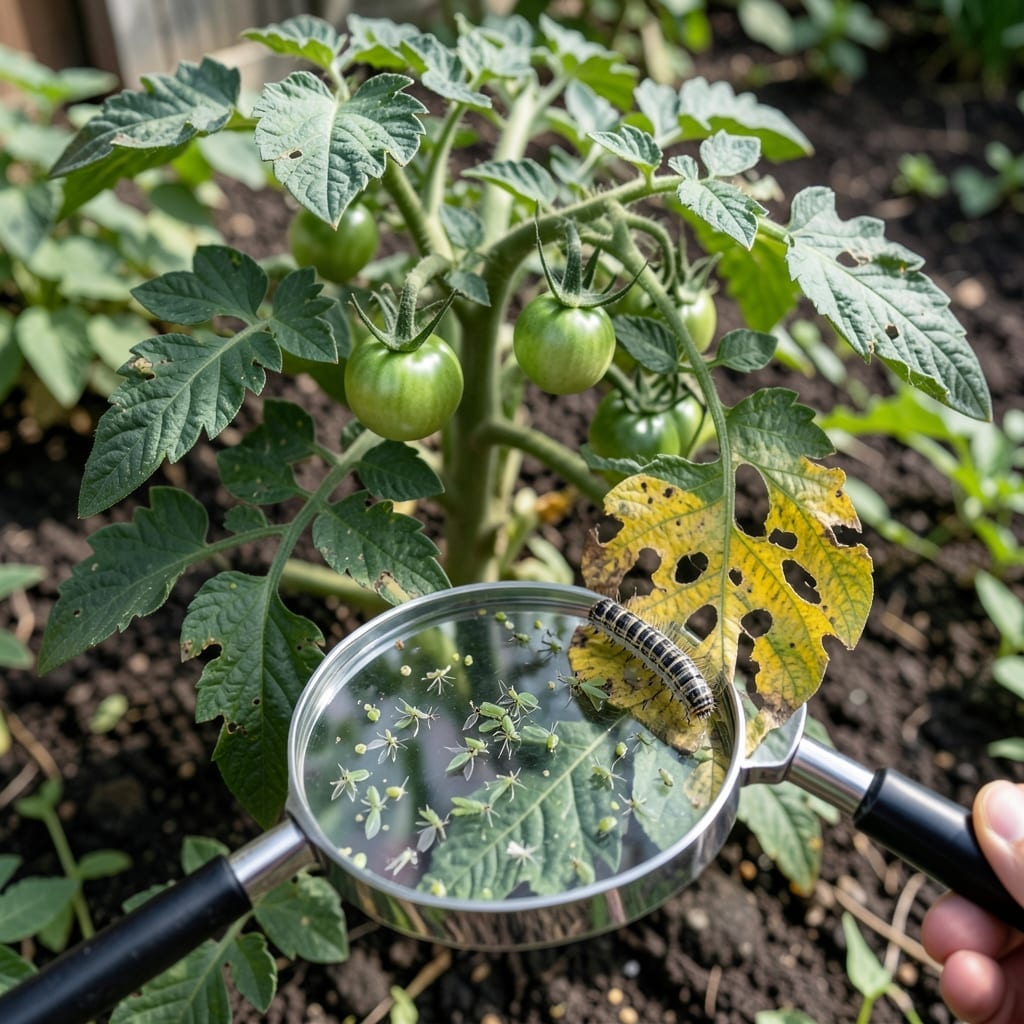
Spotted yellow leaves or sticky residue on your plants? That’s your garden crying for help. I’ve learned the hard way that early pest detection means the difference between a minor annoyance and a full-blown infestation.
Most pests leave calling cards—chewed edges, webbing, or tiny eggs under leaves. The sooner you recognize these signs, the easier it is to stop them in their tracks without harsh chemicals.
You’ll start noticing subtle changes like tiny holes or discolored patches before the problem spirals. A quick inspection with a magnifying glass can reveal the culprits hiding in plain sight.
Works for vegetables, flowers, and houseplants alike. Here’s how to spot them before they take over.
Plant pests don’t just show up at random—they’re drawn to specific conditions and vulnerabilities. Understanding why they appear is the first step to keeping your garden healthy. Below are the most common causes, backed by science and actionable insights.
Weak or stressed plants emit chemical signals that attract pests. Ethylene, a gas released by damaged or dying plants, acts like a dinner bell for insects like aphids and spider mites. Ensure proper watering, nutrition, and pruning to keep plants resilient.
Excess moisture creates a breeding ground for fungus gnats and root rot pathogens, while drought-stressed plants attract sap-sucking pests like whiteflies. Monitor soil moisture with a moisture meter and adjust watering schedules to maintain balance.
Extreme temperatures, humidity fluctuations, or poor air circulation weaken plants, making them more susceptible to infestations. For example, spider mites thrive in hot, dry conditions, while powdery mildew spreads in damp, stagnant air. Use shade cloths, fans, or greenhouses to stabilize conditions.
Monocultures (growing a single plant species) eliminate natural predators, allowing pests to multiply unchecked. Introduce companion plants (e.g., marigolds to repel nematodes) or beneficial insects like ladybugs to restore ecological balance.
Decaying leaves, fallen fruit, or uncleared debris provide food and shelter for pests. Fruit flies, slugs, and rodents are common culprits. Regularly remove plant debris, sanitize tools, and rotate crops to disrupt pest life cycles.
Once you’ve spotted the culprits, act fast with these targeted fixes to save your plants and prevent future infestations. Here’s how to tackle common pests with simple, effective methods.
These tiny green or black bugs cluster on new growth and undersides of leaves. Spray them off with a strong jet of water to dislodge them. For stubborn cases, apply insecticidal soap or neem oil every 5–7 days. Prevention tip: 💡 Encourage ladybugs and lacewings—natural predators that keep aphid populations in check.
Look for webbing and stippled, yellowing leaves. Increase humidity around the plant and wipe leaves with a damp cloth. For severe infestations, use neem oil or a miticide. Prevention tip: 🌡️ Mist plants regularly to deter these moisture-hating pests.
Shake the plant gently—if tiny white flies scatter, you’ve got whiteflies. Set up yellow sticky traps near the plant to catch adults. Prune heavily infested leaves and treat with insecticidal soap. Prevention tip: ✨ Introduce parasitic wasps or keep plants in well-ventilated areas.
Chewed leaves and slime trails are telltale signs. Create a barrier with copper tape or crushed eggshells around pots. Set out a shallow dish of beer at soil level—they’ll drown in it. Prevention tip: 🎯 Handpick them at dusk or dawn when they’re most active.
See tiny black flies hovering around soil? Reduce watering and let the top inch of soil dry out. Use yellow sticky traps to catch adults and beneficial nematodes to target larvae. Prevention tip: 💧 Avoid overwatering and use well-draining soil mixes.
Look for yellowing leaves, tiny holes, or sticky residue on stems. These often appear before you spot the pests themselves. A magnifying glass helps reveal eggs or tiny insects hiding underneath.
Yes! A mix of dish soap and water works well for aphids and whiteflies. For fungus gnats, let the soil dry out between waterings. Always test remedies on a small area first.
Recurring pests often mean poor garden hygiene or environmental stress. Remove plant debris, improve air circulation, and avoid overwatering to break the cycle.
No! Some insects like ladybugs and lacewings are beneficial predators. Only target pests that cause visible damage or rapid decline.