
Beautiful Plants For Your Interior
Beautiful Plants For Your Interior
Fruit flies swarming your garden harvest is enough to make any grower want to quit. I’ve battled these pests for years, and neem oil became my secret weapon—not just for repelling them, but for breaking their life cycle completely. The difference between treated and untreated plants is shocking: one stays clean, the other becomes a […]
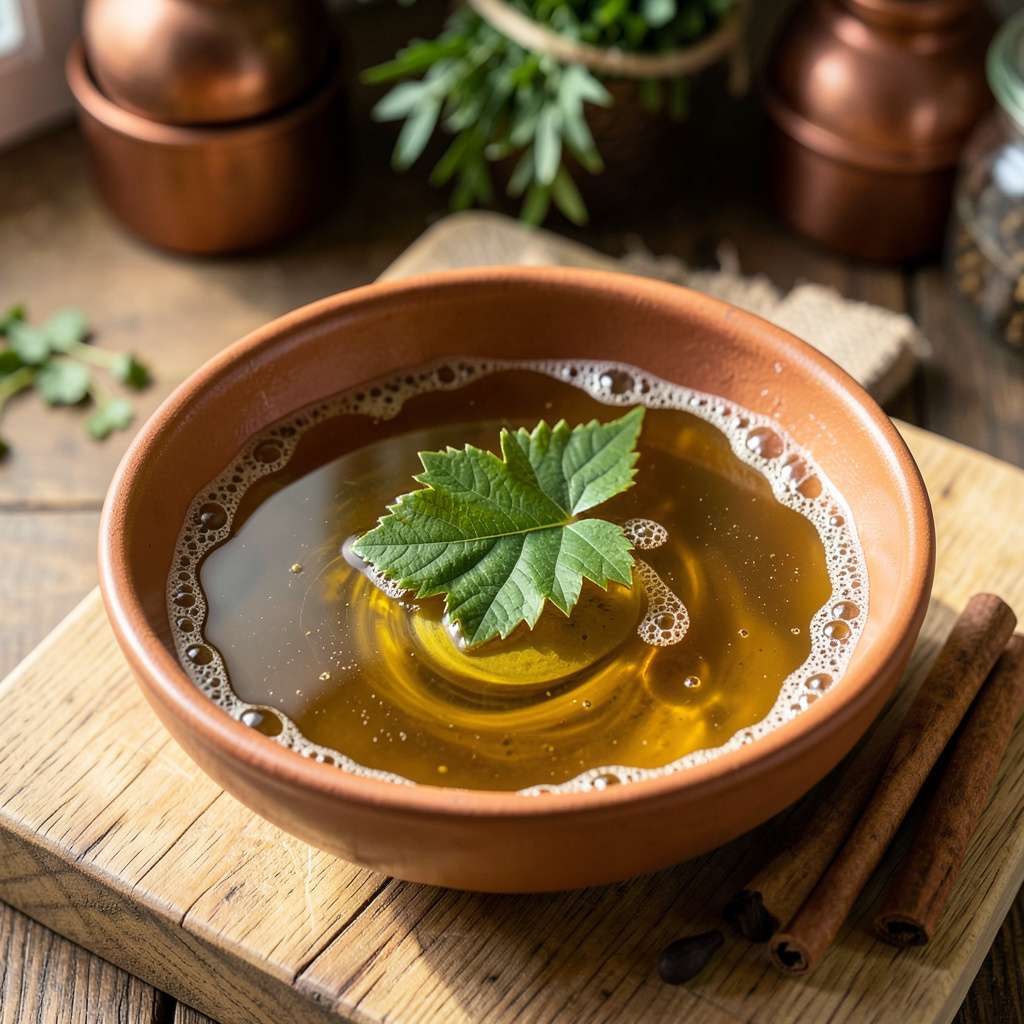
Fruit flies swarming your garden harvest is enough to make any grower want to quit. I’ve battled these pests for years, and neem oil became my secret weapon—not just for repelling them, but for breaking their life cycle completely. The difference between treated and untreated plants is shocking: one stays clean, the other becomes a breeding ground.
Here’s the thing—neem oil doesn’t just mask the problem. It disrupts fruit flies at every stage: eggs, larvae, and adults. A simple spray application creates a protective barrier that lasts for days, and the best part? It’s completely safe for your plants when used correctly. My tomato plants went from infested to fly-free in 48 hours with this method.
You’ll need just three items: cold-pressed neem oil, a spray bottle, and water. The mix takes 2 minutes to prepare, and application is faster than dealing with sticky traps or chemical sprays. I keep a bottle ready all season—once you see how well it works, you’ll never go back to store-bought solutions.
Works for container gardens, raised beds, and even indoor plants where fruit flies love to gather. The key is timing: apply at dusk when flies are less active, and reapply after rain. Let’s put an end to those hovering nuisances for good.
📚 In This Guide
This simple method works overnight to break the fruit fly cycle naturally—no harsh chemicals needed.
Mix 1 teaspoon of pure neem oil with 1 cup of warm water in a small bowl. The warmth helps the oil disperse evenly instead of floating on top. Add 2-3 drops of liquid dish soap—this acts as an emulsifier to blend the oil with water completely.
Stir the mixture gently but thoroughly for about 30 seconds until you see a uniform, slightly cloudy liquid. You’ll notice the oil no longer separates or forms beads on the surface. This solution stays effective for 24 hours, so prepare it fresh each time you set traps.
Pour the neem oil mixture into a shallow container like a small bowl or jar lid. Place it near areas where you’ve spotted fruit flies—common hotspots include kitchen counters, near trash cans, or close to fruit bowls. The flies are drawn to the scent but won’t detect the danger until it’s too late.
For better results, add a small piece of overripe fruit (like a banana peel) to the container. This acts as bait, luring the flies toward the neem oil solution. Position the trap where it won’t be disturbed—fruit flies are skittish and will avoid traps if there’s too much movement nearby.
Leave the trap undisturbed for at least 12 hours, preferably overnight. Neem oil disrupts the fruit flies’ life cycle by suffocating adults and preventing larvae from maturing. You’ll notice fewer flies buzzing around within hours, and by morning, you’ll see some floating in the solution.
Check the trap after 24 hours—you should see a significant reduction in activity. If flies persist, refresh the solution and reposition the trap slightly. Neem oil’s residual effect continues working even after the liquid evaporates, but reapplying every 2-3 days ensures complete elimination.
After 3-4 days, discard the used solution and rinse the container with hot, soapy water. Wipe down nearby surfaces with a damp cloth to remove any lingering fruit fly attractants. Inspect your kitchen for hidden sources like overripe produce, unsealed compost, or damp sponges—these are breeding grounds.
To keep fruit flies from returning, repeat this process weekly or whenever you notice new activity. Store neem oil in a cool, dark place to maintain its potency. A small bottle lasts for months, making this an affordable, long-term solution for fruit fly problems.
After years of battling fruit flies in our own kitchens, we’ve learned that small adjustments make a big difference in how well this natural trap works.
Solution Preparation: When mixing the neem oil solution in Step 1, use water that’s warm but not hot—about the temperature of bathwater. Too hot and you’ll degrade the neem oil’s active compounds, too cold and the oil won’t disperse properly. The 30 seconds of stirring is crucial; you’ll know it’s ready when the liquid turns uniformly cloudy without any oil beads floating on top.
Trap Placement Strategy: For Step 2, position your traps where you’ve actually seen fruit flies congregating. We’ve found the most success placing them within 12 inches of fruit bowls or trash cans. Avoid areas with drafts or direct sunlight, as both can cause the solution to evaporate too quickly before the 12-hour mark.
Overnight Effectiveness: The 12-hour minimum in Step 3 isn’t arbitrary—neem oil needs this time to fully disrupt the fruit flies’ life cycle. We recommend setting traps in the evening when fruit flies are most active. If you check after 12 hours and still see activity, don’t refresh the solution yet; give it the full 24 hours as specified.
Prevention is Key: After the 3-4 day treatment period in Step 4, don’t stop there. We maintain fruit fly-free kitchens by keeping a small neem oil trap (just 1/2 teaspoon oil with 1/2 cup water) in a corner as ongoing prevention. This catches any stragglers before they can multiply.
Neem oil starts disrupting fruit flies within 24–48 hours of contact, but full elimination may take 3–7 days. The oil interferes with their feeding, reproduction, and life cycle. For best results, reapply every 2–3 days until the infestation clears. Patience is key—it’s a natural solution, not an instant chemical kill!
No! Never apply undiluted neem oil directly to edible fruit—it’s bitter and can be toxic if ingested in large amounts. Instead, use it as a trap bait (mixed with apple cider vinegar) or spray around (not on) produce. Wash fruits thoroughly before eating if accidental overspray occurs.
Mix 1 tsp neem oil + 1 tsp dish soap + 1 cup warm water for a spray, or combine 5 drops neem oil + ½ cup apple cider vinegar in a bowl covered with plastic wrap (poke holes for entry). The soap helps emulsify the oil, while vinegar lures flies. Pro tip: Add a drop of honey for extra attraction!
Yes! Try these pet/kid-friendly options:
Neem oil is low-toxicity but can irritate skin/eyes. Keep traps out of reach and ventilate the area.
Common mistakes to fix:
Neem oil is a game-changer for tackling fruit fly infestations—naturally, safely, and effectively! 🌿 By disrupting their life cycle and repelling adults, it offers a chemical-free way to reclaim your kitchen or garden. Plus, its versatility means you can use it in traps, sprays, or even as a preventive measure.
Ready to say goodbye to those pesky flies? Start with a small batch of neem oil traps today and monitor the results. For stubborn infestations, combine it with good sanitation practices—like removing overripe fruit—and enjoy a fruit-fly-free space in no time! 🚫🪰
