
Beautiful Plants For Your Interior
Beautiful Plants For Your Interior
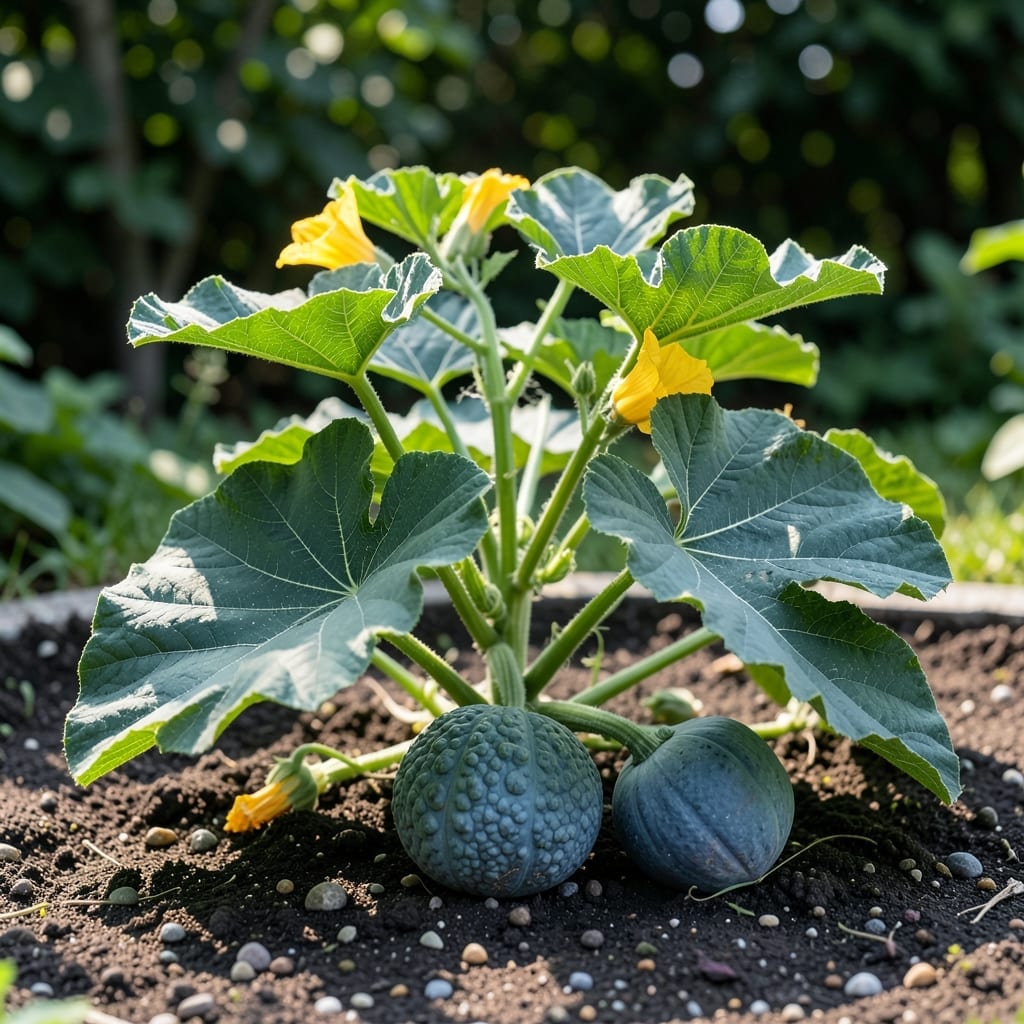
Those giant Hubbard squash leaves tell you everything about the plant’s health. I learned the hard way that yellowing or spotted foliage usually means trouble before it reaches the fruit.
Organic care prevents most issues—consistent watering, proper spacing, and a watchful eye catch problems early. Healthy leaves mean a plant that can focus on producing those massive, sweet squashes instead of fighting pests or disease.
📚 In This Guide
Here’s the method I use to keep squash leaves vibrant and productive all season long.
I check both the upper and lower surfaces of each leaf for yellowing, spots, or sticky residue that indicates pests or disease. Catching issues early prevents them from spreading to the entire plant.
Pay special attention to the oldest leaves first, as they often show problems before newer growth. I use a small hand lens to spot tiny pests like spider mites that are nearly invisible to the naked eye.
Water at the base of the plant in the early morning so leaves have time to dry before evening. Hubbard squash needs 1-2 inches of water per week, more during extreme heat. I use a soaker hose to deliver water directly to the soil.
Wet leaves encourage fungal diseases like powdery mildew, which appears as white, powdery spots. If you must water from above, do it early enough that leaves dry completely within a few hours.
Every 10-14 days, I spray leaves with a neem oil solution (mixed according to package directions) to deter pests and prevent fungal issues. This is especially important during humid weather when fungal spores thrive.
Apply sprays in the evening to avoid burning leaves in the sun. Always test on a small area first to check for sensitivity, and never spray when temperatures exceed 90°F.
Hubbard squash are heavy feeders. I apply a balanced organic fertilizer (like 5-5-5) every 3-4 weeks throughout the growing season. Work it into the soil around the base of the plant, being careful not to disturb the roots.
Yellowing between leaf veins often indicates a nitrogen deficiency, while purple stems or leaf undersides may signal a phosphorus shortage. Adjust your fertilizer mix if you notice these specific symptoms.
At the first sign of disease or severe pest damage, I remove affected leaves with clean pruners, cutting at the base where the leaf stem meets the vine. This prevents problems from spreading and allows the plant to focus energy on healthy growth.
Never remove more than one-third of the plant’s leaves at once, as this can stress the squash. Sterilize your pruners with rubbing alcohol between cuts to avoid transferring diseases between plants.
Small adjustments in your routine can significantly improve the health of your squash plants.
The Inspection Advantage: In Step 1, checking both sides of each leaf weekly is crucial because pests like spider mites often start on the underside. I use a hand lens to catch these nearly invisible troublemakers before they multiply and spread to the entire plant.
Watering Wisdom: For Step 2, that 1-2 inches of water per week should go directly to the soil, not the leaves. A soaker hose works perfectly for this. If you must overhead water, do it early so leaves dry within a few hours—this prevents powdery mildew from taking hold.
Spray Timing: In Step 3, applying neem oil in the evening prevents leaf burn from the sun, and I never spray when temperatures exceed 90°F. This timing also allows the solution to work overnight when pests are most active.
Pruning Precaution: When removing damaged leaves in Step 5, sterilizing pruners between cuts prevents disease transfer. And remember, never remove more than one-third of the leaves at once, as this can shock the plant and reduce its ability to photosynthesize effectively.
Yellow leaves often signal overwatering, nutrient deficiencies (like nitrogen), or pests. Check soil moisture and fertilize with a balanced organic mix. Remove affected leaves to prevent spread.
Prune when leaves are crowded or diseased, typically mid-season. Remove old or damaged leaves to improve airflow and sunlight penetration, boosting plant health and fruit production.
Yes! Young, tender leaves can be cooked like spinach or added to soups. Avoid tough, mature leaves. Always wash thoroughly to remove dirt or pests.
Brown spots may indicate fungal infections (like powdery mildew) or pest damage. Treat with neem oil or organic fungicides, and ensure good air circulation.
Absolutely! Use compost tea, baking soda sprays, or companion planting (e.g., marigolds) to deter pests and diseases naturally.