
Beautiful Plants For Your Interior
Beautiful Plants For Your Interior
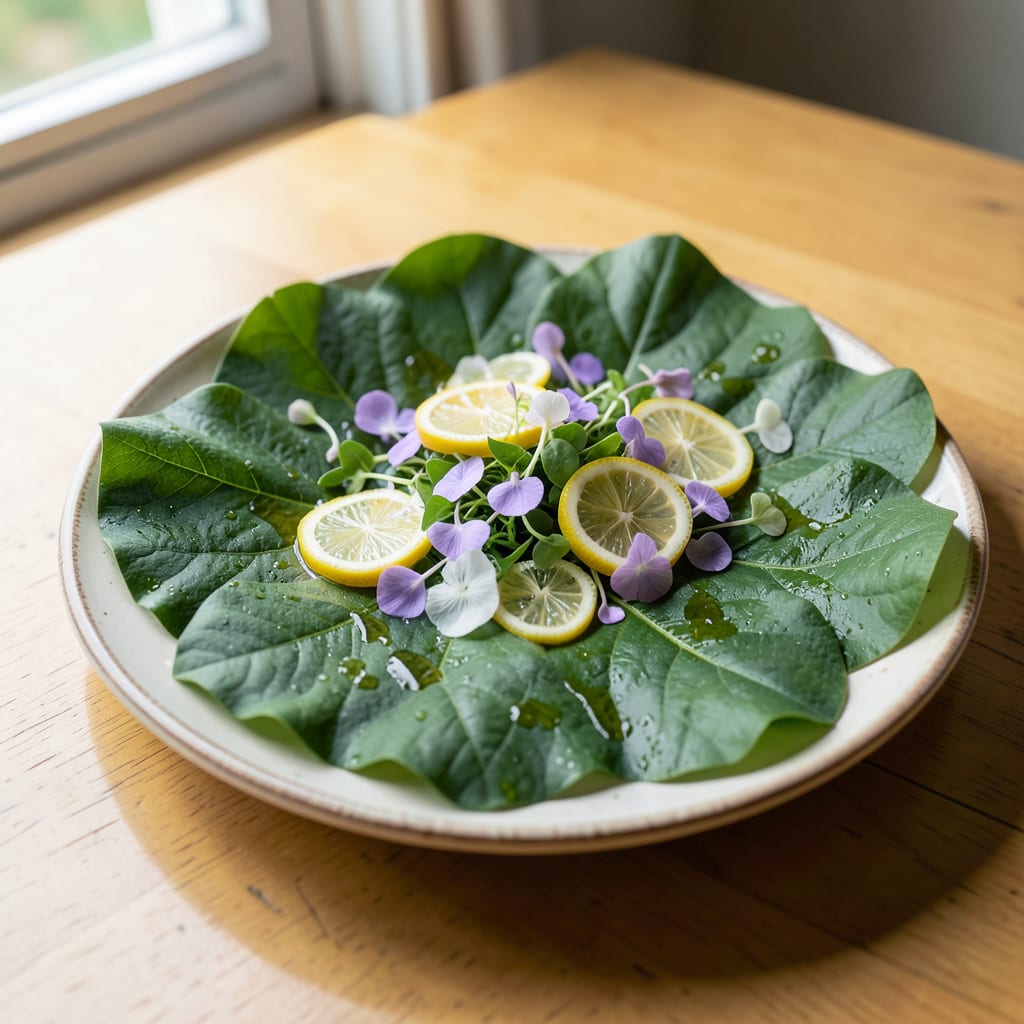
I learned to read morning glory health through its leaves first. Deep green, heart-shaped foliage means your vines are thriving, while pale or spotted leaves signal trouble before it spreads.
These fast growers tell you exactly what they need. Watch for curling edges (too dry) or yellowing (too wet). A weekly leaf check catches issues early, keeping your morning glories vigorous all season long.
📚 In This Guide
Here’s how I track leaf health to ensure vigorous vines and abundant blooms.
Check emerging leaves at the tips of vines each morning. Healthy new growth should be a vibrant green with firm texture. If you notice pale or yellowing edges, your plant likely needs more nitrogen to support leaf development.
I run my fingers gently along new stems to feel for firmness. Soft or mushy growth signals overwatering, while brittle stems indicate underwatering. This daily check takes 2-3 minutes but catches problems before they spread.
Mature leaves should maintain a deep green color with consistent veining. If you see mottled patterns or yellow spots between veins, suspect a magnesium deficiency. Morning glories often show this first on older leaves before it spreads upward.
Hold leaves up to the light occasionally. Healthy leaves will show a uniform translucency, while diseased leaves may have dark spots or holes. I’ve found that checking 3-4 leaves per vine gives a good overall picture of plant health.
Compare new leaves to older ones on the same vine. Healthy morning glory leaves grow progressively larger until reaching their mature size of 2-4 inches across. If new leaves stay small, check for root restriction or nutrient deficiencies.
Watch for curled edges or cupped shapes, which often indicate stress from wind, cold, or pest pressure. I adjust my care immediately when I see these signs—usually by moving pots to a more sheltered location or checking for spider mites on leaf undersides.
Leaves should face upward and spread open to catch full sun. If leaves appear to be folding inward or growing at odd angles, your plant may be getting too much direct afternoon sun. Morning glories thrive with morning sun and afternoon shade in hotter climates.
In insufficient light, leaves grow larger than normal but thinner, with longer spaces between them on the vine. This condition, called etiolation, results in weak growth. I rotate my containers weekly to ensure even light distribution and prevent lopsided growth.
Leaves will tell you exactly when to water. When the top 1 inch of soil feels dry, healthy leaves may show slight wilting in the heat of the day but should perk up by morning. If they remain wilted overnight, it’s time to water deeply.
Overwatered leaves often develop soft brown edges or yellowing between veins. I water my morning glories when I see the first sign of afternoon droop, usually every 2-3 days in hot weather. The key is consistent moisture without soggy soil.
Small daily habits make a big difference in keeping your plants thriving.
Daily Check Efficiency: That 2-3 minute morning inspection in Step 1 is your best defense against problems. I do mine with my first coffee—it’s quick and becomes second nature. The key is consistency; skipping even a day can let issues spread.
Leaf Selection Strategy: In Step 2, don’t just glance at the newest leaves. I focus on 3-4 leaves per vine as mentioned, choosing a mix of old and new growth. This gives you the full picture, since different leaves often show different stress signals.
Size and Shape Clues: Step 3 mentions that healthy leaves reach 2-4 inches across. If yours stay smaller, don’t just assume it’s a nutrient issue—check your pot size first. Morning glories hate crowded roots, and that’s an easy fix with a larger container.
Watering Timing: The 2-3 day watering cycle in Step 5 is a guideline, not a rule. I adjust based on the weather and soil moisture. If it’s been raining, I might skip a day. If it’s scorching, I’ll check the soil more often. The leaves will tell you what they need.
Yellow leaves often signal overwatering, poor drainage, or nutrient deficiencies. Check soil moisture and ensure pots have drainage holes. A balanced fertilizer can help restore vibrancy.
Prune in early spring or after flowering to encourage bushier growth. Avoid heavy pruning during active blooming, as it may reduce flower production.
No, most morning glory varieties contain toxic compounds. Only Ipomoea aquatica (water spinach) is edible. Always confirm the species before consuming.
Holes are often caused by pests like Japanese beetles or caterpillars. Use neem oil or insecticidal soap for organic control, and remove affected leaves promptly.
