
Beautiful Plants For Your Interior
Beautiful Plants For Your Interior
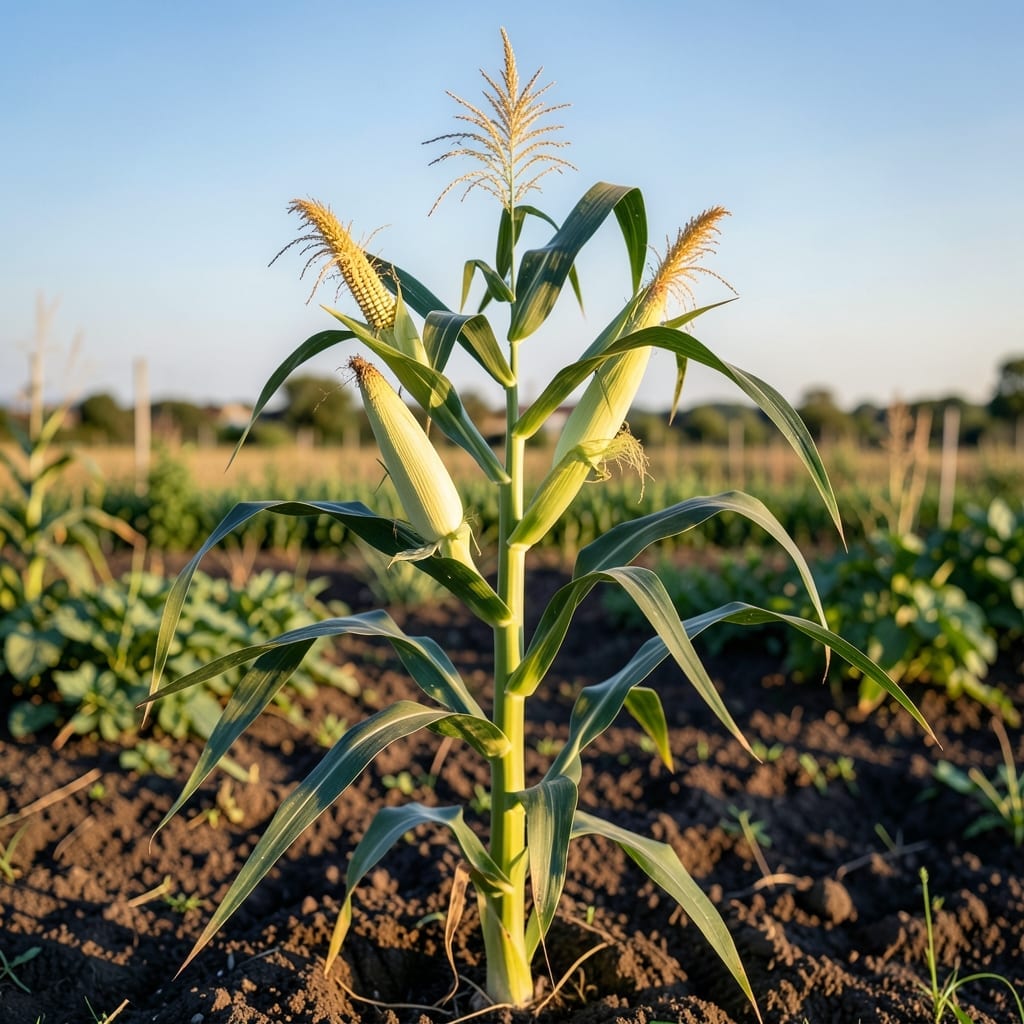
Yellowing leaves and drooping stalks don’t mean it’s over. I’ve brought back corn plants that looked beyond hope with a few targeted fixes—usually in under 48 hours.
Most issues come down to water, nutrients, or pests. Too much or too little of any of these and your plant starts protesting fast. The good news? Corn responds quickly once you address the root cause.
You’ll see improvement within days when you adjust your approach. The leaves perk up, color returns, and new growth starts pushing through. It’s shocking how fast they bounce back.
Works for field corn, sweet corn, or even potted varieties. The same principles apply whether you’re growing one stalk or a whole patch.
A dying corn plant rarely fails because of one issue alone. Instead, a chain of environmental stresses, pests, or cultural missteps slowly weakens the plant until it collapses. Below are the most common causes, each tied to a clear botanical mechanism.
Corn (Zea mays) thrives between 75–86°F (24–30°C). When soil or air temperatures drop below 50°F (10°C) or spike above 95°F (35°C), the plant’s metabolic enzymes stall. Cold shock halts phosphorus uptake, turning leaves purple from phosphate deficiency. Heat shock accelerates transpiration, causing leaf margins to brown and curl as stomata close to retain moisture.
Overwatering drowns root hairs, cutting off oxygen and promoting Pythium or Fusarium root rot. Underwatering, on the other hand, forces the plant to prioritize deep root growth at the expense of aboveground biomass, leading to stunted, yellowing leaves. Corn needs 1–1.5 inches (2.5–3.8 cm) of water per week, including rainfall, with consistent moisture during tasseling and silking.
Nitrogen deficiency appears as V-shaped yellowing on lower leaves, while phosphorus scarcity turns edges dark purple. Potassium shortages cause yellowing leaf margins with brown scorching. A soil test is the only way to confirm which nutrient is lacking; guessing often leads to over-application of one element, which can lock out others.
Reviving a dying corn plant starts with identifying the root cause and applying the right fix. Here’s how to tackle the most common issues:
Fix: Stop watering immediately and let the soil dry out. If the roots are waterlogged, gently remove the plant, trim any black or mushy roots, and repot it in fresh, well-draining soil. Use a pot with drainage holes to prevent future issues.
Prevention tip: 💡 Water only when the top inch of soil feels dry, and ensure excess water can escape.
Fix: Move your corn plant to a sunnier spot where it gets at least 6–8 hours of direct sunlight daily. If indoors, place it near a south-facing window or use a grow light.
Prevention tip: ✨ Rotate the pot weekly to ensure even light distribution and prevent leaning.
Fix: Inspect leaves and stems for pests like aphids or spider mites. Wipe them off with a damp cloth or spray with a mild solution of water and neem oil. For severe cases, use an insecticidal soap.
Prevention tip: 🎯 Keep the area clean and check plants regularly for early signs of pests.
Fix: Corn plants thrive in temperatures between 60–85°F (15–29°C). If exposed to cold drafts or extreme heat, move it to a stable environment. Use a heat mat in colder climates if needed.
Prevention tip: 🌡️ Avoid placing plants near air conditioners, heaters, or drafty windows.
Fix: Yellowing leaves often signal a lack of nitrogen or other nutrients. Apply a balanced, water-soluble fertilizer every 2–4 weeks during the growing season. For organic options, use compost or worm castings.
Prevention tip: 📊 Test soil periodically and adjust fertilizer types based on deficiency signs (e.g., pale leaves = nitrogen).
Water when the top 1 inch of soil feels dry, but avoid overwatering. Corn needs 1–1.5 inches per week, including rainfall. Adjust based on weather and soil drainage.
Yellowing leaves, mushy stems, and soil that stays soggy are red flags. Roots may turn black or smell foul. Stop watering immediately if you notice these.
Trim dead leaves to redirect energy to healthy growth. Check for underwatering or heat stress, then adjust care. New leaves should appear within 7–10 days if conditions improve.
Wait until the plant shows new growth. Use a balanced fertilizer every 2–4 weeks during the growing season. Avoid fertilizing stressed plants—it can burn roots.