
Beautiful Plants For Your Interior
Beautiful Plants For Your Interior
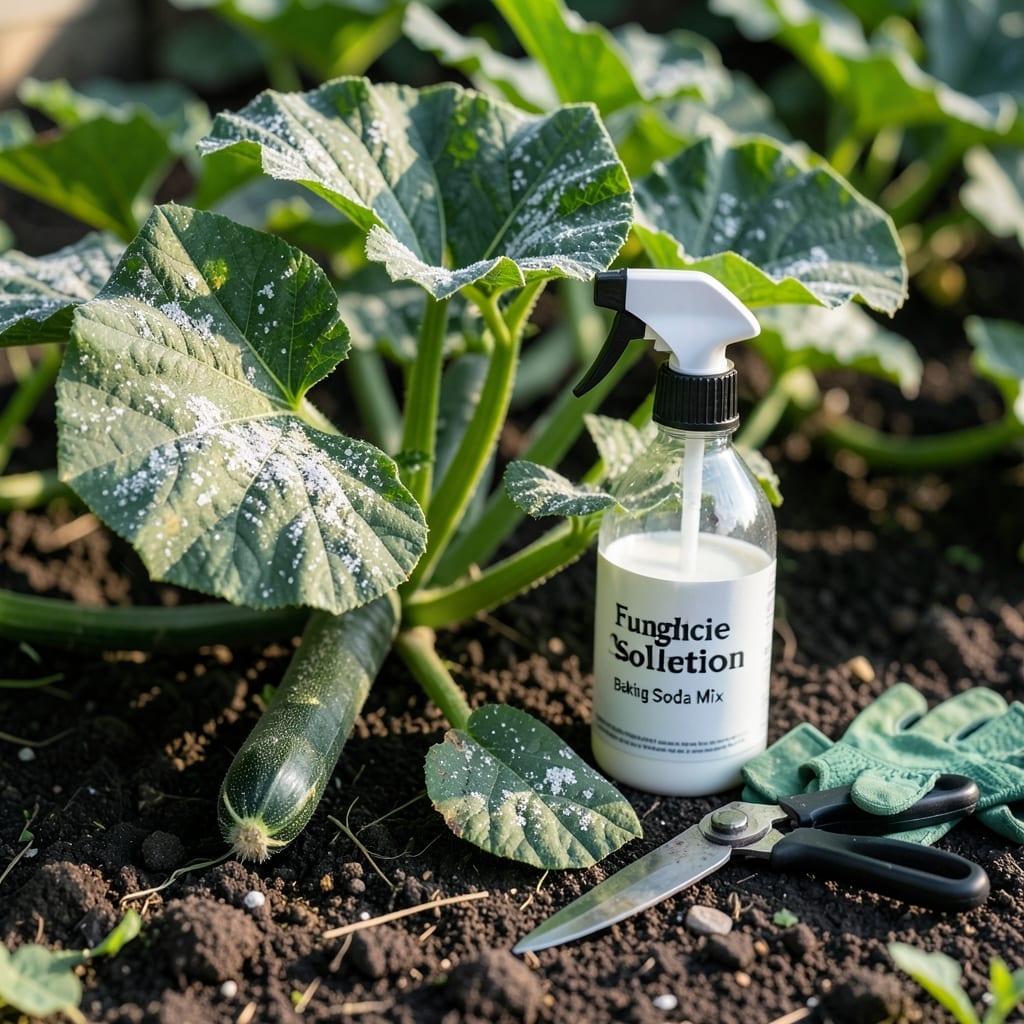
White powdery spots on your leaves mean trouble. I’ve watched mildew spread overnight, turning healthy plants into struggling survivors in just days.
The culprit is usually too much moisture and not enough air movement. Most gardeners don’t realize their watering habits are feeding the problem. A simple adjustment in routine can stop mildew before it starts.
Natural solutions work surprisingly well. I’ve saved countless plants with items from my pantry, avoiding harsh chemicals entirely. The key is acting at the first sign of trouble.
Prevention beats treatment every time. With the right care, your plants stay vibrant and mildew-free all season long.
Mildew on plants is rarely a random event—it’s the result of specific environmental and biological triggers. Understanding these causes helps you tackle the root of the problem, not just the symptoms. Below are the most common culprits behind mildew outbreaks in your garden or indoor plants.
Mildew thrives in damp conditions. Overwatering, poor soil drainage, or high humidity creates the perfect breeding ground for fungal spores. When water sits on leaves or soil for extended periods, it encourages Oidium or Peronospora fungi—the primary pathogens behind powdery and downy mildew—to germinate and spread. Actionable tip: Ensure pots have drainage holes and avoid overhead watering to keep foliage dry.
Stagnant air traps moisture around plants, accelerating mildew growth. This is especially common in dense plantings, greenhouses, or indoor setups with little ventilation. Fungal spores disperse easily in still air, landing on nearby leaves and multiplying. Actionable tip: Space plants adequately, prune overcrowded areas, or use a small fan to improve airflow.
Mildew favors moderate temperatures (60–80°F) and low light. Shady outdoor spots or dim indoor corners can weaken plant defenses, making them more susceptible. While mildew can appear in hot weather, it’s the combination of warmth, moisture, and poor light that fuels rapid infestations. Actionable tip: Move potted plants to sunnier spots and thin out garden canopies to increase light penetration.
Some plants are genetically more prone to mildew. Roses, cucumbers, zucchini, and phlox are notorious for attracting powdery mildew, while downy mildew often targets grapes and lettuce. Even healthy plants can fall victim if their natural resistance is overwhelmed by environmental stressors. Actionable tip: Opt for mildew-resistant varieties (e.g., ‘Knock Out’ roses) or treat high-risk plants preventatively with neem oil.
Mildew on plants is frustrating, but these targeted solutions will help you tackle the issue at its root and restore your greenery to health. Below, we break down fixes by cause, along with prevention tips to keep mildew from returning. 🌿✨
If soggy soil is to blame, let the top inch of soil dry out before watering again. Switch to a pot with drainage holes if yours lacks them, and use a well-draining potting mix. Water at the base of the plant—never overhead—to keep leaves dry. Prevention tip: Stick your finger in the soil to check moisture before watering. 💡
Mildew thrives in stagnant, humid air. Space plants apart to allow airflow, and run a small fan nearby on low for a few hours daily. For indoor plants, consider a dehumidifier if humidity stays above 60%. Prevention tip: Prune dense foliage to reduce trapped moisture. 🌬️
Plants in shady, cramped spots are mildew magnets. Move them to brighter, airier locations (but avoid direct scorching sun). If crowding is the issue, thin out plants or repot to give them room. Prevention tip: Rotate potted plants weekly for even light exposure. ☀️
For active outbreaks, mix 1 tablespoon baking soda + 1 quart water + a few drops of dish soap. Spray lightly on affected leaves (test a small area first). Alternatively, use neem oil (1 tablespoon per gallon of water) as a fungicide. Prevention tip: Apply these sprays preventatively every 2–4 weeks during humid seasons. 🌱
Pro tip: Always remove heavily infected leaves or stems immediately and dispose of them in the trash (not compost!) to stop the spread. 🗑️
Yes, a mix of 1 part white vinegar to 3 parts water can help. Spray it on affected leaves weekly, but test a small area first to avoid leaf burn.
For active outbreaks, treat every 5-7 days until it clears. For prevention, apply natural remedies like neem oil every 2-4 weeks in humid conditions.
Fungal spores travel easily through air and water. Isolate infected plants and avoid touching healthy ones after handling affected foliage.
Early morning is ideal. It allows leaves to dry quickly in sunlight, reducing moisture that could worsen the problem. Avoid evening applications.