
Beautiful Plants For Your Interior
Beautiful Plants For Your Interior
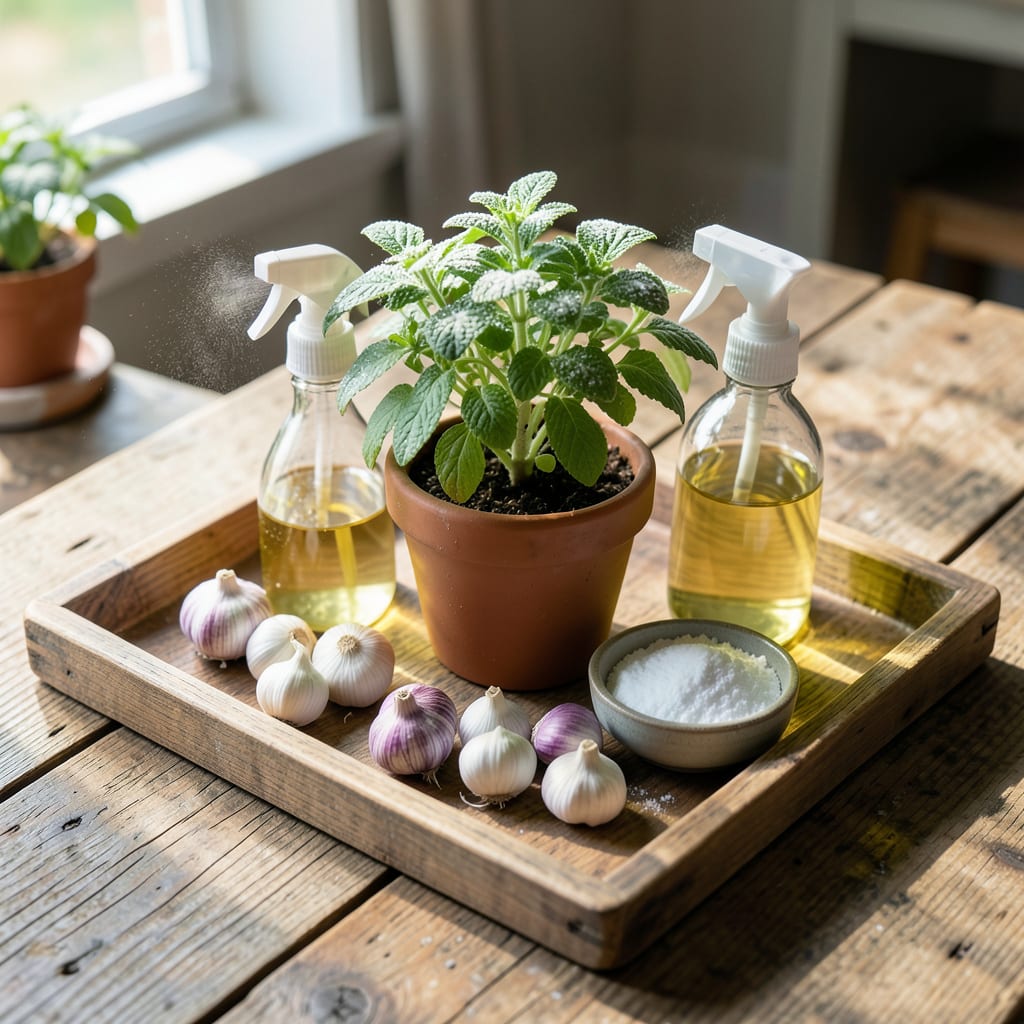
White mildew on your plants looks scary, but I’ve tackled this issue more times than I can count. It starts as a faint white coating on leaves, then spreads fast if ignored.
Here’s the thing—this problem thrives in damp, crowded conditions. I fixed my first outbreak by improving airflow and adjusting watering habits. Simple changes can stop it in its tracks.
You’ll see results within a week with the right treatment. The key is catching it early and using natural solutions that won’t harm your plants or the environment.
Works for indoor and outdoor plants, from houseplants to garden favorites. Let’s clear up that mildew for healthy foliage again.
White mildew, a common fungal disease, thrives under specific environmental conditions. Understanding its root causes helps you prevent and manage outbreaks effectively.
Fungal spores flourish in stagnant, humid air. When relative humidity exceeds 60% and air circulation is limited, moisture lingers on plant surfaces, creating an ideal breeding ground for Oidium and other mildew-causing fungi. Crowded plantings or indoor setups without ventilation exacerbate this issue.
Wetting foliage directly—especially in the evening—leaves water droplets on leaves overnight. This prolonged dampness activates latent spores, leading to white, powdery patches. Drip irrigation or watering at the base avoids this risk.
Some plants, like cucumbers, roses, and squash, are genetically predisposed to mildew. Their leaf structures or waxy coatings may retain moisture longer, while weaker immune responses fail to suppress fungal growth. Always check variety resistance ratings before planting.
Excess nitrogen promotes lush, soft growth that’s more vulnerable to infection. Conversely, potassium and silica deficiencies weaken cell walls, reducing natural defenses. A balanced fertilizer (e.g., 5-10-10) helps maintain plant vigor.
Addressing these factors disrupts the mildew lifecycle, keeping your garden healthy.
White mildew can be stubborn, but these targeted fixes will help you reclaim your plant’s health. Address the root cause first, then apply the right treatment.
Stagnant air traps moisture, creating a perfect breeding ground for mildew. Fix it: Space plants apart to allow airflow, and use a small fan on low to keep air moving. Outdoors, prune dense foliage to open up the canopy. For indoor plants, crack a window or run a ceiling fan.
Prevention tip: 💡 Avoid overcrowding plants—give them room to breathe!
Too much water or damp conditions fuel mildew growth. Fix it: Water only when the top inch of soil is dry, and always water at the base (not the leaves). Use a moisture meter if you’re unsure. For high humidity, a dehumidifier or moisture-absorbing products like silica gel can help.
Prevention tip: 🌡️ Water in the morning so leaves dry quickly in the sunlight.
Mildew spreads fast, so act quickly. Fix it: Prune affected leaves with sterilized scissors and dispose of them in a sealed bag (not compost). For mild cases, spray leaves with a baking soda solution (1 tsp baking soda + 1 quart water + a drop of dish soap). For tougher infestations, use neem oil or a copper fungicide, following label instructions.
Prevention tip: ✨ Regularly inspect plants for early signs of mildew—catch it before it spreads!
Soggy soil suffocates roots and encourages mildew. Fix it: Repot plants in well-draining soil mixed with perlite or sand. Ensure pots have drainage holes, and empty saucers after watering. Raised beds or containers can improve drainage outdoors.
Prevention tip: 🎯 Use a soil mix tailored to your plant’s needs—succulents need gritty soil, while ferns prefer moisture-retentive mixes.
Yes, white mildew is often called powdery mildew. It appears as a white, powdery coating on leaves and stems. It’s a fungal disease that thrives in humid conditions with poor airflow.
Yes, a diluted apple cider vinegar solution (2-3 tbsp per gallon of water) can help. Spray it on affected leaves weekly, but test on a small area first. Avoid using on delicate plants as it may cause leaf burn.
For natural solutions like neem oil or baking soda, apply every 7-10 days until the issue clears. Always apply in the morning so leaves dry quickly. Consistency is key to breaking the fungal lifecycle.
Yes, fungal spores can travel through air and water. Isolate infected plants immediately and avoid overhead watering. Clean tools with rubbing alcohol to prevent spreading to healthy plants.
