
Beautiful Plants For Your Interior
Beautiful Plants For Your Interior
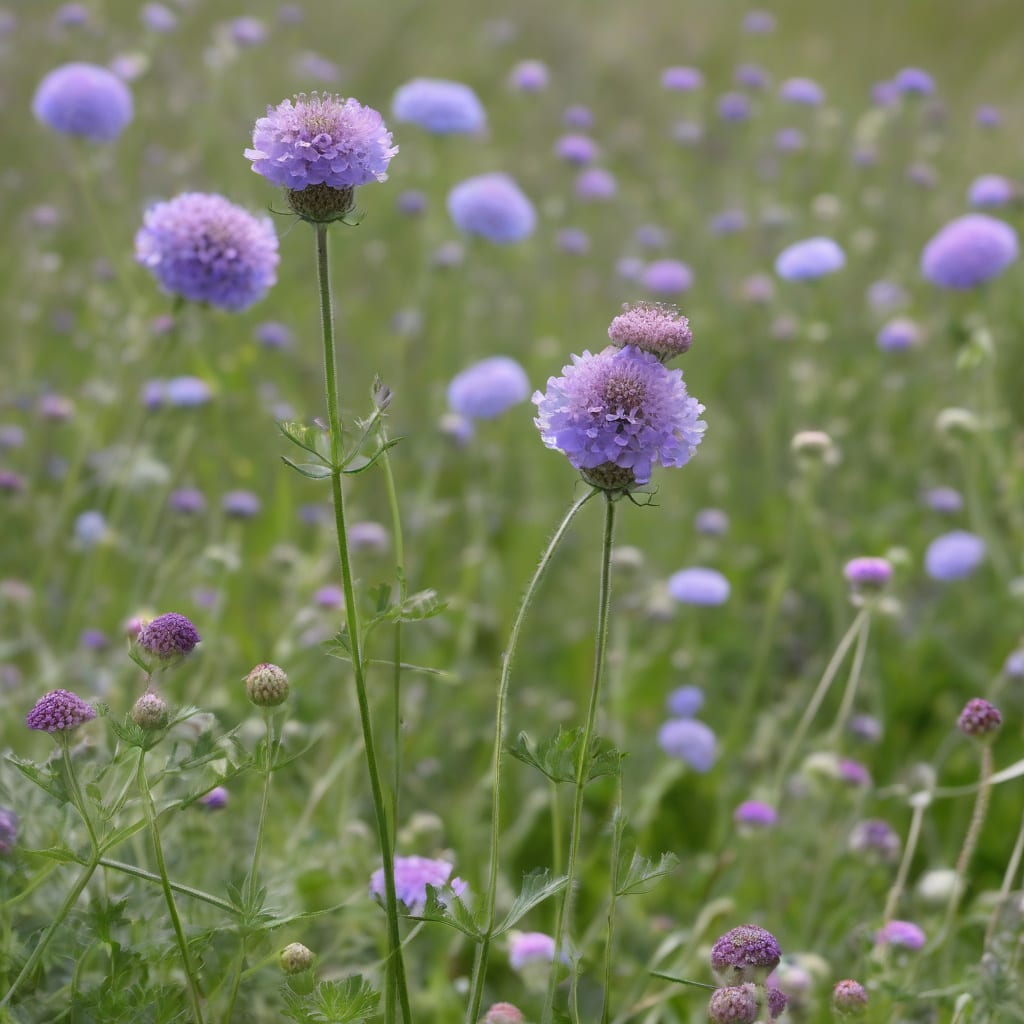
I’ve always been fascinated by Scabiosa 💐, the charming pincushion flower that adds delicate beauty to any garden. Understanding its growth habits is key to perfect placement, and I’m excited to share what I’ve learned.
Scabiosa typically grows between 2-3 feet tall, making it a great addition to borders or containers in USDA Zone 6. Let’s dive into the factors that affect its height and how you can optimize its growth.


I’ve always been fascinated by Scabiosa 💐, the charming pincushion flower that adds delicate beauty to any garden. Understanding its growth habits is key to perfect placement, and I’m excited to share what I’ve learned.
Scabiosa typically grows between 2-3 feet tall, making it a great addition to borders or containers in USDA Zone 6. The height can vary depending on the specific variety and growing conditions.
The height of Scabiosa plants can be influenced by several factors, including soil quality, sunlight, and watering practices. In general, Scabiosa prefers well-draining soil and full sun to partial shade 🌞.
When growing Scabiosa, it’s essential to provide the right conditions to support healthy growth. This includes planting in a location with good air circulation and avoiding overwatering, which can lead to root rot.
The average height of Scabiosa plants is between 2-3 feet, but some varieties can grow taller or shorter depending on the specific growing conditions.
To achieve optimal height, Scabiosa plants require full sun to partial shade and consistent moisture. They also benefit from regular fertilization and pruning to promote healthy growth 🌿.
Scabiosa is a versatile plant that can be used in a variety of garden settings, from formal borders to informal cottage gardens. Its delicate, lacy flowers add a touch of elegance to any garden 💐.
In addition to its attractive flowers, Scabiosa is also a valuable plant for attracting pollinators and other beneficial insects to the garden. Its tall stems and delicate foliage provide a habitat for a range of beneficial insects 🐝.
Overall, Scabiosa is a charming and versatile perennial that can add beauty and interest to any garden. By understanding its growth habits and providing the right conditions, gardeners can enjoy the full benefits of this lovely plant 🌼.
With proper care and attention, Scabiosa can thrive in a variety of garden settings, providing a beautiful display of flowers throughout the growing season 🌻.
By following these tips and guidelines, gardeners can help their Scabiosa plants reach their full height potential and enjoy the many benefits of this lovely perennial 🌿.
I’ve found that understanding the factors that affect Scabiosa height is crucial for gardeners who want to optimize their plant’s growth. The height of Scabiosa plants can be influenced by several key factors, including soil quality, sunlight exposure, and watering practices 🌞.
To help illustrate these factors, let’s look at a summary of the key elements that impact Scabiosa height:
Soil quality, sunlight exposure, and watering practices all play a crucial role in determining the mature height of Scabiosa plants.
First, soil quality plays a significant role in determining Scabiosa height. The plant prefers well-draining soil that is rich in organic matter. Soil that is too dense or prone to waterlogging can lead to root rot and stunted growth 🌿.
Next, sunlight exposure is another critical factor. Scabiosa plants require full sun to partial shade to grow well. While they can tolerate some shade, too much shade can lead to weak and spindly growth ☀️.
Watering practices also impact Scabiosa height. The plant prefers consistent moisture, but overwatering can be detrimental. Gardeners should aim to keep the soil moist but not waterlogged 💧.
In addition to these factors, fertilization and pruning can also influence Scabiosa height. Regular fertilization with a balanced fertilizer can promote healthy growth, while pruning can help control the plant’s height and promote bushy growth 🌻.
By understanding these factors and providing the right conditions, gardeners can help their Scabiosa plants reach their full height potential and enjoy the many benefits of this lovely perennial 🌼.
Overall, Scabiosa is a versatile plant that can thrive in a variety of garden settings. With proper care and attention, it can provide a beautiful display of flowers throughout the growing season 🌻.
I always recommend starting with proper spacing when growing Scabiosa to help it reach its full height potential 🌿.
To maximize Scabiosa growth, gardeners should consider several key factors, including pruning techniques, fertilization schedules, and soil preparation. Let’s explore these factors in more detail.
Prune Scabiosa regularly to promote bushy growth and encourage the plant to reach its full height potential.
First, pruning is essential for promoting healthy growth and maximizing height. Gardeners should prune their Scabiosa plants regularly to encourage bushy growth and prevent the plant from becoming leggy 🌻.
Next, fertilization plays a critical role in supporting Scabiosa growth. A balanced fertilizer applied every 4-6 weeks can provide the necessary nutrients for optimal growth 🌿.
Soil preparation is also vital for maximizing Scabiosa growth. Gardeners should ensure the soil is well-draining and rich in organic matter to support healthy root development 🌞.
By following these tips and providing the right conditions, gardeners can help their Scabiosa plants reach their full height potential and enjoy the many benefits of this lovely perennial 💐.
